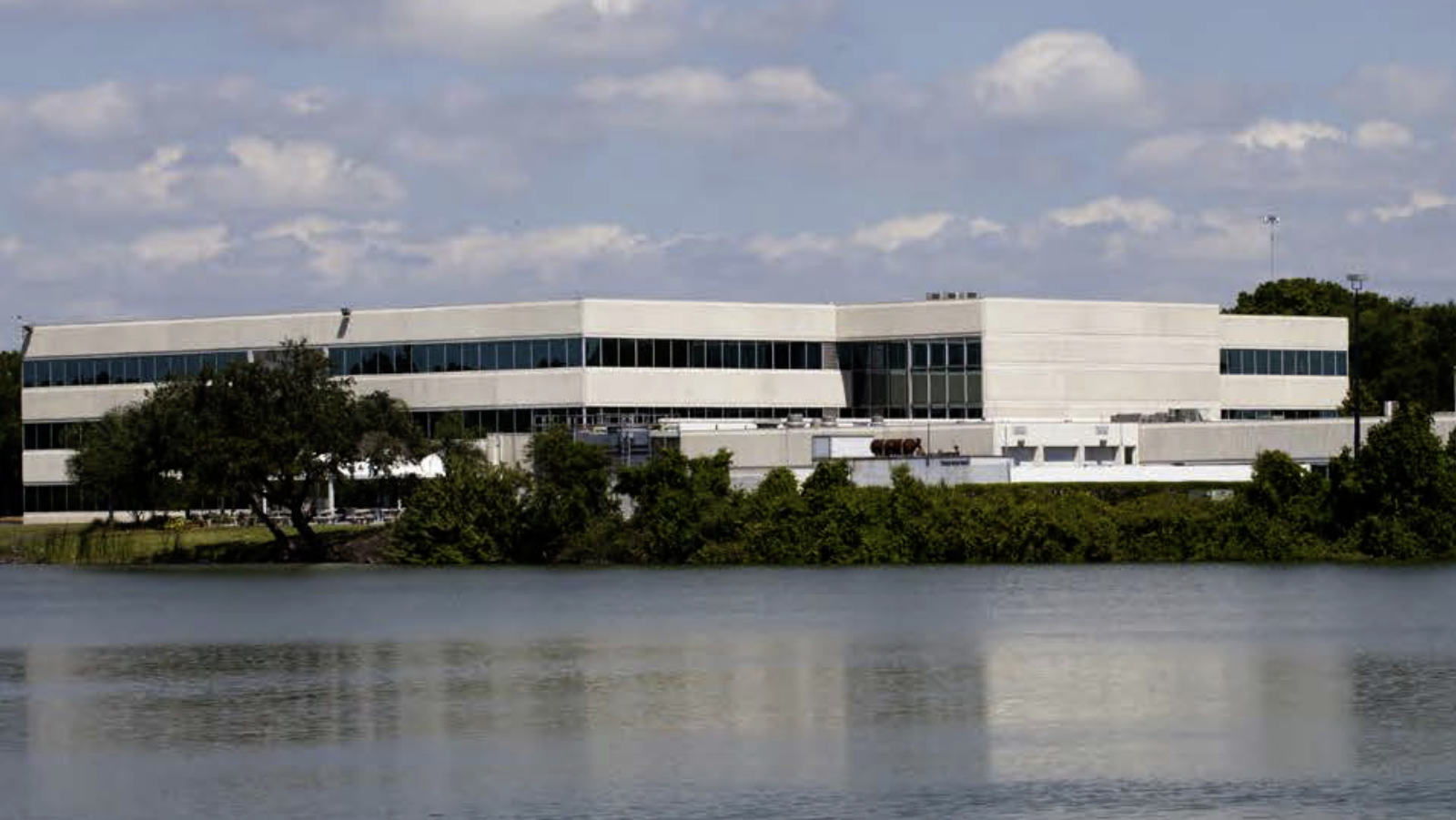
Richland Capital Holdings has officially started work on Lakeview Corporate Park, a logistics redevelopment at 6700 Lakeview Center Drive in Tampa. The project calls for the conversion of an existing three-story office building into a modern industrial complex totaling 310,000 square feet of logistics space.
According to reporting from the Tampa Bay Business Journal, the plan replaces the single office structure with two rear-load distribution buildings. The design targets a broad mix of logistics, manufacturing, distribution, and light industrial users that prioritize immediate access to the regional transportation network.
The new park will feature two distinct buildings. One will total 106,375 square feet, while the second will span 203,320 square feet. Together, they create a combined footprint positioned for multi-tenant occupancy and flexible configurations, consistent with the project’s focus on serving a range of industrial requirements.
Both buildings are planned with 32-foot clear heights, supporting modern warehousing, distribution, and light manufacturing operations. A shared truck court will serve the two facilities, providing loading and circulation infrastructure designed to accommodate contemporary distribution needs.
In addition to the core industrial space, the project offers opportunities for build-to-suit and speculative office components within the development. Space can be divided into multiple configurations, allowing the property to accommodate a variety of tenant sizes and operational layouts, from smaller users to larger industrial footprints.
Richland Capital Holdings acquired the property in 2023 for $10.97 million. The office building now slated for redevelopment was originally constructed in 1984, underscoring the shift from legacy office use to modern logistics space at the site.
Leasing for Lakeview Corporate Park will be led by JLL. The team of Peter Cecora, John Dunphy, and Olivia Brock Martino is overseeing leasing on behalf of Richland Capital Holdings, with responsibility for marketing the new industrial space and structuring occupier commitments as the project advances.
The redevelopment reflects an ongoing repositioning of older office assets into industrial product in select locations where access to transportation and logistics infrastructure supports higher and better uses aligned with regional distribution demand.