
Chicago’s industrial market is tightening as vacancy falls to its lowest point in seven quarters, according to a new report from Savills. Entering the second half of 2026, the report finds that manufacturing investment, logistics expansion and constrained new supply are combining to strengthen core fundamentals across the region.
Savills reports that overall industrial vacancy in Chicago has declined to 6.9%, marking a 90-basis-point improvement from a year earlier. The drop in vacancy is being driven by a sharp rebound in occupier activity, as tenants that had previously delayed decisions are now moving forward with space commitments.
Net absorption totaled 10,600,000 square feet during the first half of the year, a substantial increase compared with 2,000,000 square feet over the same period last year. With demand outpacing the limited volume of new deliveries, available inventory is being steadily absorbed, tightening options for users seeking space.
Manufacturing reshoring is playing a notable role in this demand profile. The Savills report highlights activity from users such as Hyundai Translead, which executed a 907,000-square-foot lease tied to the company’s broader investment in Illinois. This kind of large-scale commitment underscores how industrial occupiers are positioning for long-term production and distribution needs.
Developers and institutional investors are responding to the improved fundamentals. The report notes renewed confidence across the capital stack as speculative construction picks up and investment sales begin to rebound after a slower period. While overall deliveries remain historically low, the combination of tightening vacancy and more active capital is reshaping expectations for the market’s next phase.
The broader industrial ecosystem around Chicago is also drawing attention within the national conversation. Industry participants will be tracking how sustained reshoring, logistics growth and measured new development continue to influence absorption, pricing and future construction decisions as the year progresses.
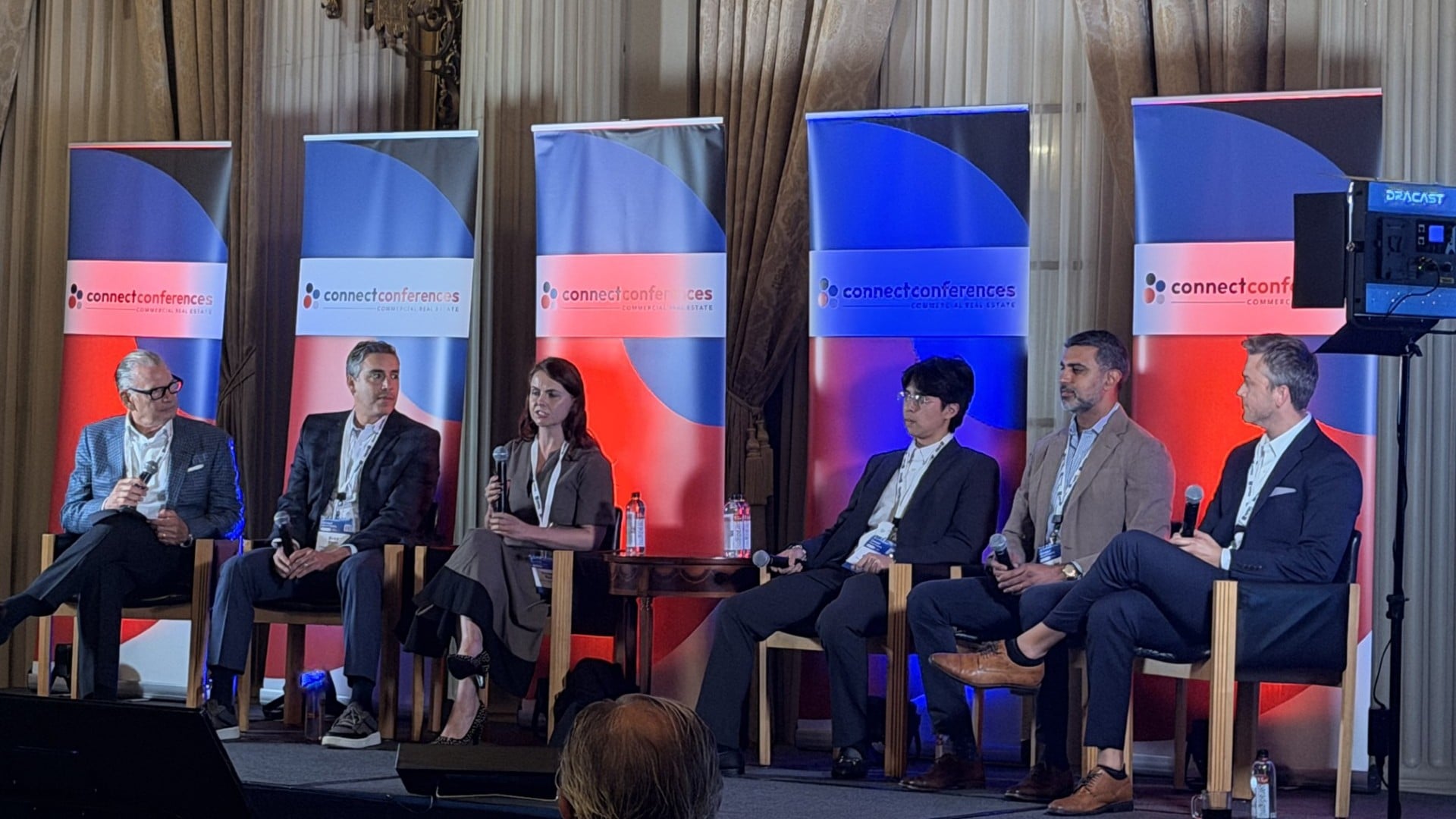
Separately, Connect Industrial West is scheduled for August 20 in Irvine, bringing together owners, investors, developers, brokers, lenders and occupiers focused on industrial real estate across the Western U.S. The event is positioned as a forum for market insights, dealmaking and networking among key decision-makers.