Manhattan’s prime retail corridors are facing the tightest supply conditions in nearly a decade, with availability dropping to a new low as banks step up branch expansion. JLL’s third-quarter 2026 Manhattan Retail Report places average availability across the borough’s key high-street locations at 11.4%, the lowest level recorded since the firm began tracking the market in 2017.
Within this constrained environment, retail bank branches and other financial institutions have become notably active in securing storefront space. JLL identifies increased banking activity as a significant factor behind the recent decline in available prime retail units, as national and regional institutions move to secure visible, neighborhood-based locations.
Recent lease commitments underscore the scale of this push. Bank of America has signed for 16,309 square feet at 19 Union Square West, bolstering its presence in a heavily trafficked, transit-served retail node. Nearby, OceanFirst has taken 4,100 square feet at 36 Union Square East, further concentrating financial services users around Union Square’s established retail cluster.
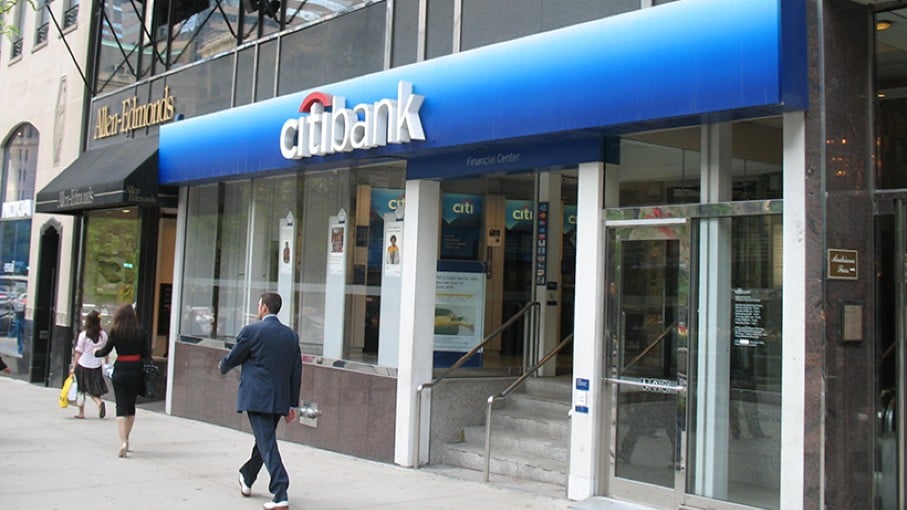
On the Upper West Side, Citibank has committed to a 14,274-square-foot space at 170 W. 72nd St, extending bank branch coverage in another dense, established neighborhood corridor. Together, these three leases account for nearly 35,000 square feet of newly absorbed space, with JLL noting that many additional bank-branch transactions remain in the pipeline.
JLL vice chairman Patrick A. Smith points to the strategic value of brick-and-mortar locations for banks, even as day-to-day transactions shift to digital channels. While customers can handle routine banking via mobile platforms, he notes that physical branches provide a visible neighborhood presence and a venue for in-person conversations about larger or more complex financial decisions.
Smith adds that this branch activity is intensifying competition for a shrinking pool of prime storefronts. As banks move aggressively to lock in high-profile retail corners and corridor frontage, existing and prospective retailers are increasingly confronted with fewer options in Manhattan’s most desirable locations. The combination of record-low availability and sustained demand from both traditional retailers and financial institutions is reshaping the balance of negotiating leverage across key corridors.
For owners and investors, the dynamics described in JLL’s report highlight how essential-service and financial users are helping to backfill and stabilize Manhattan’s prime retail inventory. For occupiers, particularly non-bank retailers, the same trend translates into a more competitive landscape for securing and retaining high-visibility space.