The Boston Planning & Development Agency board has signed off on a package of tax incentives for four residential developments that together would add 1,400 housing units, according to reporting from the Boston Business Journal. The decision formalizes a proposal advanced in September by Mayor Michelle Wu’s administration, which sought to use targeted property-tax relief to help move already permitted projects into the construction phase.
Under the plan, the four developments will receive a combined $31 million in tax breaks. Two of the projects are located in Allston, with the other sites in Brighton and Charlestown. City officials have indicated that Mayor Wu has proposed committing upwards of $100 million overall to similar tax relief efforts for qualifying housing projects, positioning this initial group as an early tranche within a broader incentive strategy.
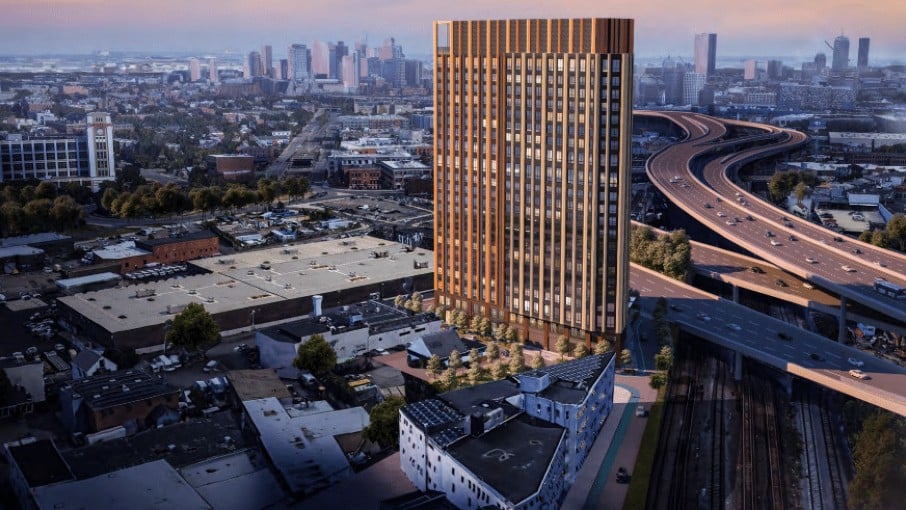
The approved projects include One Mystic Ave. in Charlestown, 22-24 Pratt St. in Allston, 83 Leo M. Birmingham Pkwy. in Brighton, and Allston Yards Building D in Allston. The Wu administration has stated that these developments were selected because they had already cleared the permitting process and were considered to require only tax assistance to become financially feasible. By directing incentives to this cohort, the administration is aiming to convert entitled sites into active construction and eventual housing delivery.
According to the Business Journal, the tax incentives will not begin until after each project has completed construction. Once in effect, the agreements can run for either five or 10 years, depending on how each deal is structured. This approach is designed to give developers flexibility in how the relief is applied over time, while tying the benefits to actual project completion rather than to earlier phases of the development cycle.
The board’s action underscores the role of municipal tax policy in shaping the economics of residential development in Boston. By combining previously granted land-use approvals with post-construction tax abatements, the city is attempting to bridge feasibility gaps on select projects without altering their underlying entitlements or development programs.