
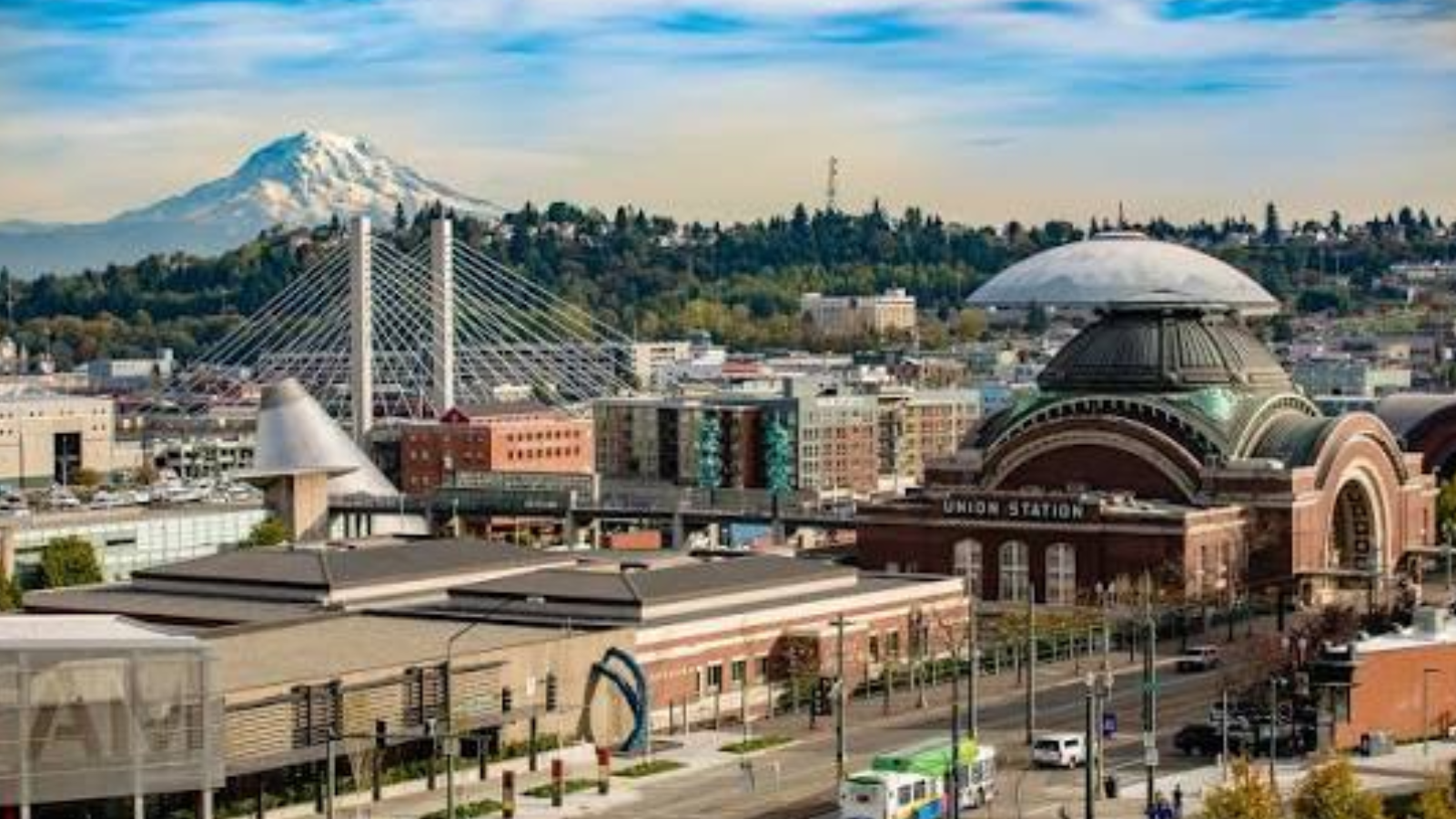
Tacoma officials have determined that stand-alone data centers are not allowed under the city’s current zoning framework, effectively blocking new independent facilities unless regulations are changed. A recent interpretation of the Tacoma Municipal Code by the city’s planning and development services department states that single-purpose data centers do not qualify as a permitted use under existing zoning categories.
The clarification was announced alongside a joint statement from Tacoma City Councilmembers Latasha Palmer and Olgy Diaz, who said residents have voiced growing unease about the pace and scale of recent data center proposals. According to the councilmembers, community feedback has highlighted worries about how such projects might affect neighborhood amenities, local infrastructure, noise levels, job patterns, and other quality-of-life factors.
Palmer and Diaz noted that Tacoma is not alone in reexamining the role of large, independent data centers. They pointed out that communities across the country are questioning or rejecting new facilities, citing both current and potential impacts on surrounding neighborhoods and municipal systems. In Tacoma, residents have raised similar objections, particularly around utility demands and the possibility of higher costs tied to power and other essential services.
In response, the city’s planning and development services department applied the existing zoning code to clarify how data centers should be treated under current law. The department’s interpretation concludes that single, stand-alone data centers cannot be permitted as an independent use in Tacoma’s zoning districts as they are presently written. As a result, new proposals for independent data center facilities cannot proceed through the city’s approval process under the current code.
The decision does not amend the underlying zoning ordinance but instead provides formal guidance on how the municipal code is to be applied in the case of data centers. This approach effectively pauses the development of new stand-alone facilities while leaving open the possibility that future legislative or regulatory action could establish a different framework. For now, however, the interpretation sets a clear limit on data center entitlements in the city.
The clarification underscores the growing tension between digital infrastructure demand and local land use priorities. Tacoma’s move reflects how concerns around infrastructure capacity, neighborhood impacts, and cost burdens are starting to shape where and how large-scale data facilities can be located, with zoning and planning departments taking a more active role in defining acceptable uses.