SpaceX has outlined plans for a major semiconductor manufacturing complex in Grimes County, near College Station, anchored by a vertically integrated fabrication plant known as the Terafab project. The first phase of the initiative represents a capital investment of more than $16.8 billion, according to the company, and is expected to generate 3,000 new jobs in the area. The project is supported by a Texas Enterprise Fund grant of $30 million that has been extended to SpaceX.
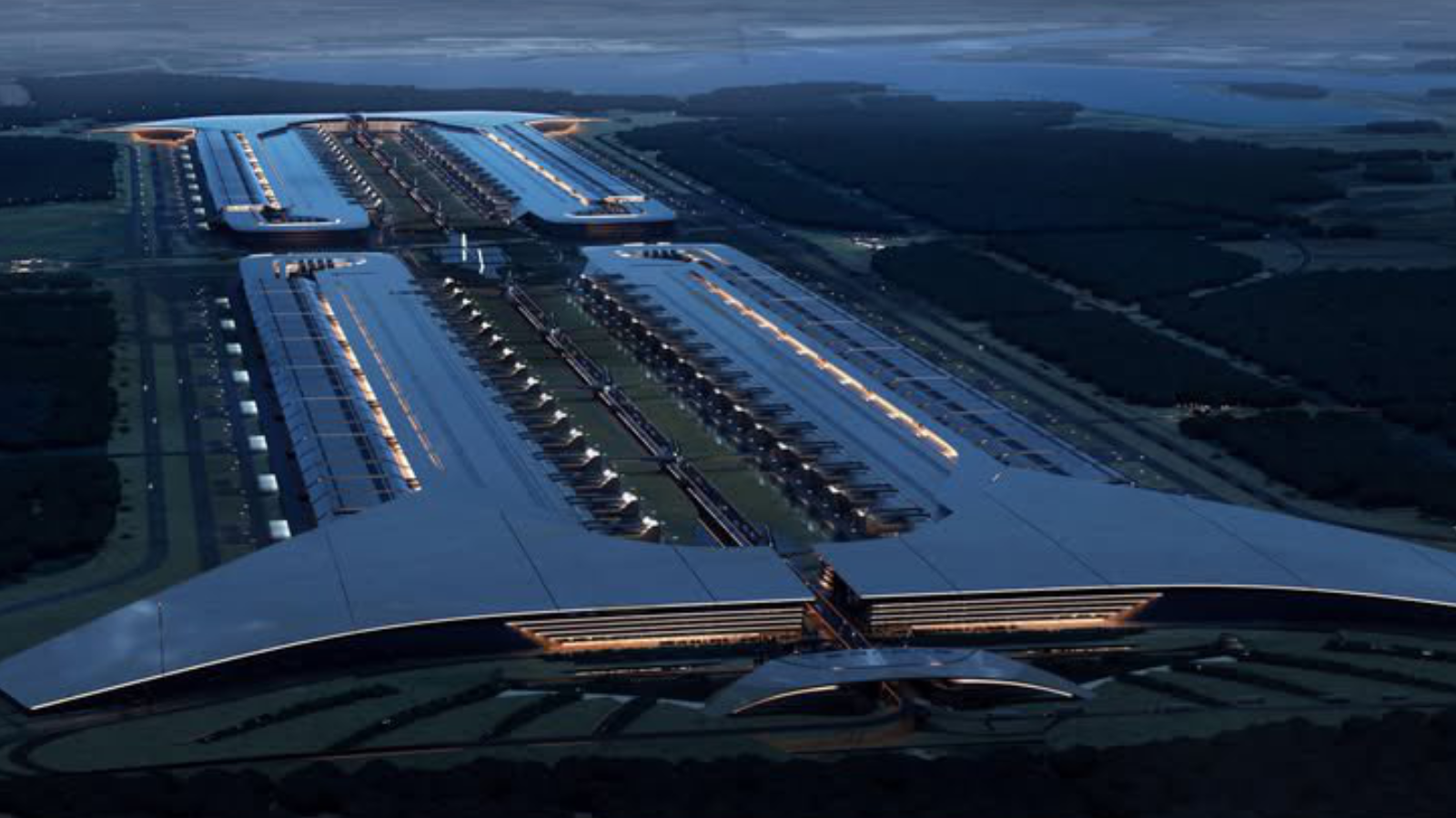
The Terafab development is planned as a 100-million-square-foot facility, described as already home to SpaceX’s global headquarters. The large-scale campus is designed to consolidate the company’s semiconductor production activities under a single roof, streamlining the manufacturing process and creating a unified supply chain for critical components. By bringing these operations together, SpaceX aims to increase throughput and reliability across its chip production platform.
The plant is expected to support a wide range of roles, including engineers, technicians, and plant operators, as SpaceX ramps up staffing to operate the new semiconductor manufacturing lines. The company characterizes the development as a vertically integrated operation that will handle multiple steps of the chip production process on site, rather than relying on a dispersed network of external suppliers.
SpaceX Founder and CEO Elon Musk described the effort as an expansive chip-building initiative that will combine logic, memory, and advanced packaging capabilities within the Grimes County facility. He framed the Terafab project as a way to bring advanced semiconductor manufacturing capacity to the United States while supporting thousands of high-paying positions in Texas. The company also indicated that the chips produced at the complex are intended to support applications both on Earth and in space.
For the broader region near College Station, the Terafab project represents a substantial industrial and employment commitment, backed by both private capital and state-level incentives. The scale of the investment and the size of the facility underscore SpaceX’s intent to internalize a larger share of its semiconductor requirements, with potential implications for local infrastructure, workforce development, and the surrounding commercial real estate environment as the project moves forward.