New York City officials plan to accelerate affordable housing production in a dozen community districts starting in early 2027, aiming to rebalance where new subsidized units are being built across the city. State Assemblymember Zohran Mamdani and the New York City Department of City Planning jointly announced that 12 districts will be placed on an expedited track for affordable housing reviews beginning in January 2027.
The selected districts account for nearly one-fifth of New York City’s 59 community districts, yet they have delivered only 1.1% of the city’s new affordable housing over the last five years. The new approach is being implemented under the voter-approved Affordable Housing Fast Track program, which is intended to streamline the process for adding income-restricted homes in areas that have historically produced little affordable supply.
Three of the chosen districts are in Brooklyn: Community District 10, covering Bay Ridge and Dyker Heights; Community District 12, which includes Borough Park and Kensington; and Community District 18, serving Canarsie and Flatlands. Each of these neighborhoods has seen limited participation in the recent wave of affordable housing development, despite being long-established residential areas with existing infrastructure and housing stock.
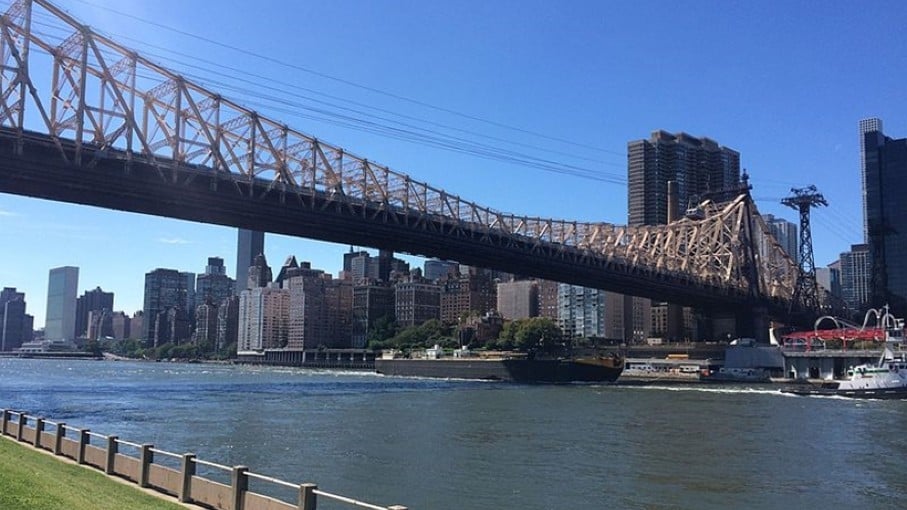
In Manhattan, the districts included in the Fast Track program are Community District 7 on the Upper West Side and Community District 8, which covers the Upper East Side and Roosevelt Island. These are among the city’s highest-profile residential neighborhoods and have historically seen a mix of market-rate and regulated housing activity, but they have not been major contributors to new affordable production in the most recent five-year period.
The Queens districts designated for the program are Community District 4 (Corona and Elmhurst), Community District 5 (Ridgewood, Maspeth, and Middle Village), Community District 10 (South Ozone Park and Howard Beach), Community District 11 (Auburndale, Bayside, and Douglaston), and Community District 13 (Queens Village, Bellerose, and Rosedale). These areas span a diverse set of low- to mid-density neighborhoods across central and eastern Queens, many of which have seen incremental growth but comparatively minimal new subsidized housing.
On Staten Island, Community District 2, which covers Mid Island, and Community District 3, which serves the South Shore, round out the 12 Fast Track districts. These geographies are among the city’s least dense and have historically seen lower levels of multifamily development relative to the core boroughs.
According to Mamdani’s office, the city’s highest-producing community district created eight times as many affordable homes as all 12 of the newly designated Fast Track districts combined over the past five years. Mamdani framed the initiative as a response to that imbalance, stating that New York’s housing crisis will not be resolved by relying on the same neighborhoods to carry the bulk of new construction activity.
The Affordable Housing Fast Track program reflects an effort to distribute future affordable housing growth more evenly across the city, with a specific focus on community districts that have contributed relatively little new supply in recent years. Further details on individual projects, timelines, and the volume of new units that may result from this initiative were not provided in the announcement.