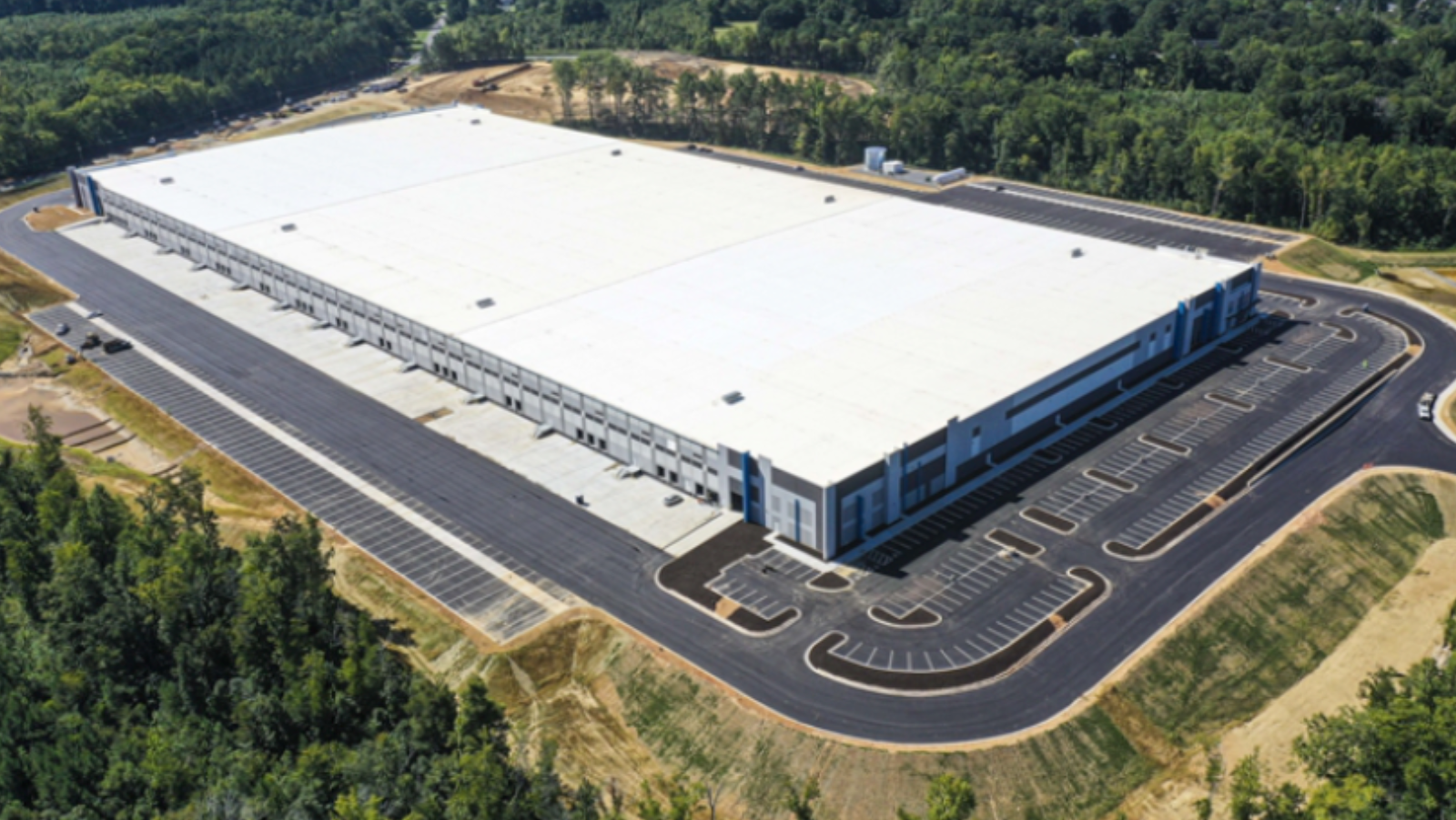

Oakwell Capital Partners and Cawley Partners have filed plans for a sizable new data center development in Georgetown, proposing a facility designed to deliver 68 megawatts of capacity within a 145,000-square-foot building. The joint venture is seeking a zoning change that would permit a building of up to 290,000 square feet on the site, giving the developers room to accommodate future expansion beyond the initial phase.
The town’s planning commission is scheduled to consider the proposal next week, with the entitlement process viewed as a key step in advancing the project. As currently envisioned, the data center would underpin a range of cloud-based services, supporting functions such as online banking, streaming platforms and electronic healthcare records. According to reporting cited from the Austin Business Journal, the capital investment for the campus could approach $1 billion if fully built out.
Local fiscal impacts would be significant if the project moves forward. The proposed data center is projected to become the largest single taxpayer in Georgetown, with estimates suggesting it could contribute between $10 million and $15 million in property taxes each year. That projected tax base expansion is a central part of the case being made to local officials and stakeholders as the developers seek land-use approvals.
Community response has included concerns about power demand and resource consumption, issues that frequently surface around large-scale data center siting. In response, the developers are highlighting Oncor Electric’s construction of a large substation at the project location, presenting it as a key component in supporting the facility’s power requirements. They also indicate that water use and other operational aspects will be managed to exceed code requirements in an effort to reduce potential environmental and infrastructure impacts.
Despite some local pushback, the broader Central Texas region continues to draw interest from data center developers, with stakeholders citing a combination of available land, established power infrastructure and a generally business-friendly environment. The Georgetown proposal aligns with this trend, positioning the joint venture’s project within a regional landscape that has become increasingly attractive for cloud and digital infrastructure investment.