The Healey-Driscoll Administration and the Massachusetts Life Sciences Center (MLSC) have introduced BioBoost, a funding program aimed at expanding biomanufacturing and advanced medtech manufacturing activity across Massachusetts. The initiative is designed to channel public resources into companies that are growing their production capabilities in the state’s life sciences ecosystem.
According to MLSC, BioBoost attracted approximately $60 million in funding requests, despite having a program budget of $3.5 million. The strong response indicates substantial demand from biomanufacturing and medtech manufacturers seeking support for facility buildouts and process scaling within the Commonwealth.
Five grants were awarded in this initial round. The largest award, totaling $1.4 million, was issued to Terrestrial, a company based in Woburn. The grant will help fund the buildout of what is described as the world’s first commercial-scale therapeutic microarray patch manufacturing headquarters, adding new specialized production capacity to the state’s life sciences infrastructure.
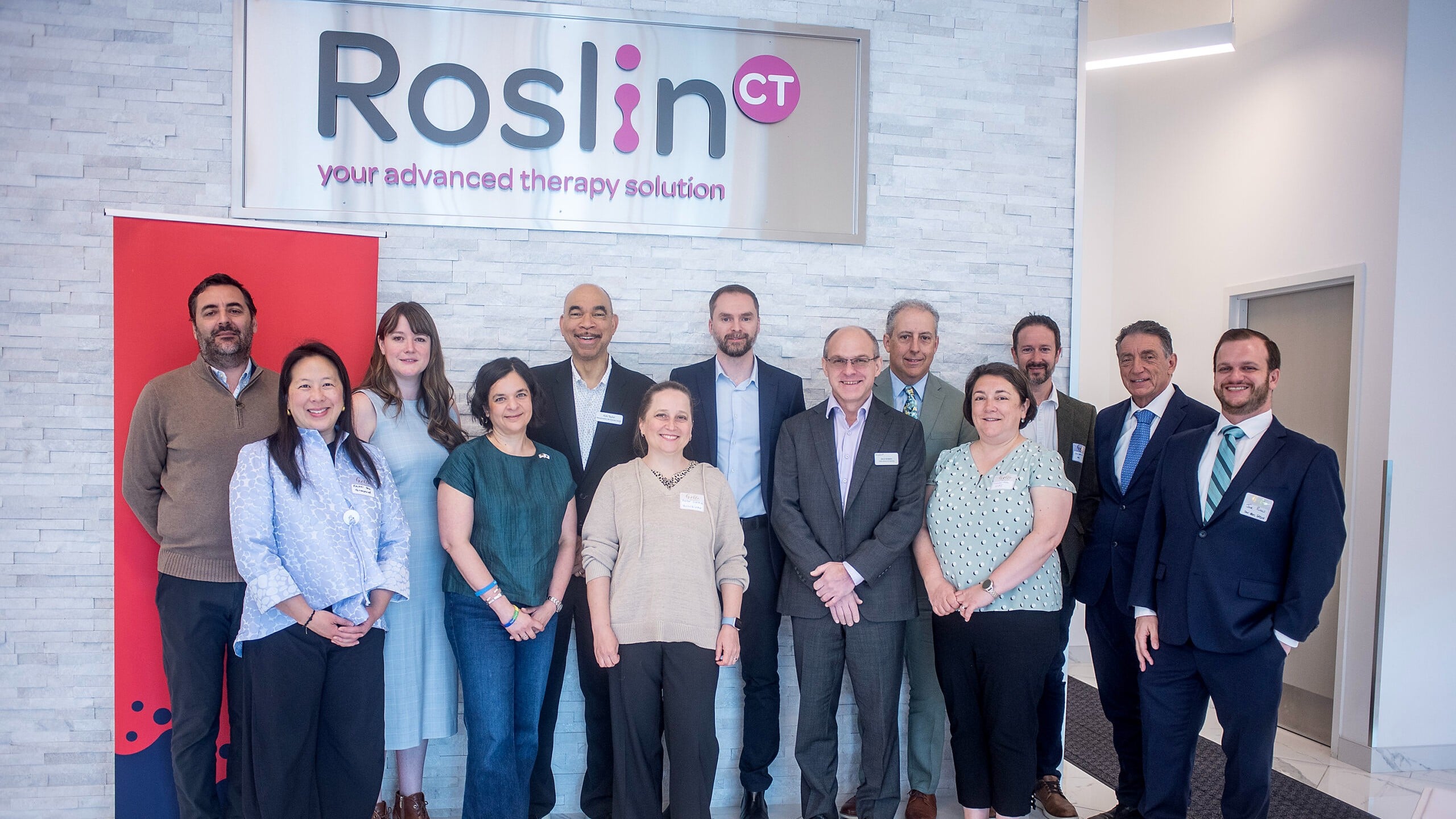
Additional BioBoost grants were awarded to Massachusetts Biomedical Initiatives, RoslinCT, Holobiome and Theromics Inc. While individual award amounts for these organizations were not disclosed in the announcement, each recipient is positioned to use the funding to expand or enhance biomanufacturing or medtech-related advanced manufacturing capabilities within Massachusetts.
State officials framed the program as part of a broader strategy to reinforce Massachusetts’ competitive position in life sciences. Undersecretary of Business Strategies Zenobia Moochhala noted that expanding manufacturing capacity is critical to sustaining growth in the sector and emphasized that these investments are expected to help companies accelerate their operations, create high-quality jobs and strengthen production resiliency across the Commonwealth.
The BioBoost launch builds on a long-standing public investment effort. Since 2008, the MLSC has deployed more than $1.1 billion across Massachusetts through grants, loans, capital infrastructure investments, tax incentives and workforce development programs. The new program continues that approach by targeting manufacturing-oriented projects that support the commercialization and scale-up phases of life sciences and medtech companies.