JLL Capital Markets has arranged $44 million in construction financing for the conversion of 31 Milk St., an office building in Downtown Boston, into a multifamily community. The financing supports an adaptive reuse program that will transform the existing property into The Residences at 31 Milk, a new residential offering in the city's core.
The JLL Capital Markets team representing the borrower included managing director Anthony Cutone, director Madeline Joyce and associates Michael Schwarze and Joe Marinaro. They advised Dinosaur Capital Partners and Mugar Enterprises, which are identified as the borrowing entities for the project.
The financing package is anchored by a three-year, senior construction loan provided by an affiliate of The Davis Companies. The loan marks the inaugural transaction for The Davis Companies&apos integrated credit platform, signaling the firm's move into a more formalized lending strategy. In addition to the senior loan, the capital stack incorporates federal and state historic tax credit financing, reflecting the building's historic character and its 1921 vintage, as well as a layer of subordinate financing from MassHousing.
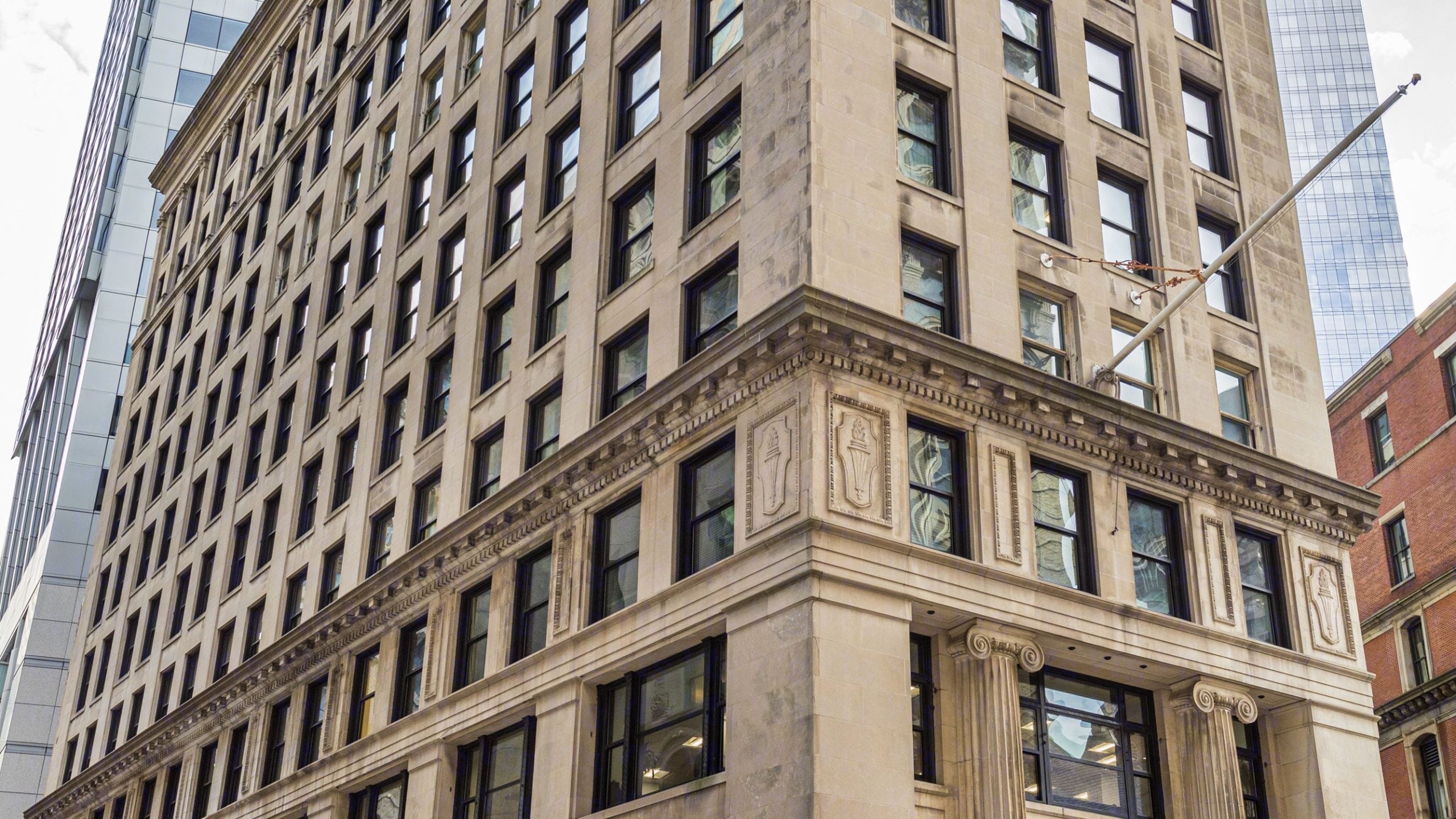
The Residences at 31 Milk will involve the conversion and restoration of an 11-story Beaux Arts office building originally constructed in 1921. When completed, the project is expected to deliver 110 residential units in Downtown Boston. The unit mix is planned to include 88 market-rate apartments and 22 affordable units, integrating income-restricted housing into a centrally located adaptive reuse development.
According to Cutone, office-to-residential conversions in the current market environment require a high degree of coordination among multiple capital providers and public entities. He noted that the 31 Milk St. financing brought together lenders, public agencies and private stakeholders under a shared objective of moving the project forward, characterizing the transaction as a benchmark for adaptive reuse activity in Boston.
The combination of a senior construction loan, historic tax credit capital and subordinate financing highlights the layered funding approach now common in office conversion projects. By pairing private capital with public and quasi-public sources, the financing structure aims to address both the economic challenges of redeveloping older office stock and the demand for additional housing units in a downtown setting.
Upon its targeted completion in 2027, The Residences at 31 Milk will add new multifamily inventory to Downtown Boston while preserving the architectural character of the Beaux Arts structure. The project illustrates how historic buildings can be repositioned for residential use through a mix of specialized financing tools and coordinated capital markets execution.