San Francisco Mayor Daniel Lurie has introduced legislation aimed at advancing Freedom West 2.0, a long-discussed redevelopment plan in the city’s Western Addition neighborhood. The initiative is designed to bring nearly 2,400 new homes to the community, with more than 17% of the units expected to be reserved as affordable housing. The proposal marks a significant step toward formalizing a vision that neighborhood stakeholders and residents have been working toward for years.
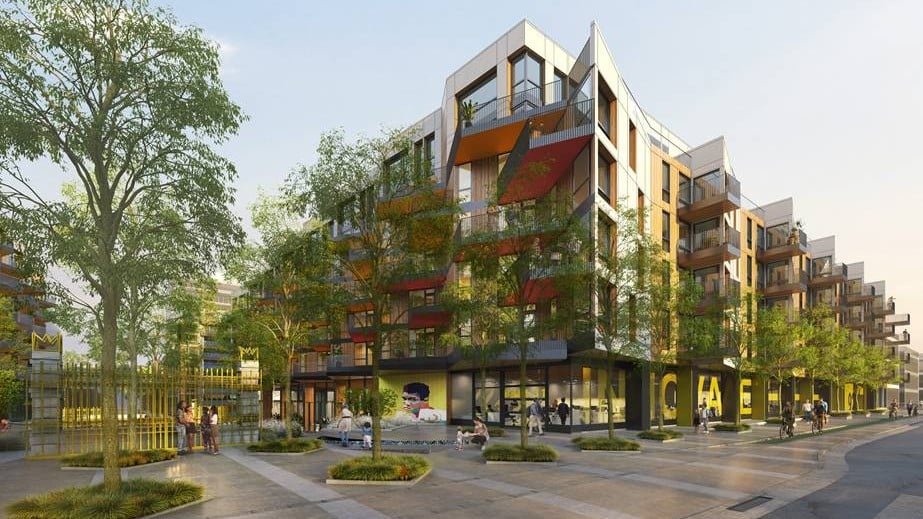
The redevelopment is structured as a multi-phase undertaking that will unfold across four city blocks. Freedom West 2.0 is planned as a mixed-income residential community combining market-rate and affordable housing. In addition to the residential component, the plan calls for public open space and an innovation center, positioning the project as both a housing resource and a neighborhood-serving hub. The mix of uses is intended to support everyday community needs while also creating shared amenities for residents and the broader Western Addition area.
The first phase of Freedom West 2.0 focuses on senior housing and reinvestment in the existing cooperative community. It will deliver 115 units of affordable senior housing alongside a rebuilt Freedom West Cooperative. Groundbreaking for this initial phase is anticipated in the first half of 2027, subject to the progression of the legislative process and subsequent implementation steps. The early focus on seniors reflects an effort to preserve and stabilize housing for existing and vulnerable residents within the neighborhood.
Mayor Lurie emphasized that the project has been shaped by sustained community advocacy. Residents of Freedom West and the surrounding area have, according to Lurie, long promoted this redevelopment concept as a way to modernize housing while maintaining a strong local presence. In his remarks, Lurie framed the initiative as an investment in the future of the Western Addition that is also intended to support the long-term strength of San Francisco as a whole.
A key aspect of the Freedom West 2.0 plan is a framework to support the cooperative’s long-term financial stability. The project is expected to generate ongoing revenue through ground leases with affordable housing developers, allowing the co-op to benefit from development activity without giving up land ownership. Additional income is projected to come from retail spaces incorporated into the new buildings, as well as profit-sharing arrangements tied to future market-rate development within the project area.
By combining multiple income streams, the structure of Freedom West 2.0 is designed to reinforce the financial base of the cooperative over time. Ground leases, retail rent and participation in market-rate upside are intended to create recurring revenue sources that can help support operations, maintenance and reinvestment. For the Western Addition, the initiative represents a large-scale reinvestment effort that aligns new development with a community-based ownership framework built around the existing Freedom West Cooperative.