Robotics in commercial real estate are moving beyond controlled manufacturing lines and fulfillment centers as advances in artificial intelligence enable machines to perceive their surroundings, learn tasks and respond dynamically. A recent JLL report describes this shift as physical AI, defined as the integration of sensors, cameras and machine learning into systems that can perceive, decide and act to perform physical work in the built environment.
Physical AI is beginning to take hold in commercial real estate, with the earliest applications concentrated in facilities management. Owners and occupiers are piloting robots for cleaning, landscaping, security and maintenance, focusing on repetitive, physical and hard-to-staff work. The report suggests that organizations that experiment with robotics now can build operational knowledge, establish vendor relationships and generate site-specific data that will be critical as products mature, creating benefits that extend beyond facilities management to broader investor and occupier operations.
JLL outlines a three-stage evolution. In roughly the first five years, robots are expected to perform individual tasks under human supervision. Over the next five to 10 years, fleets of robots could operate in coordination under AI-led orchestration systems, reshaping the facilities management business model. After 2040, the report envisions self-improving assets where sensors, robots and AI continuously monitor and optimize building performance.
The mid-stage transition could be particularly disruptive for facilities teams, which may shift from managing people and contractors to managing machine fleets. New roles around robot monitoring, maintenance and orchestration are likely to emerge, while robots take on more hazardous or physically demanding tasks. To support this shift, buildings will need charging areas, repair space, sufficient power and connectivity, and clear movement pathways, making robotics-readiness a potential future component of asset quality.
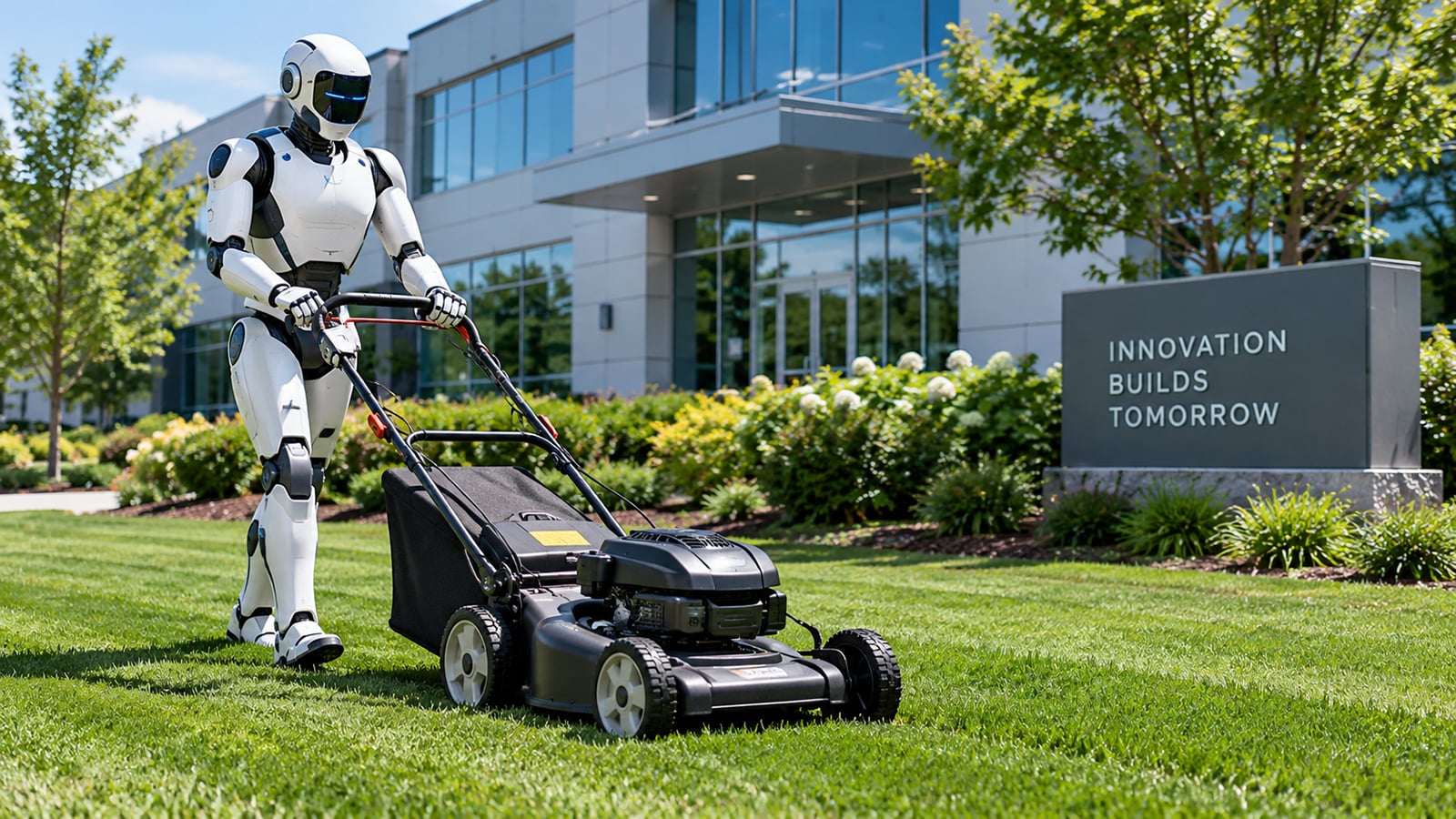
Current pilots illustrate both upside and limitations. A robotic vacuum in an office environment freed human cleaners to focus on other duties, and robotic mowers were able to reduce operating costs across more than 130000 square feet of lawn. By contrast, a robotic floor scrubber did not yet deliver cost savings once the remaining human labor requirements were factored in. Broader challenges include limited autonomy, insufficient data, safety and stability concerns and battery performance.
JLL advises investors to review the industries represented in their occupier base, evaluate how power, space and interior layouts in existing assets align with robotics deployment and consider incorporating robotics-readiness into valuation and underwriting frameworks. Occupiers are encouraged to plan for fitouts, power and space loads, define strategies for human oversight and fleet management and research technology requirements by use case and asset type. The report concludes that buildings designed or retrofitted today must be capable of accommodating autonomous systems or risk becoming obsolete in a market where tech-enabled space already secures a pricing premium.