Metropolitan Development Company (MDC) has started construction on The Ferguson, a mixed-use residential and retail community project in the rapidly growing city of Taylor. The new development is positioned as both a neighborhood hub and a commercial destination, combining housing and retail space within a single planned community.
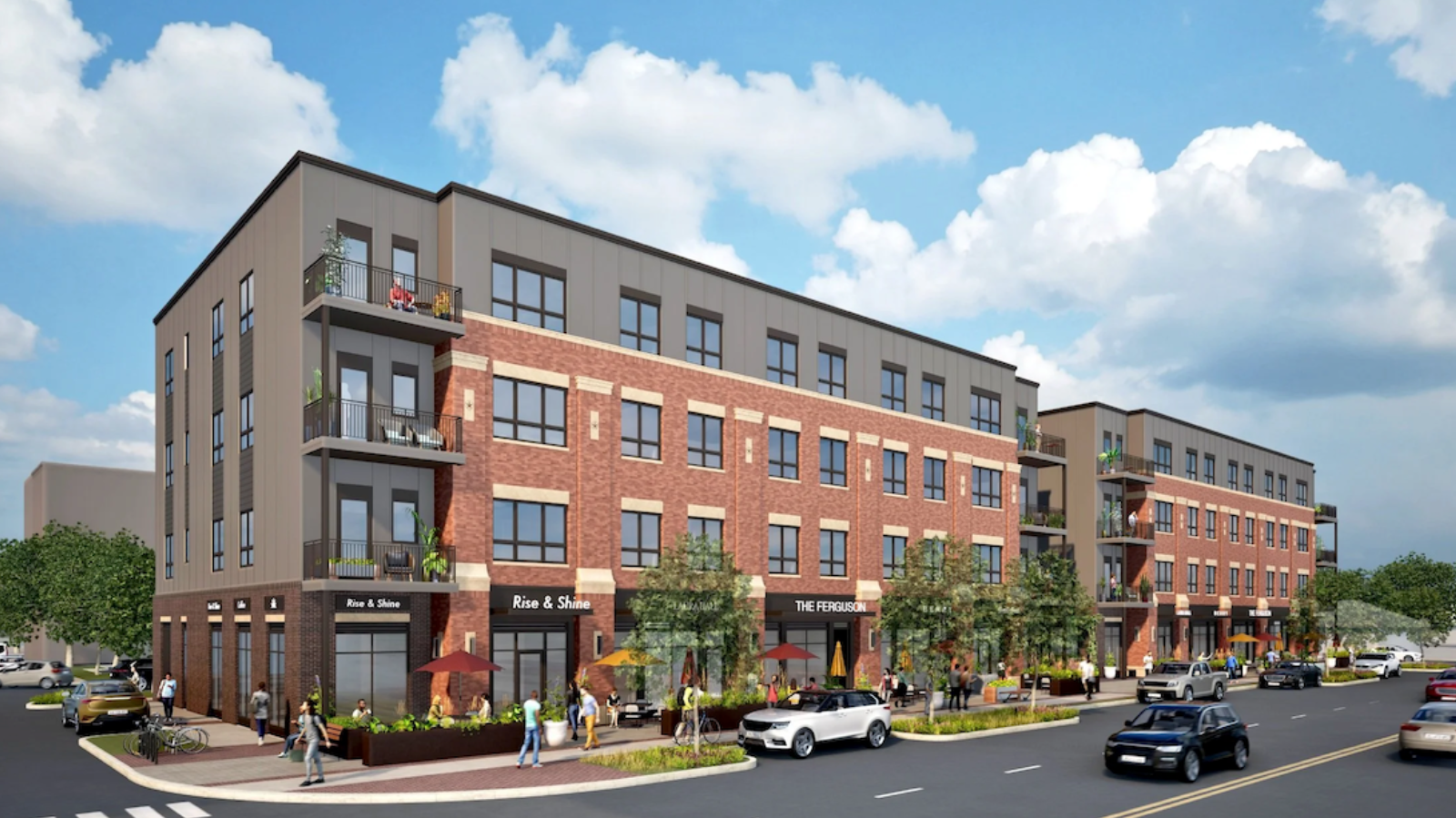
The Ferguson is located at 1300 W. Second St., where it is designed to anchor Taylor’s historic downtown area. The project is described as the first and only condominium development in the city, marking a new product type for the local housing market in one of Central Texas’s fastest-growing areas. MDC has scheduled completion of the project for summer 2027.
The Ferguson will deliver a four-story building with 82 units and a mix of residential and commercial uses. Planned offerings include traditional residential condominiums, live-work units intended to support small business owners, and commercial units that will expand the local retail and services footprint. MDC plans a variety of floor plans to address different tenant and buyer preferences, and the company notes that pricing is expected to be competitive for both renters and purchasers.
The development is being launched against the backdrop of substantial economic expansion in Taylor. The city’s long-term growth is being driven in part by the soon-to-open Samsung semiconductor plant, a facility representing an investment of $16,500,000,000. This large-scale advanced manufacturing project is positioning Taylor as a key node within Central Texas’s broader economic corridor and is expected to influence demand for housing and commercial services over time.
MDC focuses on higher-density, mixed-use and master-planned residential communities across the Texas Triangle, and The Ferguson aligns with that strategy by combining housing, retail, and small-business-oriented live-work space in a single location. By bringing condominium product and mixed-use density to Taylor’s historic downtown, the project underscores how regional developers are responding to population and job growth in Central Texas with more urban-style residential formats.