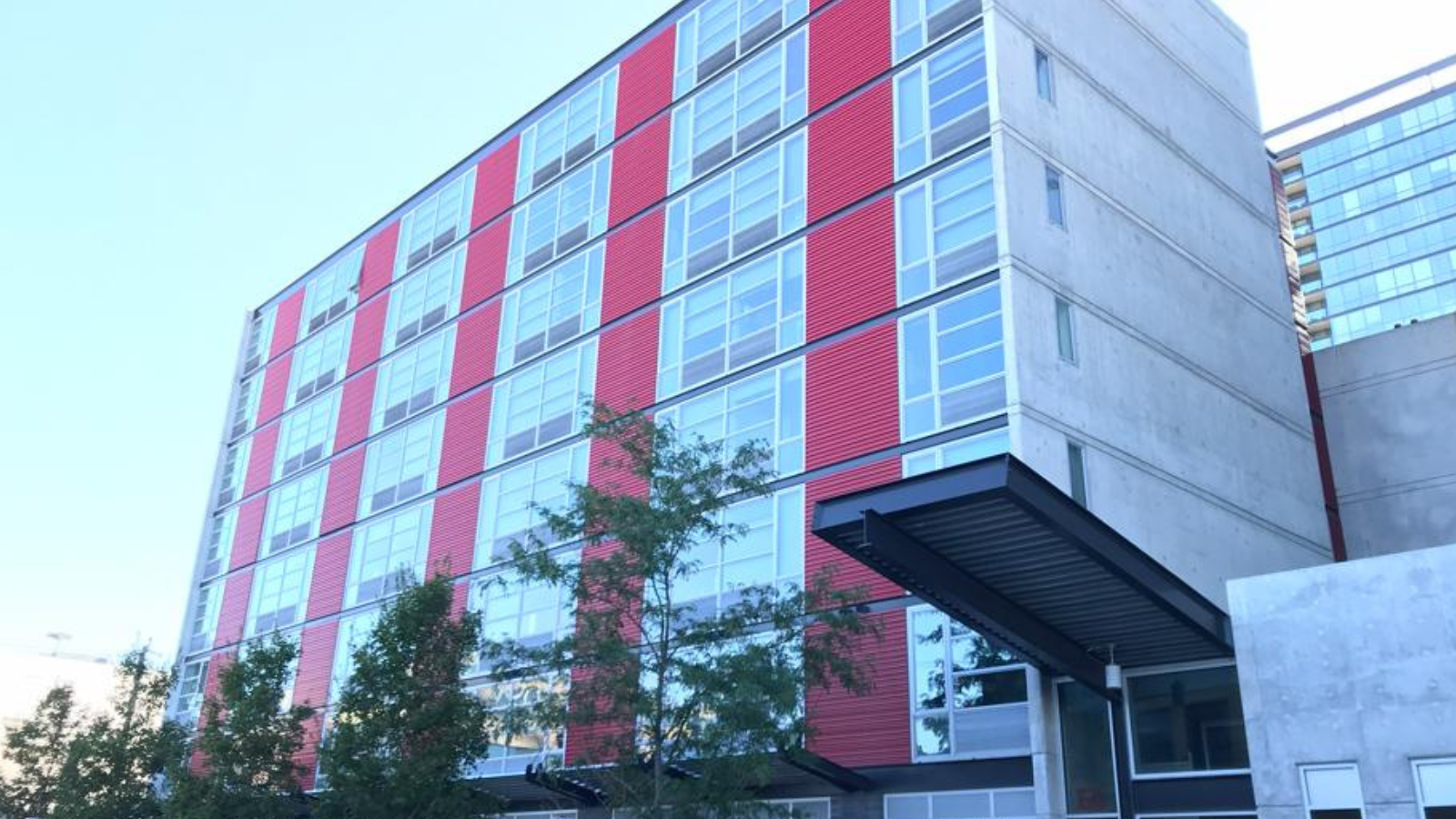
Marcus & Millichap has arranged the sale of 1515 N Fremont St., a multifamily property in Chicago’s Lincoln Park neighborhood, for $20.4 million. The asset comprises 98 residential units and approximately 4,000 square feet of commercial space, combining housing with street-level retail in a dense, infill location.
The transaction was handled through Marcus & Millichap’s Chicago Downtown office. Senior managing director of investments Kyle Stengle represented the seller, Jack Duncan of Thesis Investment Group, and also secured the buyer, Bill Silverstein of Beal Properties, a private real estate investment office. The deal brought together a local seller and a private investment buyer active in the multifamily sector.
Stengle noted that the sale was driven by the property’s strong fundamentals and its position in a competitive urban market. He cited the combination of an exceptional location, sizable scale, and limited opportunities in the area as factors that made the asset highly attractive to investors and contributed to the successful closing.
Located about four miles from Chicago’s Loop, 1515 N Fremont St. sits in the heart of Lincoln Park, a well-established residential neighborhood with access to employment centers and amenities. The property is within walking distance of several Chicago Transit Authority stations, providing residents and commercial tenants with convenient connectivity to other parts of the city.
The surrounding area features a range of recreational and cultural destinations, including Oz Park, Lincoln Park, and the Peggy Notebaert Nature Museum. These attractions, along with the neighborhood’s transit options and proximity to the central business district, support the property’s positioning as an infill multifamily asset with on-site commercial space.
The sale of 1515 N Fremont St. highlights ongoing investor interest in urban multifamily properties that combine residential density with neighborhood-serving commercial components. With limited available opportunities in Lincoln Park, the closing reflects continued demand for well-located assets in established Chicago neighborhoods.