Northmarq’s Washington, DC Debt + Equity team has arranged a new permanent loan for Potomac Place Shopping Center, a longstanding grocery-anchored retail center in Potomac, Maryland. The team, led by Jason Smith and Kenneth Gentzel, secured $50.75 million in fixed-rate refinancing on behalf of the borrower, Zuckerman Gravely.
The property, located at 10100 River Road, totals 80,040 square feet and serves as a neighborhood retail destination in the North Bethesda/Potomac submarket. Originally constructed in 1967, the shopping center has maintained its role as a local retail hub for nearly six decades, supported by a mix of essential, dining, and service-oriented tenants.
The new financing was placed through Northmarq’s relationship with Nationwide Life Insurance Company. Structured as a seven-year permanent fixed-rate loan, the financing is designated to refinance existing debt on the asset. The execution underscores continued lender interest in stabilized, grocery-anchored retail properties, where consistent traffic and daily-needs spending can support long-term, fixed-rate structures.
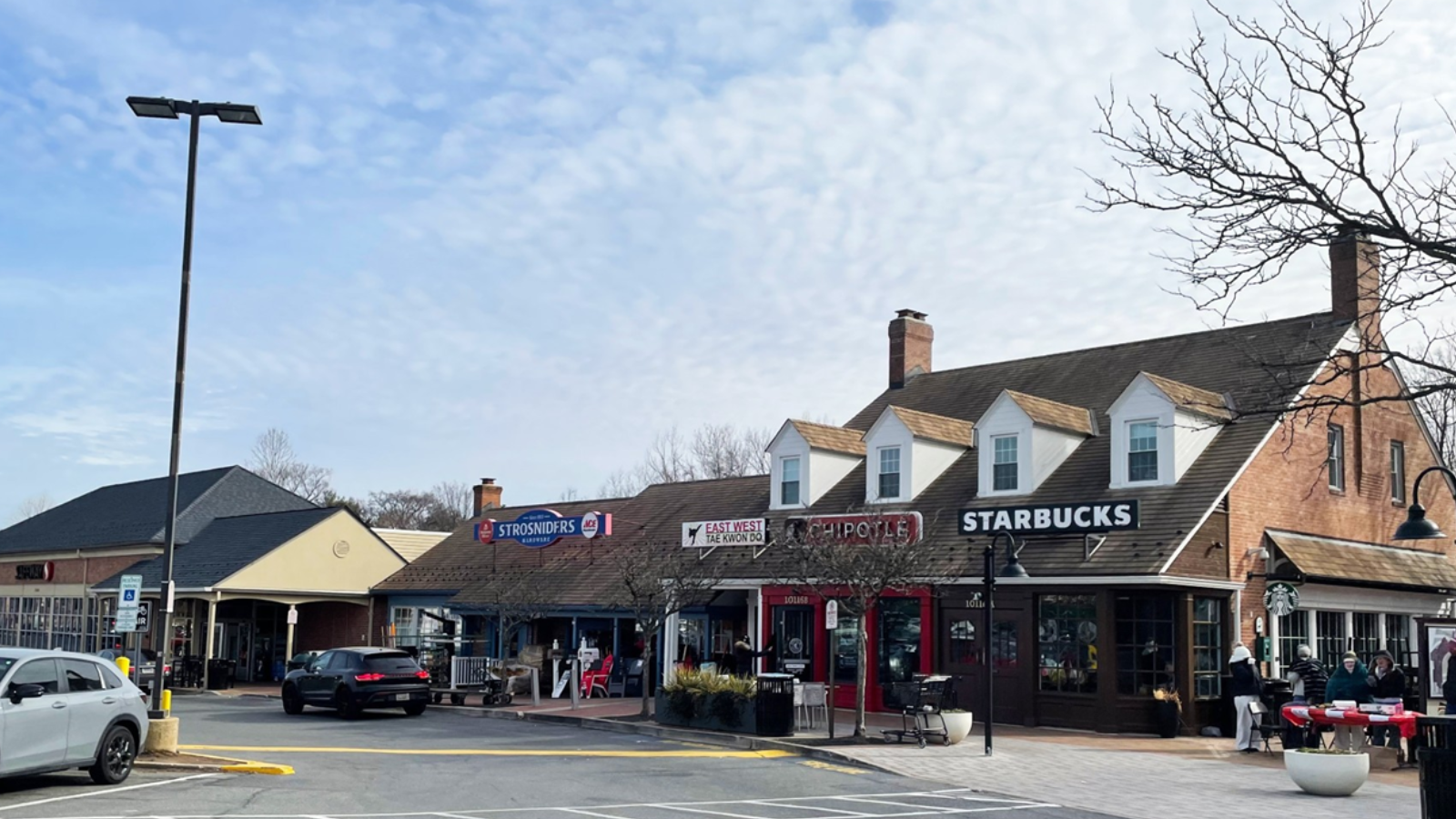
Potomac Place Shopping Center is anchored by Safeway, which functions as the primary grocery draw for the center. The tenant lineup also includes a range of national and regional brands such as Walgreens, Starbucks, Chipotle, and Vie de France Bakery & Café. Local and specialty operators further diversify the merchandising mix, including Strosnider’s Hardware, The Market at River Falls, and several restaurant and service concepts.
Additional tenants at the property include M&T Bank, PNC Bank, Maurizio’s, and Duke’s Grocery, reflecting a concentration of financial services and food-and-beverage offerings. Together, these tenants provide a combination of daily necessities, fast-casual dining, specialty food, hardware, and banking services to the surrounding community.
By refinancing the existing loan with a new seven-year fixed-rate facility, the borrower has locked in long-term debt for a mature, well-established asset in a suburban submarket that has supported the center since the late 1960s. The transaction highlights the role of life insurance company capital in supplying permanent financing to stabilized retail properties anchored by necessity-based tenants.