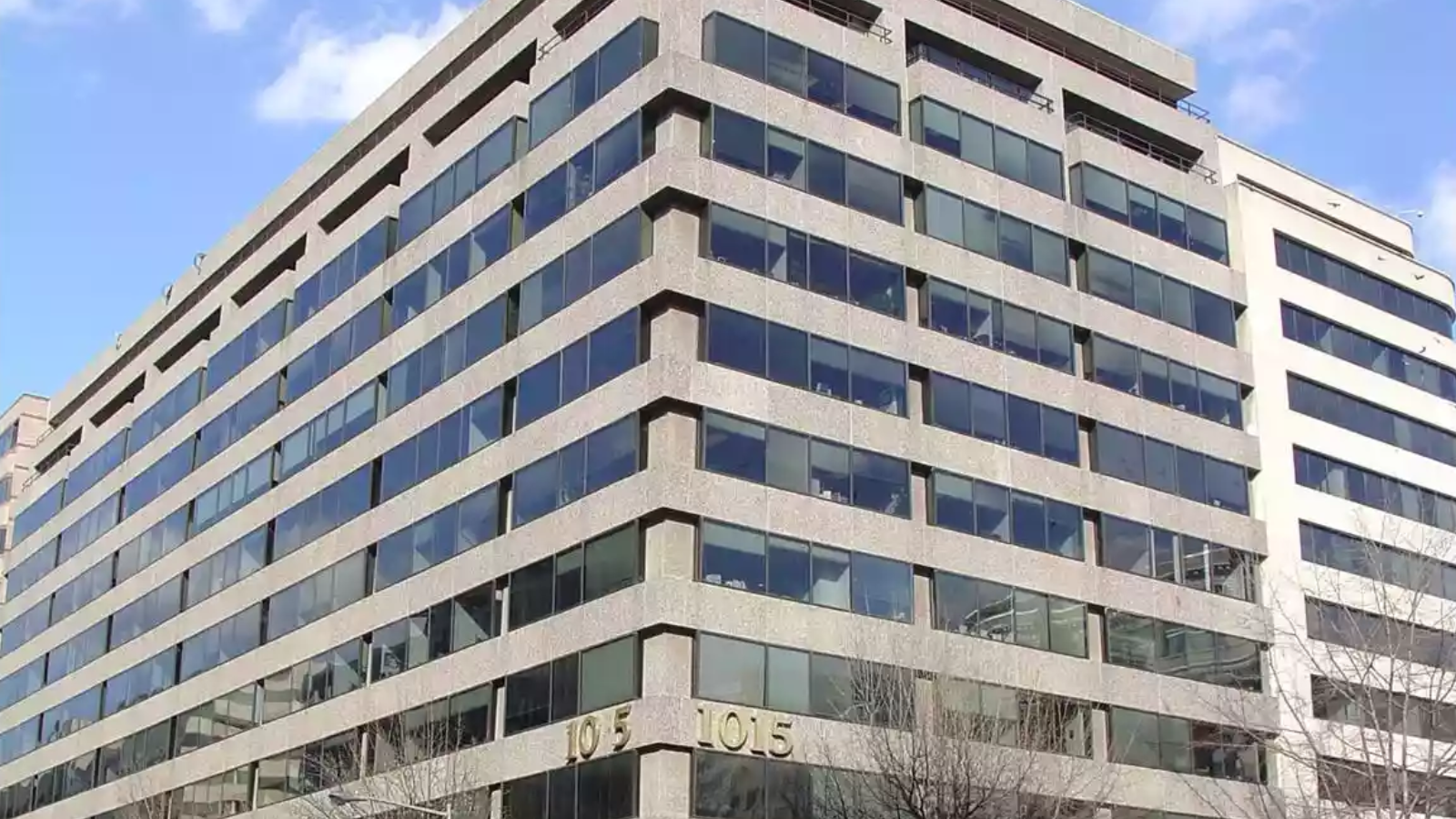
Lathrop GPM LLP has completed the relocation of its Washington, D.C. team to a new office at 1015 15th Street NW. The law firm has taken a 7,000-square-foot space on the building’s 10th floor, moving from its previous location at the Watergate. The change marks a significant reduction in the firm’s local office footprint from nearly 16,000 square feet to the new, smaller premises.
Firm leaders describe the new office as a modern and flexible environment intended to support both attorneys and clients. The space is positioned in the heart of Washington, D.C.’s central business district, placing the team near major government, business, and cultural destinations. The location offers convenient access to key transit hubs as well as nearby dining and entertainment options that serve office users in the area.
The move in Washington, D.C. is part of a broader real estate strategy for Lathrop GPM. Over the past several years, the firm has relocated 10 regional offices with a focus on reducing overall occupancy costs while aligning space with evolving work patterns. The Washington relocation continues this pattern of consolidating square footage while aiming to maintain or improve the quality and functionality of the firm’s offices.
Firm leadership has emphasized that the goal of these relocations is to create work environments that enable professionals to be effective and provide strong client service. The Washington, D.C. office move reflects that approach, trading a larger legacy space at the Watergate for a right-sized, centrally located footprint that aims to match current operational needs.
On the transaction side, Newmark represented Lathrop GPM in the new office space deal. The brokerage’s role underscores continued advisory activity around law firm space rationalization and relocations in core business districts. While specific lease terms were not disclosed, the steps taken by Lathrop GPM highlight how professional services firms are adjusting their real estate usage, especially in high-cost markets such as central Washington, D.C.
For the surrounding office market, the relocation illustrates an ongoing shift in tenant behavior, with some occupiers opting for smaller but more efficient spaces rather than maintaining larger, traditional office footprints. The law firm’s decision to downsize in Washington, D.C.’s central business district aligns with its firmwide efforts to control occupancy costs while keeping a presence in key urban locations.