The General Services Administration has identified nearly $26 billion in deferred maintenance needs across federally owned office buildings, highlighting the scale of capital investment required to keep the government’s workspace functional. The tally, reported by Bloomberg News, comes as the Trump administration seeks to shrink the federal office footprint and dispose of properties deemed no longer necessary.
According to the report, 62 federal buildings each require repair projects estimated at $100 million or more, underscoring significant long-term underinvestment in core building systems and infrastructure. These properties span the federal office portfolio and represent some of the most capital-intensive assets in the government’s control.
GSA administrator Ed Forst told Bloomberg that agency efforts to address the repair list are constrained by statutory requirements that govern how larger projects are approved and funded. Under current rules, Congress must authorize any individual repair project that costs around $4 million or more, a benchmark known as the prospectus threshold. This structure means that a wide range of substantial building projects can move forward only after legislative review.
Forst indicated that the timing and consistency of congressional approvals have been a recurring challenge. He noted that lawmakers have often been slow to act on needed authorizations, and in some cases have redirected funding that had been set aside for major renovations. The result is a pattern in which necessary upgrades are frequently deferred, despite being clearly identified by facilities and asset management teams.
In practice, this funding environment has pushed the GSA toward more limited, interim solutions rather than comprehensive capital projects. Forst said the agency is frequently forced into stopgap repairs and short-term fixes that keep facilities operational but do not fully address underlying deficiencies. He added that this approach contributes to inefficient use of space and complicates strategic planning for the federal real estate portfolio.
The challenges around repair funding also intersect with the administration’s broader goal of consolidating and streamlining government office holdings. Forst explained that the inability to fully modernize some assets has impeded efforts to right-size space allocations and prepare certain buildings for potential disposition. He characterized current capital allocation as being shaped less by optimal portfolio strategy and more by what is feasible under the existing prospectus process.
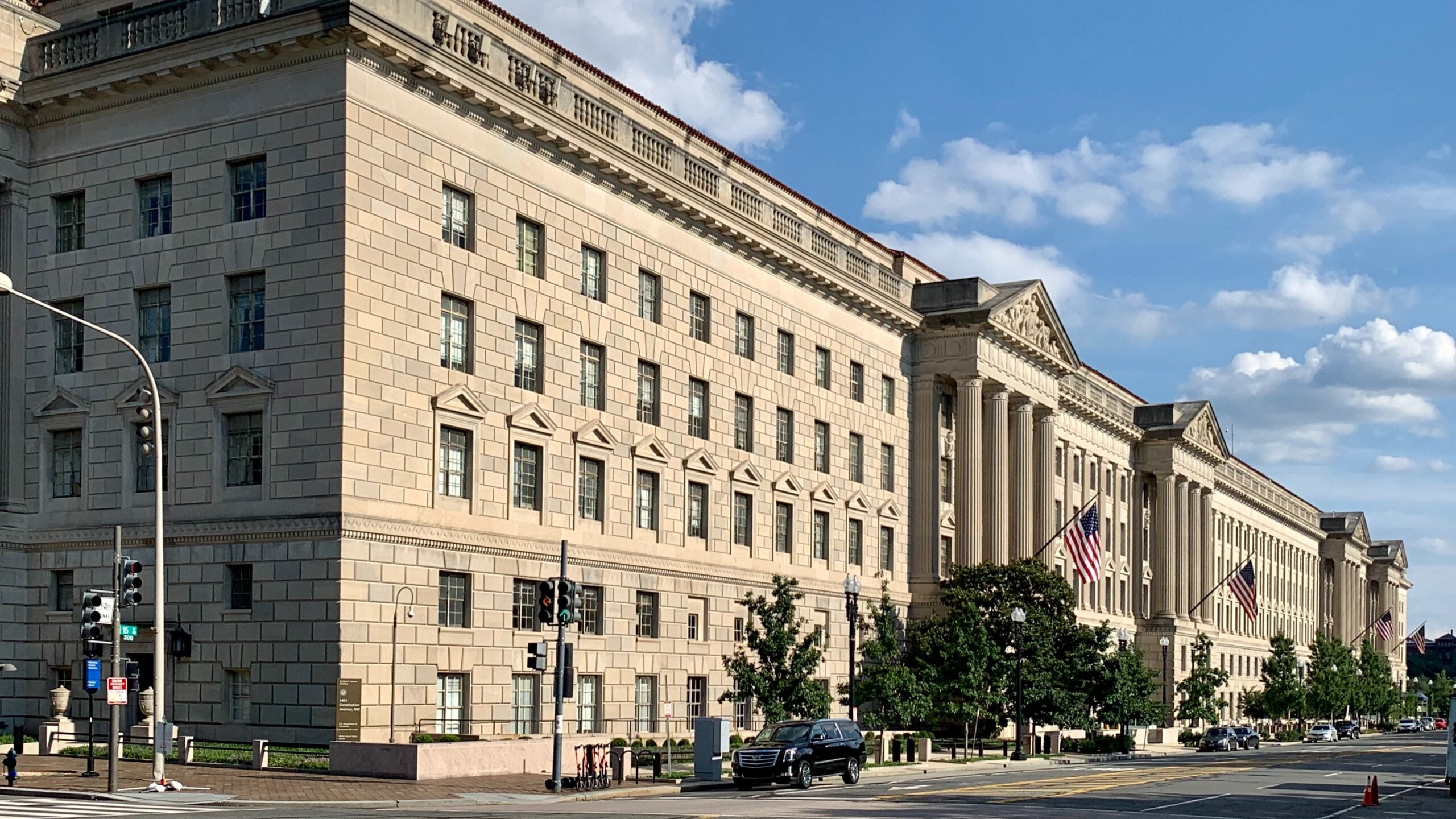
One of the most heavily impacted assets is the Herbert C. Hoover Building in Washington, DC, which serves as a major federal office facility. The GSA has estimated that this single property requires approximately $1.3 billion in repairs. The Hoover Building’s condition and capital needs illustrate the magnitude of the backlog facing key federal workplaces and the scale of investment that would be required to bring such assets to a fully modern standard.
As the administration continues to press for sales of underutilized office properties, the size of the maintenance backlog and the procedural hurdles to addressing it are likely to remain central issues for both policymakers and stakeholders assessing the long-term trajectory of the federal office portfolio.