**Decelerating Employment Growth and Its Impact on Real Estate**
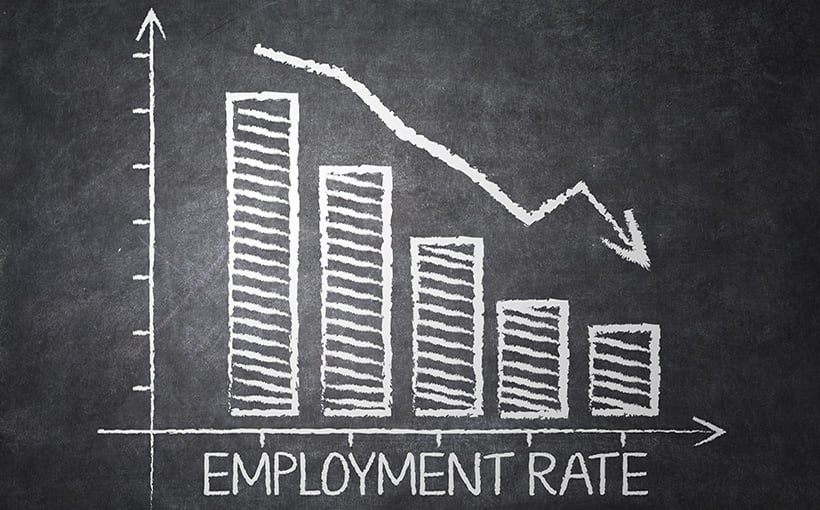
The Bureau of Labor Statistics’ July job report revealed significant downward revisions to the employment numbers for May and June, showing that 258,000 fewer jobs were added to the economy than initially reported. This revision has sparked concern among analysts and investors alike.
According to a recently released brief by Marcus & Millichap, the revised employment figures point to a labor market that is “roughly balanced but clearly slowing.” This shift is also beginning to affect commercial real estate performance in tangible ways.
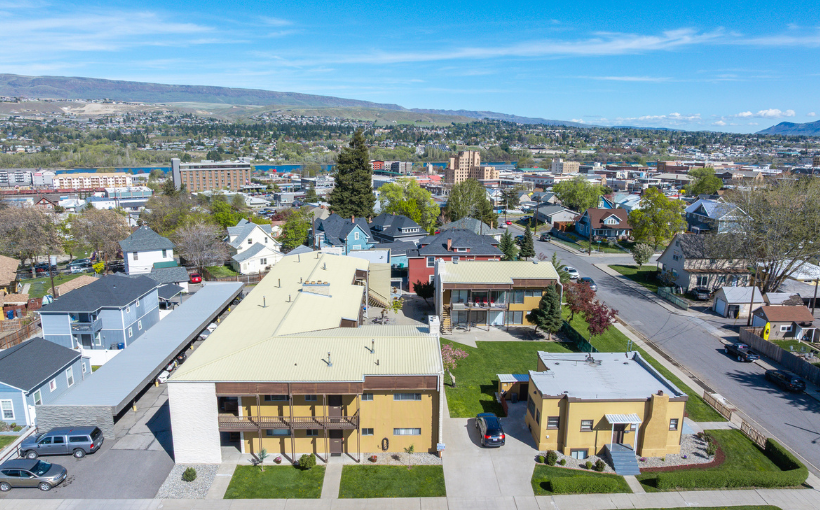
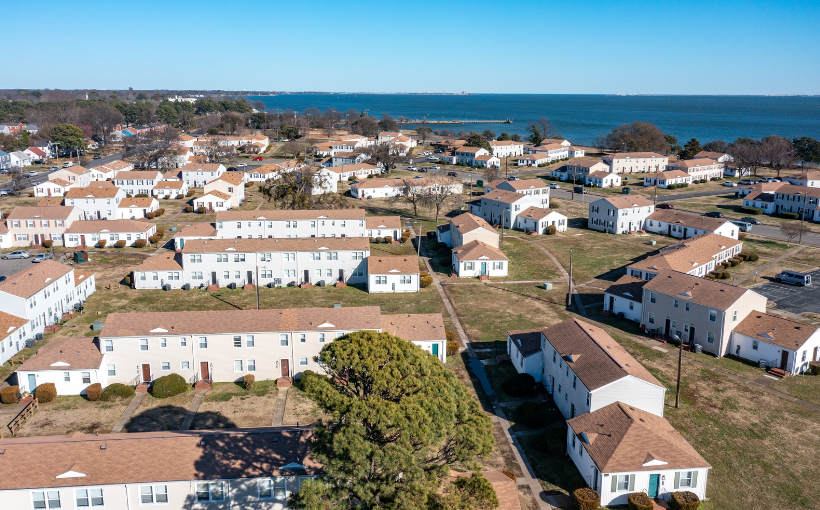
In the multifamily sector, renter demand remained strong through the second quarter, attributed largely to high barriers to homeownership such as elevated home prices and mortgage rates. Analysts explained that the national rental market has shown resilience, having digested an influx of new supply over the past two years. However, they cautioned that a softening labor market might slow household formation in the second half of the year.
For the retail and industrial real estate sectors, the picture is less favorable. The second quarter saw more space relinquished than absorbed, a trend fueled by tenant consolidations and ongoing uncertainty in the economic and trade landscape. Among the two sectors, retail appears stronger due to historically low and declining construction activity, helping maintain a better supply-demand balance.
Amid these challenges, there’s a silver lining. The 3% GDP growth in the second quarter has led Wall Street to lower its expectations for a rate cut in September. Nonetheless, the persistent weakening of the labor market has pushed the likelihood of a September reduction in the Effective Federal Funds Rate to above 80%.
The Marcus & Millichap report concludes that upcoming economic data before the Federal Reserve’s meeting on September 17 could influence future policy decisions, potentially altering the outlook for both labor and real estate markets further.