**Q2 Retail: Absorption in Negative Territory Amid Moveouts and Limited Supply**
The U.S. retail market experienced a challenging second quarter marked by negative absorption, limited supply of quality retail space, and slightly elevated vacancy rates.
These developments come amid what analysts are calling a “recalibration year” for the sector. According to Cushman & Wakefield’s MarketBeat report, the cumulative impact of higher interest rates, inflation, and shifting consumer behavior has driven retail sector headwinds and contributed to several high-profile bankruptcies during the latter part of 2024.
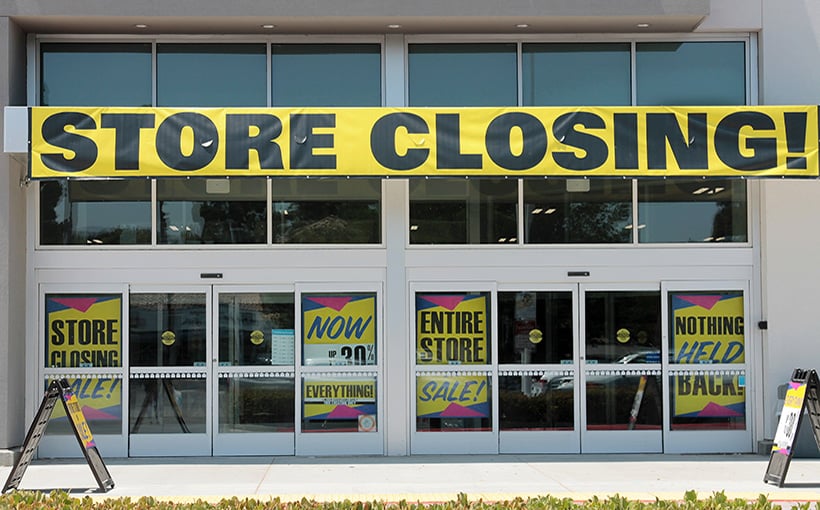
A key factor in the negative absorption is the quality of available spaces. Colliers’ U.S. Retail Market Statistics report noted that much of the unoccupied retail inventory is of lower quality, while tenants increasingly seek modern spaces in affluent areas—spaces that are in short supply. Analysts at Lee & Associates echoed these findings, attributing negative net absorption to a wave of store closures and bankruptcies. Despite the uptick in moveouts, they report strong competition for quality locations, with available space being backfilled at the fastest pace in nearly 15 years.
Another challenge facing the market is limited new supply. High construction and financing costs are slowing the delivery of new, first-generation retail properties. This is particularly evident in growth markets like Texas, where national retailers are actively seeking expansion opportunities but facing few viable options. Cushman & Wakefield added that these cost pressures are especially burdensome when it comes to store fit-outs, and have been a growing concern for retailers navigating today’s market conditions.
Further compounding sector uncertainty are abrupt shifts in tariffs and trade policies, contributing to retailer caution and a more conservative leasing posture.
All three research reports—by Cushman & Wakefield, Colliers, and Lee & Associates—highlight a reduced development pipeline for retail properties, suggesting that constrained new deliveries will continue limiting vacancy rates into the foreseeable future. Cushman & Wakefield analysts suggest that cost constraints will restrict new space availability until broader economic conditions provide greater clarity.
Looking forward, Colliers predicts a continued slowdown in rent growth in the near term due to the influx of space created by recent store closures. However, they also believe the tight supply and low overall availability will drive fast absorption of quality space in many markets.
Despite the current challenges, the long-term outlook suggests opportunities for landlords with well-located, high-quality retail assets, as the market continues to adapt to a new post-pandemic consumer and retail dynamic.