**Q2 Retail: Absorption in Negative Territory Amid Moveouts and Limited Supply**
The U.S. retail sector faced challenging conditions in the second quarter of 2025, characterized by negative absorption, tight supply, and slightly elevated vacancy rates.
According to Cushman & Wakefield’s MarketBeat report, the sector was expected to recalibrate in 2025, following the cumulative impact of higher interest rates, inflation, and changing consumer behavior. These factors created headwinds across the industry, contributing to several high-profile corporate bankruptcies at the end of 2024.
Colliers’ US Retail Market Statistics report noted that much of the remaining available retail space is of lower quality, making it less attractive to tenants seeking modern locations in affluent areas. This mismatch between supply and tenant expectations has been a key driver of negative absorption.
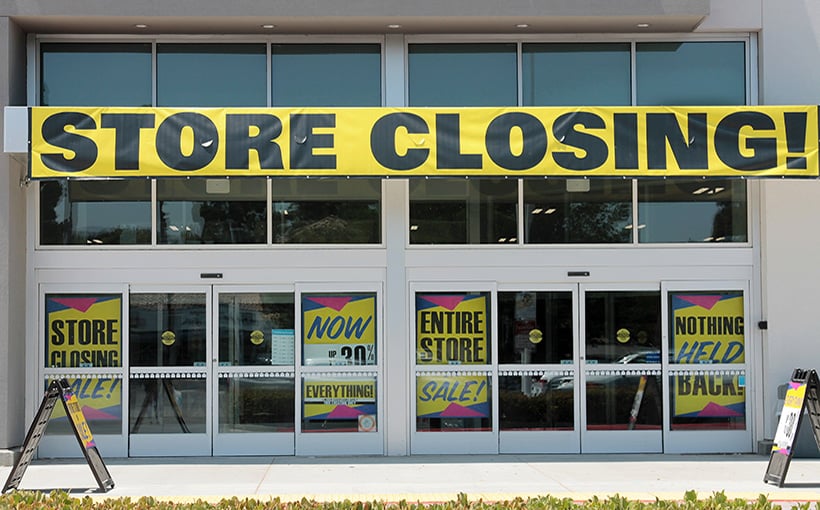
Lee & Associates offered further insight, attributing net negative absorption to bankruptcies and store closures. Despite these vacancies, there remains strong competition for high-quality retail space. Analysts at Lee & Associates highlighted that desirable properties are being leased at the fastest rate seen in nearly 15 years.
A major contributing factor to the constrained supply is the escalating cost of real estate development. Colliers analysts emphasized that high costs and limited financing options are curtailing the availability of first-generation retail space. This is particularly evident in rapidly growing markets such as Texas, where national retailers are actively seeking to expand but face limited options.
Cushman & Wakefield echoed these concerns, pointing out that rising real estate and store fit-out costs are a growing burden for retailers. On top of that, uncertainty around tariffs and shifts in trade policy are also influencing a more cautious approach to leasing among retail tenants.
With a smaller development pipeline and fewer new deliveries projected, all three research firms anticipate that supply constraints will continue to shape the retail market. Cushman & Wakefield warns that future deliveries could be further restricted by development costs, thereby maintaining current vacancy rates until broader economic clarity is achieved.
Looking ahead, rent growth is forecasted to slow in the coming quarters due to an influx of space from store closures. However, Colliers analysts suggest that given the limited availability of quality space, much of this retail inventory is likely to be leased quickly after becoming vacant.
In summary, despite the current challenges of negative absorption and limited supply, demand for high-quality retail space remains resilient, reflecting the ongoing push by tenants to secure premium locations in a rapidly evolving market.