**Decelerating Employment Growth and Real Estate Consequences**
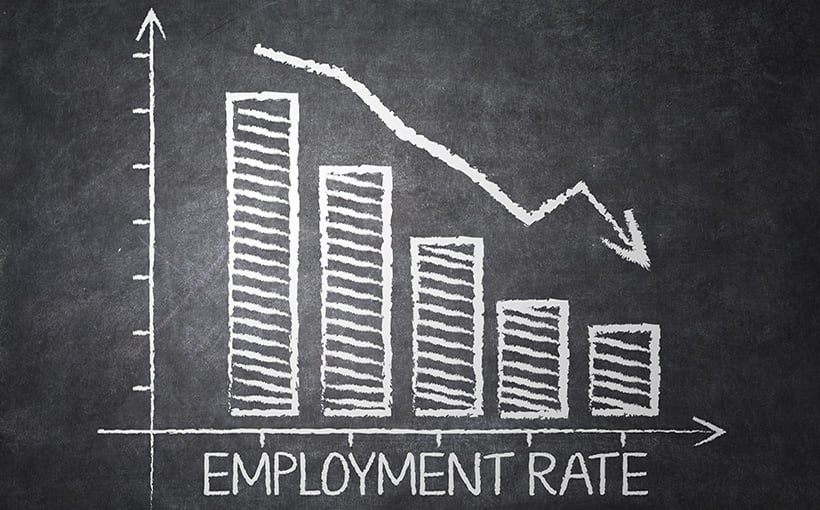
A recent employment report from the Bureau of Labor Statistics (BLS) has stirred concern among economists and market watchers. The July jobs report included significant downward revisions to May and June’s employment numbers, revealing that 258,000 fewer jobs were added than originally estimated.
According to a recent brief by Marcus & Millichap, these adjustments point to a labor market that is “roughly balanced but clearly slowing.” The moderation in hiring activity is beginning to impact commercial real estate dynamics.
In the multifamily sector, renter demand remained strong through the second quarter. Marcus & Millichap analysts attribute this resilience to continued barriers to homeownership, including high purchase prices and elevated mortgage rates. Additionally, the national rental market appears to have absorbed the influx of new supply delivered over the past two years. However, the brief cautions that a weakening labor market could put a damper on this trend by potentially slowing household formation as the year progresses.
Elsewhere in commercial real estate, both the retail and industrial sectors saw more space relinquished than absorbed in Q2. This trend is largely driven by tenant space consolidation and hesitancy stemming from economic uncertainty and unstable trade conditions. Of the two sectors, retail is currently better positioned in terms of supply and demand, due to historically low levels of new construction.
On a brighter note, stronger-than-expected GDP growth in the second quarter—coming in at 3%—has led Wall Street to reduce expectations of an interest rate cut at the Federal Reserve’s upcoming meeting. However, the softening labor market has raised the odds of a rate cut at the Fed’s September 17 meeting to over 80%.
Marcus & Millichap noted that additional economic data will emerge prior to the September meeting, which could ultimately shift the outlook further.
— Connect CRE