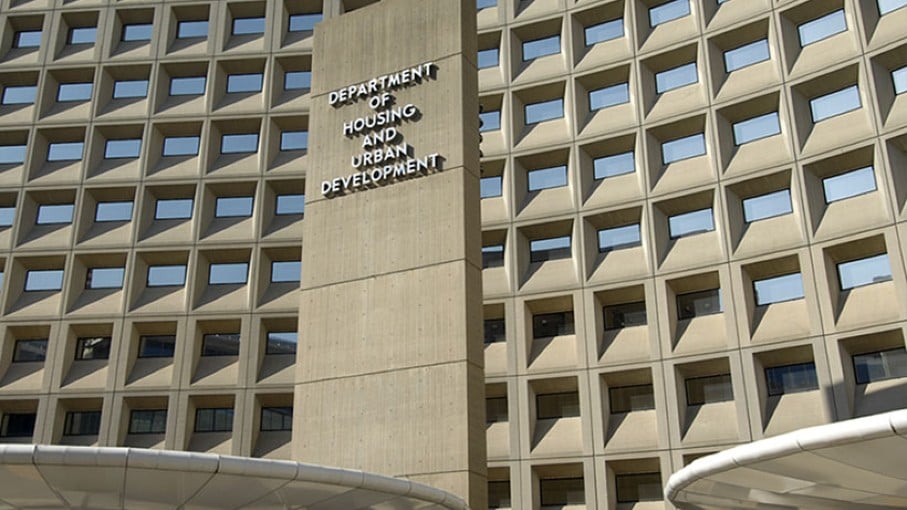
Walker & Dunlop reports that HUD-insured financing is gaining renewed traction following a period of market volatility and slower development activity, as borrowers place a premium on long-term certainty and stability in their capital stacks. The firm highlights that more sponsors are turning to HUD as they evaluate options in an environment where many traditional capital sources remain highly selective.
According to Walker & Dunlop’s newly released outlook on HUD financing, recent operational improvements within the HUD platform are contributing to faster and more predictable executions. These enhancements are helping borrowers better underwrite timing and process risk, factors that have become increasingly important as projects work through complex capital structures and upcoming maturities.
Sheri Thompson, executive vice president and head of Affordable Housing at Walker & Dunlop, notes that HUD’s role in the current capital markets has expanded as borrowers navigate a challenging environment. She points to increased demand from clients dealing with loan maturities and layered capital stacks, where securing reliable takeout financing can be difficult. In this context, HUD’s structure is now enabling transactions that, under current market conditions, might not otherwise be financially feasible.
Thompson adds that recent policy updates are improving the execution process by trimming unnecessary environmental requirements, reducing related costs, and shortening overall timelines. These changes are designed to streamline the path to closing, making HUD financing more competitive with other forms of debt and more attractive to multifamily and seniors housing investors seeking durable, long-term leverage.
The Walker & Dunlop report, titled “Modernization, Competitiveness, and Strategic Opportunity,” frames these changes within HUD’s broader modernization efforts. It follows HUD’s release of a Mortgagee Letter aimed at cutting friction and improving execution for FHA-insured transactions. The guidance is intended to refine how deals are processed and approved, enhancing the consistency and predictability that borrowers and lenders require when committing to long-duration debt.
By reducing procedural hurdles and sharpening loan economics, HUD is positioning its FHA-insured programs as a more viable solution in the capital stack for multifamily and seniors housing projects. The combination of operational efficiencies and policy shifts is reinforcing HUD’s status as a competitive financing option at a time when borrowers are seeking dependable, long-term capital in a selective market.