**Planting, Pruning, Paving and Protecting: The Importance of Multifamily Landscaping**
There’s no shortage of effort required to successfully manage multifamily properties. From keeping the units updated to maintaining amenities and handling maintenance requests, property managers have a full plate. And among these responsibilities, landscaping is a critical, yet sometimes overlooked, aspect of multifamily property health and tenant satisfaction.
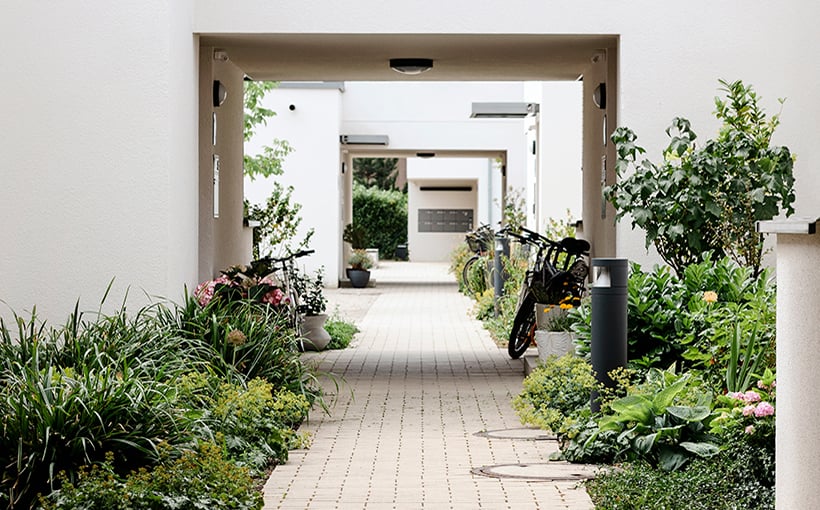
Multifamily landscaping encompasses all outdoor softscapes and hardscapes designed for the use and enjoyment of multiple residents. This includes front areas, entryways, courtyards, shared lawns, pet areas, and garden walls, explained Dotan Trabulsi, Founder and COO of Optimal Home Remodeling & Design.
But this isn’t just about planting trees or laying sod. Experts agree that landscaping provides important functional and aesthetic value that supports both operational efficiency and tenant retention.
“In a multifamily environment, landscaping addresses drainage, soil stabilization, shade, sound attenuation, and circulation,” said Karen Watts, a residential rental real estate owner-operator. “Think of it as an exterior operating system where every plant, path, or paver must serve both practical and visual purposes.”
**Why Landscaping Matters**
The importance of landscaping goes beyond simple beautification. According to Diana Pittro, Executive Vice President of RMK Management Corp., landscaping plays a critical role in shaping the first impressions of a property.
“A trashy, unkempt site is immediately noticeable and creates a negative perception within the community,” Pittro noted. This can lead to complaints from neighbors or municipal officials, further complicating property management. More critically, potential renters aren’t easily fooled—if the landscaping looks neglected in person, no amount of polished online photos can compensate.
“Curb appeal is the first impression you get to make,” Pittro said. “So try to make it positive.”
Beyond appearance, smart landscaping can lead to operational savings. “Good landscape placement can help mitigate heat gain or loss and reduce HVAC expenses,” Watts added. “The return on investment builds over time, like any effective maintenance strategy.”
A well-maintained outdoor space also enhances community pride, safety, and tenant satisfaction. According to Trabulsi, “A well-maintained exterior not only attracts new renters but also helps retain existing tenants, reducing turnover costs.”
**Maintenance is Key**
It’s not enough to invest in beautiful landscaping—ongoing upkeep is essential to maximize its benefits. At RMK properties, Pittro said teams conduct thorough spring cleanings to recover from harsh Midwestern winters. This includes refreshing sidewalks, parking areas, entrances, flower beds, and potted planters.
In terms of design, Trabulsi suggested incorporating vertical green walls, sensory features, and segmented landscape zones to support resident interaction and engagement.
However, maintaining landscaping is not solely a visual concern. “Erosion, over-watering, and grading issues can undermine structural components like foundations, paving, and retaining walls,” Watts warned. “These issues can lead to expensive repairs.”
Pittro echoed the point, emphasizing the importance of prompt action when damage appears. “If downed branches, damaged grass, wilting shrubs, or cracked pavers aren’t addressed immediately, this can lead to more extensive damage and increased costs for owners.”
Effective multifamily landscaping isn’t just a luxury—it’s an integral part of property management that enhances curb appeal, conserves energy, improves tenant satisfaction, and protects asset value. It’s about planting, pruning, paving, and, most importantly, protecting.
*This article originally appeared on ApartmentBuildings.com.*