**Planting, Pruning, Paving, and Protecting: The Importance of Multifamily Landscaping**
There’s no shortage of responsibilities when it comes to managing multifamily properties: keeping units fresh, ensuring the safety of amenities, handling maintenance issues, and tracking rent payments. But beyond these internal concerns lies another critical component of property management—landscaping.
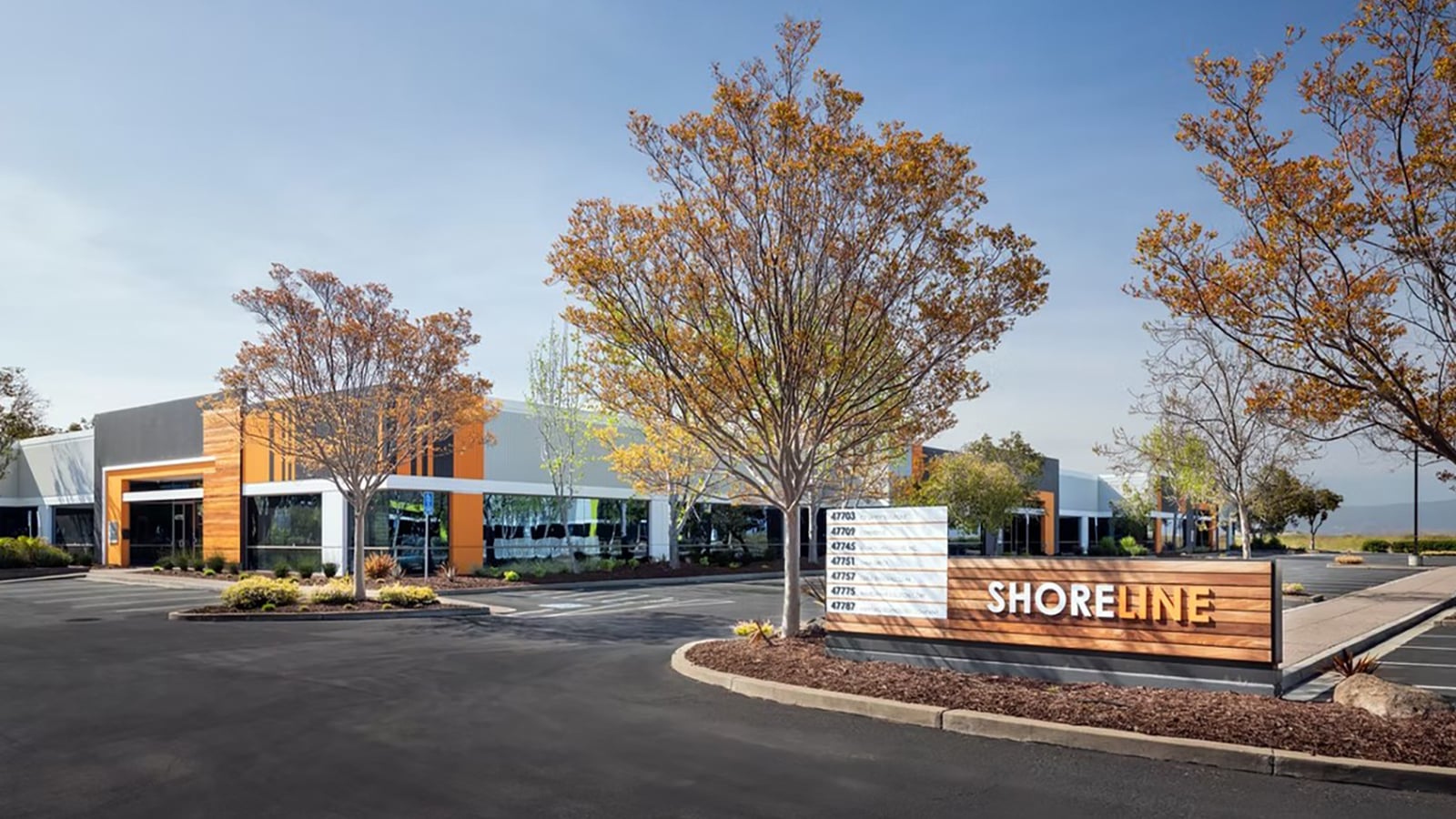
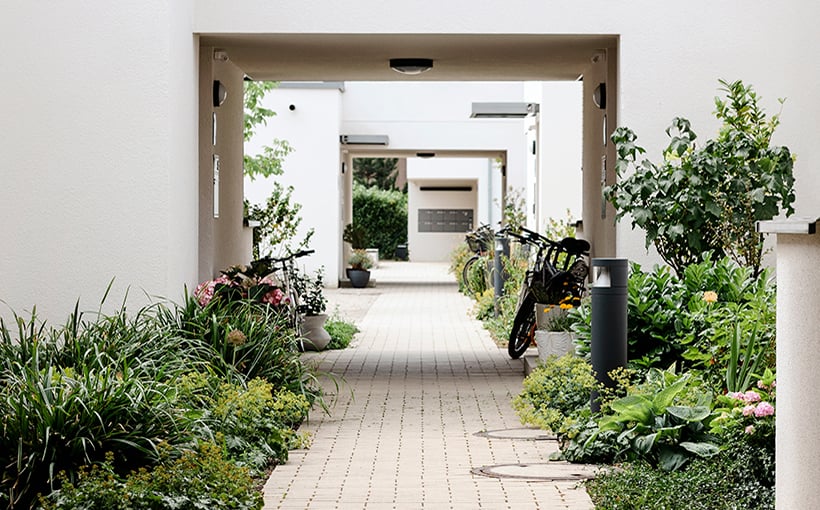
Multifamily landscaping encompasses all outdoor softscapes and hardscapes that serve several residents. This includes front areas, entryways, courtyards, shared lawns, pet areas, and garden walls. Dotan Trabulsi, Founder and COO of Optimal Home Remodeling & Design, emphasizes that proper landscaping is more than a matter of adding trees and sod—it’s a strategic asset that contributes to tenant satisfaction and overall property health.
“In a multifamily environment, landscaping supports drainage, soil stabilization, shade, sound attenuation, and circulation,” said Karen Watts, a residential rental real estate owner-operator. She likens landscaping to an exterior operating system, where every plant, path, or paver must fulfill both an aesthetic and functional purpose.
### Is It Really Necessary?
According to experts, the answer is a resounding yes. Thoughtful landscaping performs several vital functions, starting with curb appeal. “A trashy, unkept site will be noticed right away and will establish a negative perception in the community,” said Diana Pittro, Executive Vice President of RMK Management Corp. Poor curb appeal can even result in local complaints and deter prospective renters, regardless of how polished the property website may look.
“Curb appeal is the first impression you get to make,” Pittro added. “So try to make it positive.”
Aside from visual appeal, a well-placed landscape design can reduce energy usage. “Good landscape placement can help mitigate heat gain and loss and lower HVAC costs,” said Watts. “Like all good maintenance, the ROI accrues over the years.”
In addition to driving pride, safety, and visual quality, strong landscaping efforts also help with tenant retention. “A well-maintained exterior not only attracts new renters but also helps retain existing tenants, reducing turnover costs,” said Trabulsi.
### Maintenance Matters
Installing landscaping features is just the beginning—ongoing maintenance is where value is preserved. Pittro shared that RMK Management performs an extensive spring cleaning across its properties each year. After harsh Midwestern winters, this process includes refreshing sidewalks, parking areas, and entrances, replanting flower beds, and refreshing potted plants.
Trabulsi suggests incorporating vertical green walls and gardens, segmenting grounds into smaller sections, and adding sensory elements to enhance resident interaction.
Importantly, proper landscape upkeep protects the property itself. Watts points out that issues like erosion, overwatering, and poor grading can damage foundations, paving, and retaining walls. “These are expensive repairs,” she warned.
Pittro agreed, noting that neglecting downed branches, wilting shrubs, or cracked pavers can result in more severe damage and increased repair costs. “Failing to address these issues immediately can lead to extensive damage,” she said.
Thoughtful, proactive landscaping is more than an aesthetic upgrade—it’s a long-term investment in property value, efficiency, safety, and resident satisfaction.
*This article originally appeared on ApartmentBuildings.com.*