A Boston-based construction management firm has rolled out an initiative it calls Jobsite of the Future, introducing an AI-enabled operating model aimed at changing how construction projects are managed across the country. The company describes the model as a first-of-its-kind approach that integrates artificial intelligence directly into day-to-day project execution rather than treating it as a separate support function.
Under the Jobsite of the Future framework, active project teams are supported by AI Engineers who work alongside traditional construction staff. These specialists are embedded within project operations to help interpret real-time information, support decision-making, and identify efficiencies in the way work is planned and executed. The goal is to more systematically apply data and AI tools to reduce friction in project delivery.
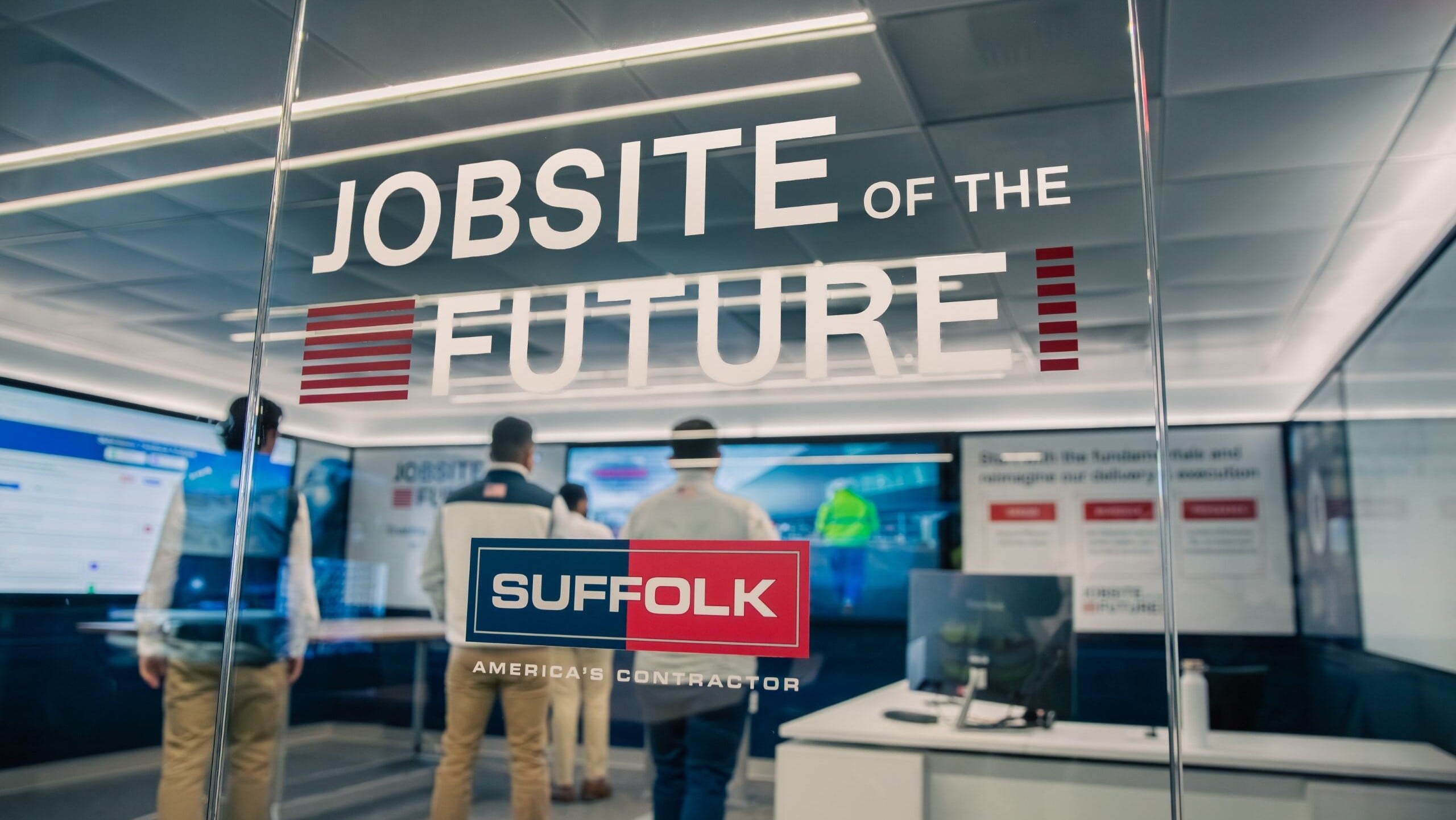
The model is organized around dedicated innovation workspaces set up onsite at individual jobs. These workspaces are equipped with advanced AI tools and connected to live project data, which the embedded AI Engineers manage and analyze. By placing these capabilities directly on the jobsite, the company aims to bring data-driven insights closer to field teams, where schedule, design, and process decisions are made.
According to the firm, the AI Engineers concentrate on three core areas where artificial intelligence is expected to have the greatest impact on the built environment: design, schedule, and process. In design, they apply AI-enabled tools to support more informed choices early in the project lifecycle. On scheduling, they use real-time data to help teams anticipate and address bottlenecks. On process, they look for opportunities to streamline workflows and reduce operational inefficiencies.
Company leadership characterizes Jobsite of the Future as a major strategic commitment. Chairman and CEO John Fish described it as the firm’s boldest investment to date, positioned as a response to rising construction costs, persistent labor shortages, and declining productivity. He framed the initiative as a way to alter the current trajectory of the construction industry by harnessing artificial intelligence and data more systematically.
Fish also underscored the long-term ambition behind the program, suggesting the model is intended not just to improve individual projects but to influence how construction is delivered nationwide. By embedding AI capabilities within project teams and jobsite workspaces, the firm aims to establish a repeatable operating model it believes can help redefine how projects are built in the United States for years to come.