Construction activity in Seattle is gaining momentum even as cost pressures remain, according to the latest Seattle Construction Cost Index from Mortenson. The report finds that cost escalation in the market has moderated compared with many other U.S. cities, but it also underscores that the environment for building remains complex for owners, developers and contractors. Mortenson’s analysis focuses on Puget Sound construction costs and highlights both improving fundamentals and ongoing constraints affecting project delivery.
One of the key findings is a 13% increase in construction starts in March, signaling renewed project momentum entering the second quarter of 2026. This uptick in starts indicates that more projects are moving from planning to execution, reflecting confidence among project sponsors despite lingering cost concerns. The report suggests that this growth in starts is an important indicator of how the regional pipeline is translating into actual on-the-ground activity.
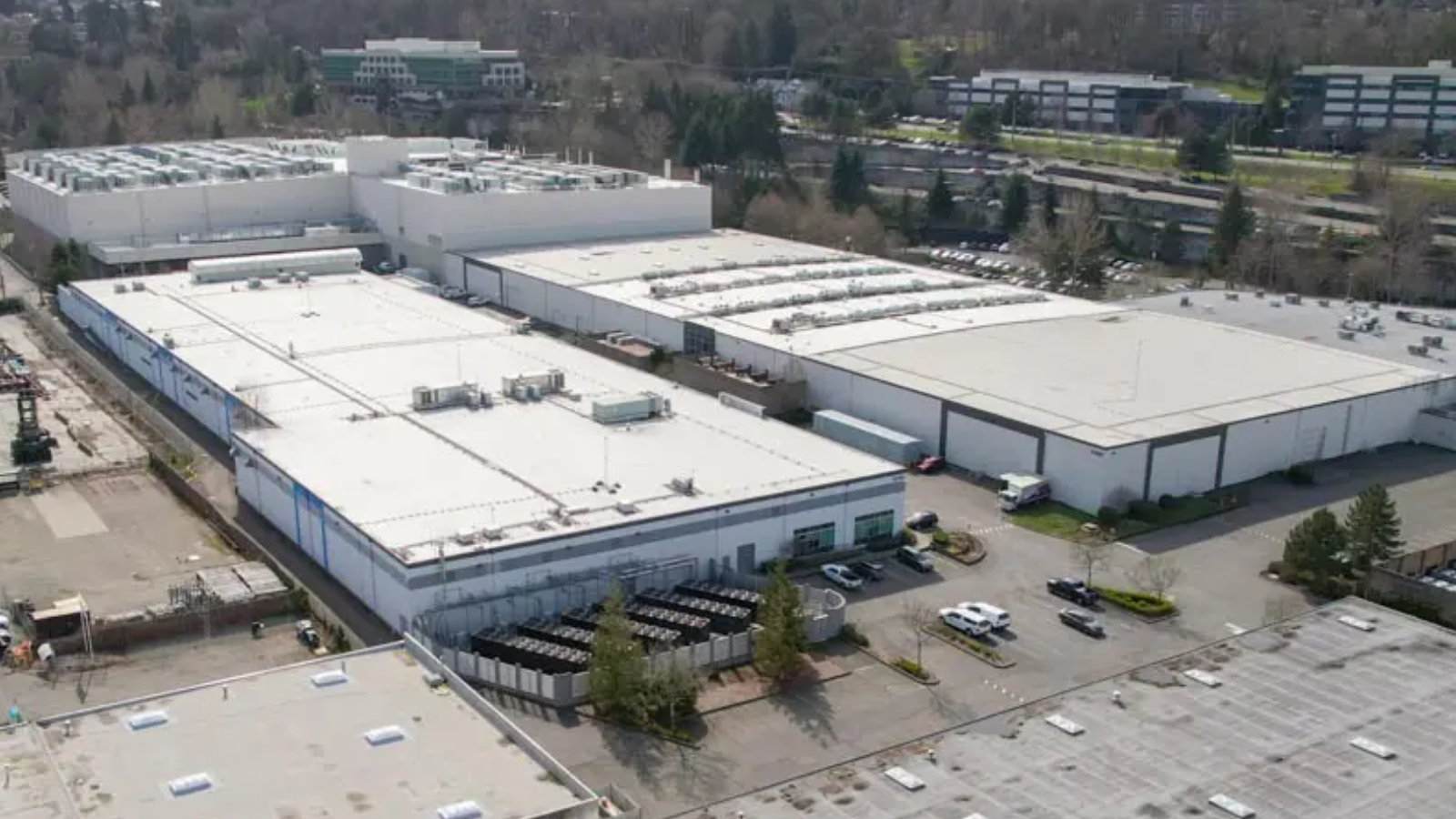
Mortenson notes that planning activity remains strong across several sectors, including data centers, healthcare, energy and infrastructure. In particular, large-scale infrastructure, energy and data center projects are playing an outsized role in shaping the Puget Sound construction landscape. These capital-intensive projects affect everything from pricing to procurement strategies, and they can influence schedule certainty for both large institutional programs and smaller commercial projects.
While broader labor and supply-chain conditions have improved considerably in recent years, they have not fully normalized. The report indicates that trade-partner pricing and materials costs continue to rise, although increases are occurring at a more moderate pace than in prior years. This moderation offers some relief to project budgets, but does not equate to flat or declining costs. As a result, many projects still require careful cost management and contingency planning.
Seattle construction employment has largely stabilized following a period of workforce fluctuations. A more stable labor market can help support predictable scheduling and reduce some execution risk. However, continued demand from data centers and large infrastructure efforts means key skilled trades remain in high demand, and contractors must still compete aggressively to secure the workforce needed for complex projects.
Even with stabilized employment and moderating escalation, Mortenson flags several persistent challenges. Electrical equipment constraints and power-distribution issues remain significant headwinds, particularly for power-intensive facilities such as data centers and major infrastructure work. In addition, tariffs and metal-related pricing pressures continue to weigh on budgets, complicating procurement strategies and potentially extending timelines for securing specialized materials.
For owners and developers active in the Puget Sound region, the report’s findings point to a market where construction activity is robust but still subject to supply-side friction. Strong planning pipelines in data centers, healthcare, energy and infrastructure, combined with moderate yet ongoing cost increases and equipment bottlenecks, suggest that successful projects will be those that incorporate flexible procurement strategies, realistic schedules and close coordination with trade partners to manage volatility.