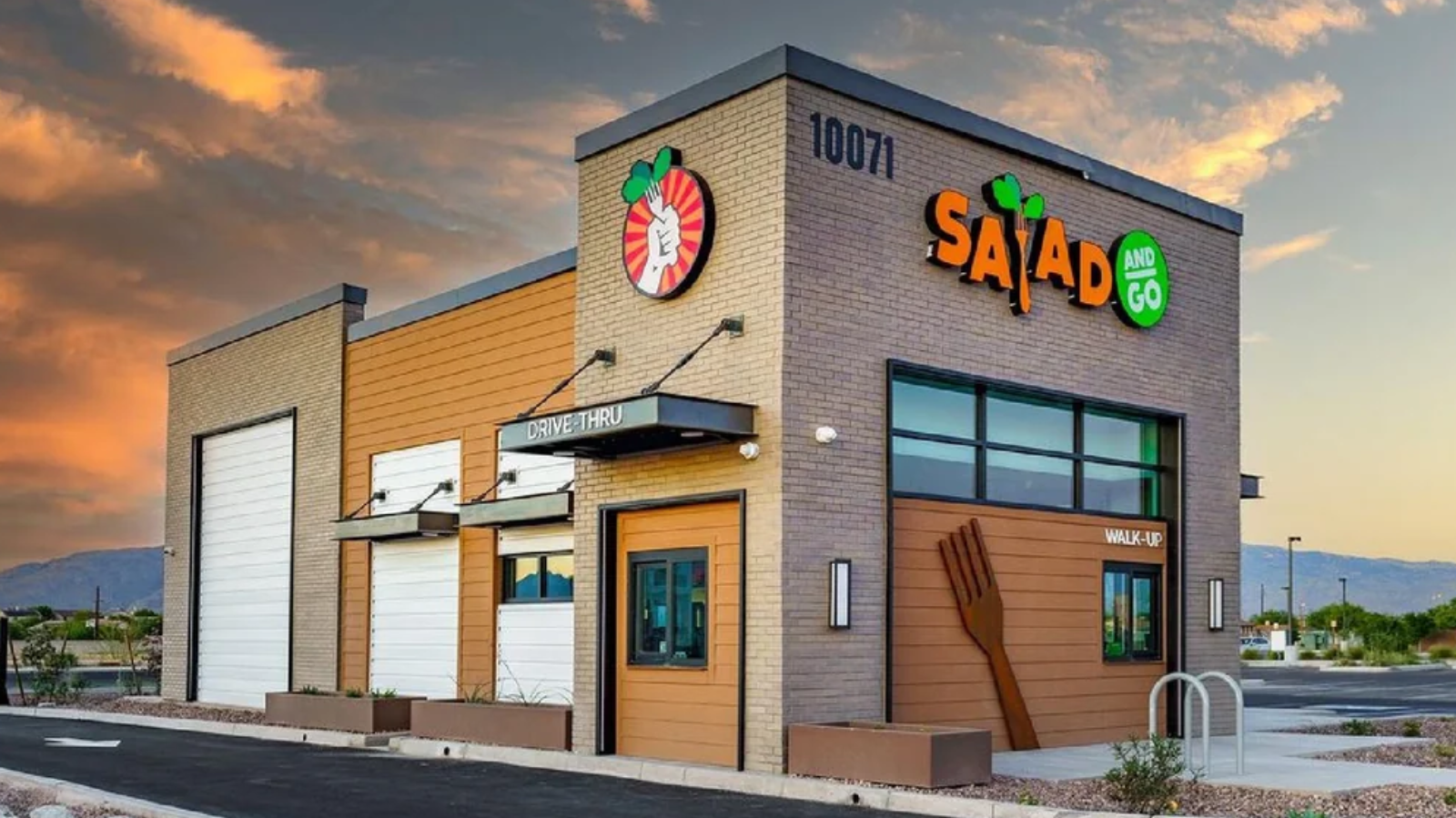
Salad and Go, a made-to-order fast-casual concept known for salads, wraps, and breakfast offerings, has filed for Chapter 11 bankruptcy and announced the immediate closure of all of its Arizona locations. The brand, which was founded in Gilbert, operated more than 60 stores across the state and ran a large distribution center on 27th Avenue in Phoenix.
The company disclosed that every location in Arizona will cease operations at once, effectively shuttering its in-state retail footprint alongside the supporting distribution facility. Salad and Go had already been winding down operations, with a pattern of steady store closures taking place prior to the latest announcement.
According to the company, its financial distress intensified following a Cyclospora-related scare that pressured the broader food industry in July. Salad and Go emphasized in a public statement that it was not implicated in the Cyclospora outbreak, but said the event weakened consumer confidence across the sector and compounded the company’s existing challenges.
Leadership of the brand had already changed hands prior to the bankruptcy. The co-founders of Salad and Go exited the business in 2021 after selling the company to an investment firm. Since that transaction, the company has been operating under new ownership as it navigated a difficult operating environment and mounting financial strain.
In its Chapter 11 filing, Salad and Go indicated that the court-supervised restructuring process is intended to create an organized framework for maximizing the value of its assets and satisfying obligations to stakeholders. The proceeding is expected to address the disposition of the closed Arizona stores and the associated distribution center, along with other corporate assets and liabilities.
The combination of a statewide store shutdown, prior ownership transition, and pressure from industry-wide food safety concerns has brought Salad and Go’s Arizona operations to a halt. The outcome of the Chapter 11 process will determine how its real estate footprint, equipment, and other assets are ultimately repurposed or liquidated, and how obligations to creditors and other counterparties are resolved.