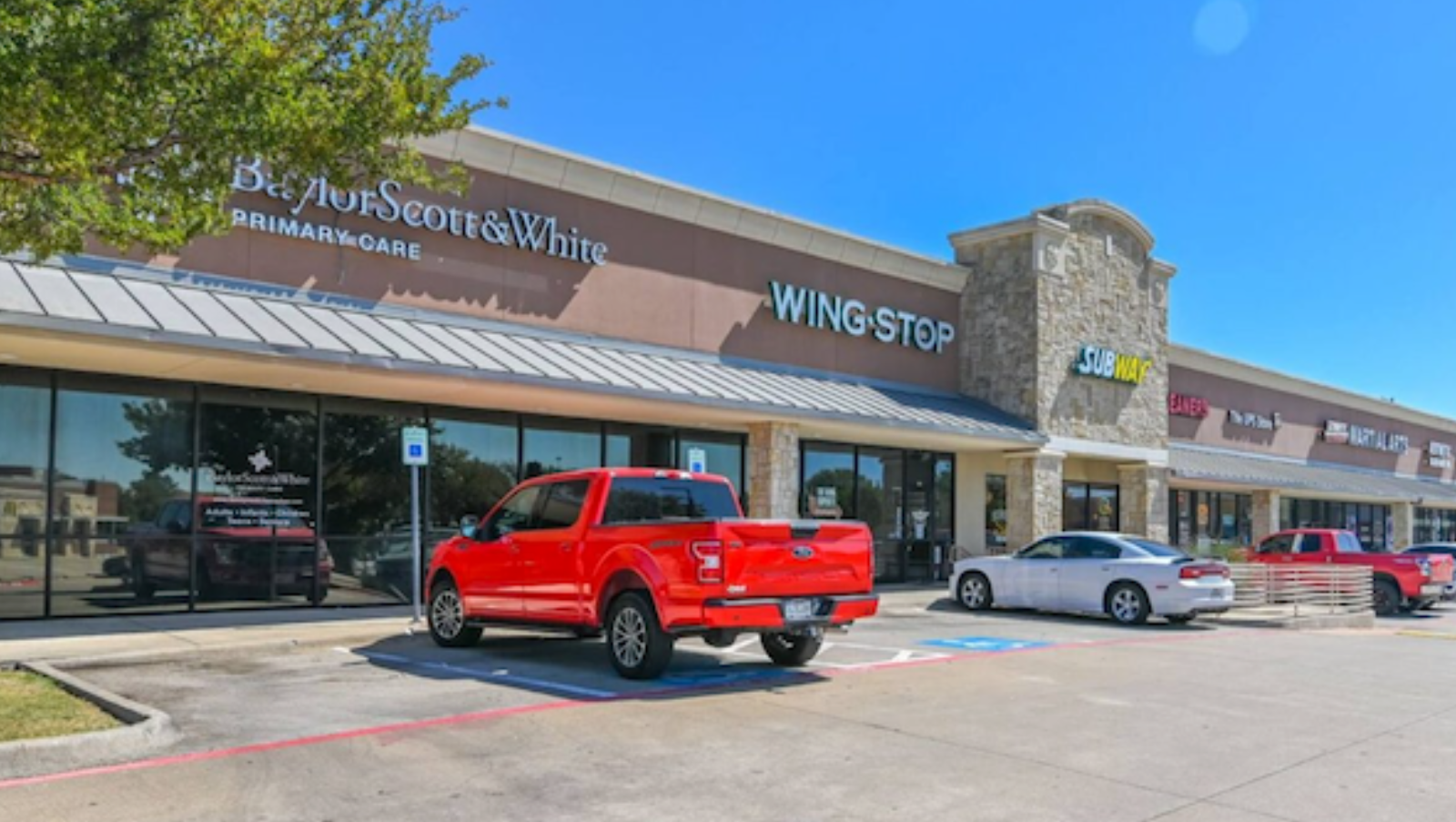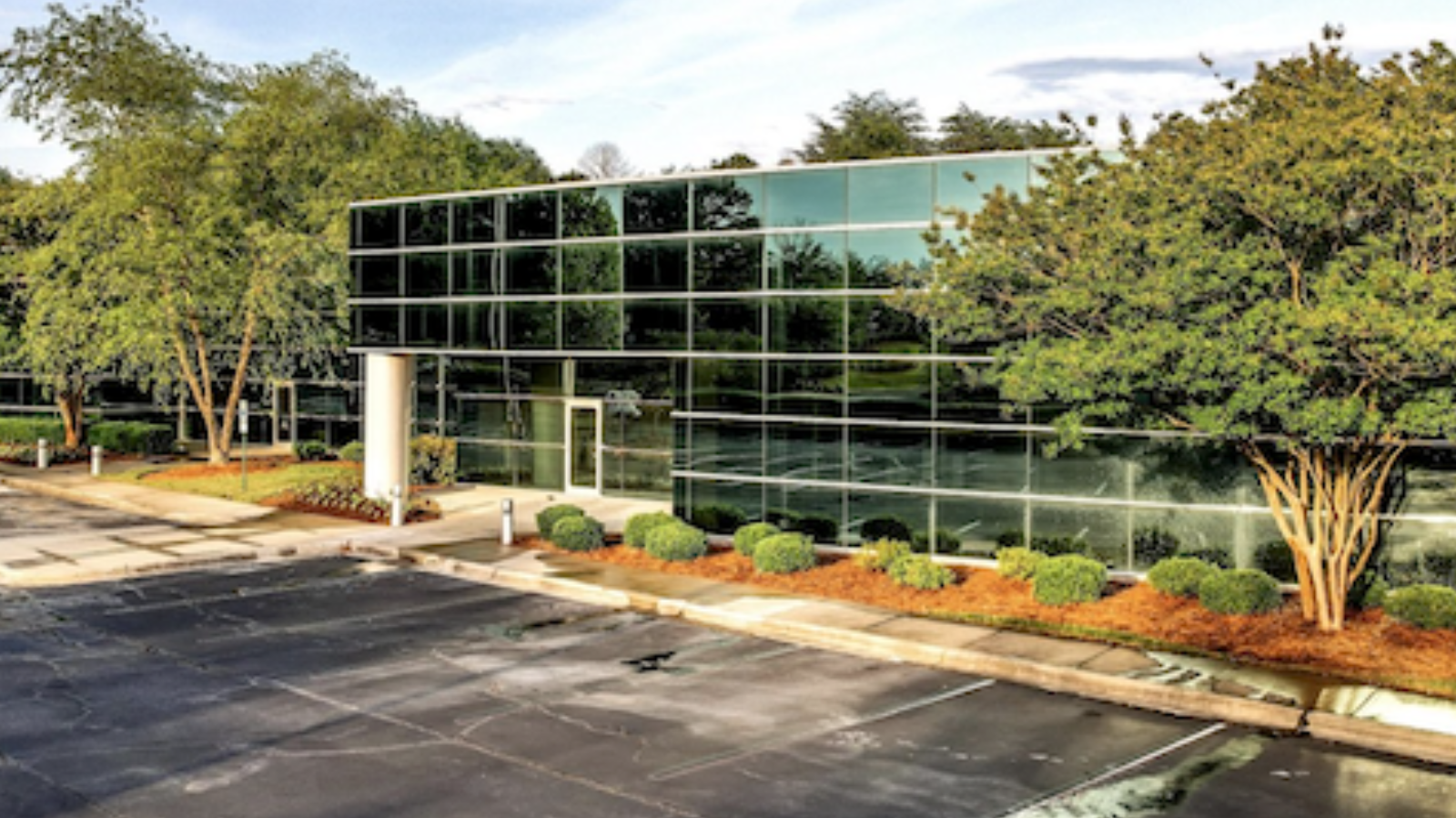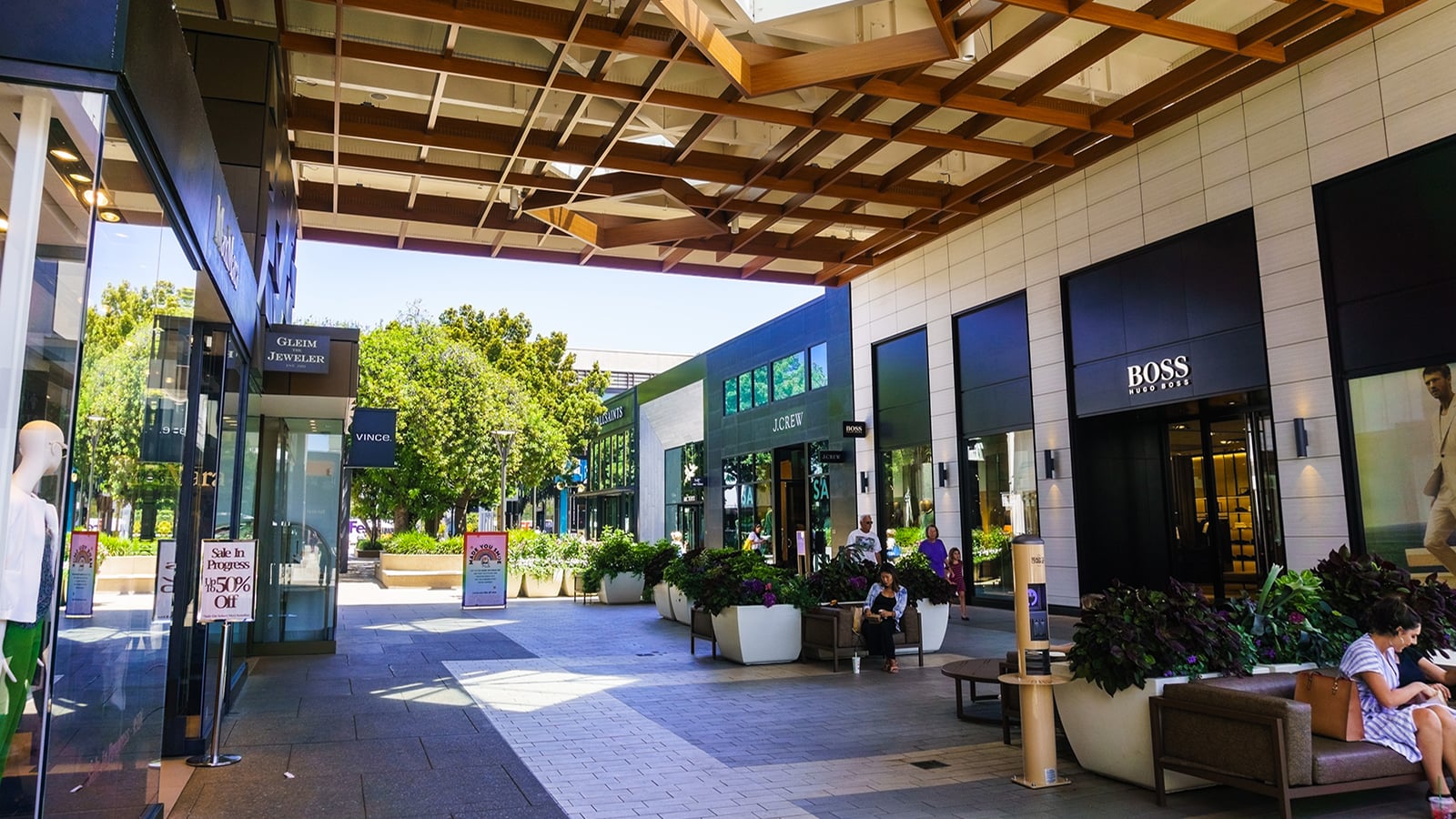
First-quarter 2026 reporting from major brokerages points to a retail sector grappling with negative net absorption despite generally resilient consumer spending. Four of five national reports tracked negative net absorption, with CBRE’s “U.S. Retail Figures” as the lone outlier. CBRE analysts noted that a series of bankruptcy filings drove a wave of store closures, pushing additional space back onto the market.
Those closures are not lingering long, however. Colliers’ “U.S. Retail Figures” report described steady tenant demand and highlighted a clear split in market conditions: small-shop space remains tightly constrained, while availability is more moderate among larger anchor boxes. Backfilling of vacated boxes is proceeding quickly, underscoring how limited new construction has become.
New development continues to trend down. JLL’s “Retail Market Dynamics” tracked 7,800,000 square feet of gross deliveries in Q1 2026, partly offset by 2,600,000 square feet of demolitions concentrated in obsolete department stores and underperforming strip centers. Net new supply for the quarter came to roughly 5,200,000 square feet, reinforcing the narrative of a shrinking pipeline.
Reports from Newmark linked flat rent growth and negative absorption in part to macroeconomic uncertainty. Its “Retail Market Conditions & Trends” study cited consumer sentiment pressured by lingering inflation, job-market concerns and the impact of the Iran conflict on fuel and potentially broader pricing. Even so, Newmark and other firms emphasized that retail sales and consumer spending remain in positive territory.
Cushman & Wakefield’s “MarketBeat” observed that first quarters are typically slower for retail leasing and suggested that severe winter weather may have further muted activity this year. Looking ahead, all of the reports agreed that ongoing supply shortages are likely to keep upward pressure on rents, even as softening consumer sentiment remains a key risk to watch. Cushman & Wakefield added that sustained high oil prices would likely weigh on household budgets and confidence if they persist into the second quarter and beyond.
JLL indicated that the constrained supply environment is unlikely to change meaningfully in the near term and stressed that performance will increasingly hinge on specific locations rather than national averages. The firms broadly agreed that Sun Belt markets are outperforming on retail metrics, supported by population growth, and JLL concluded that portfolio outcomes for the rest of 2026 will depend heavily on market selection.
Colliers expects limited supply and solid demand to continue driving rapid backfilling of vacated space, while Newmark sees no sign that backfill activity is slowing. Newmark also suggested that stagnant, older centers may justify new retail construction in some cases, but high construction costs and rents that do not yet underwrite ground-up projects point instead to opportunities in redevelopment and mixed-use conversions. Such strategies would remove outdated space and ultimately reduce the total retail footprint. Cushman & Wakefield anticipates that most retailers will remain cautious on near-term leasing, but it does not foresee a broad pullback, assuming energy prices ease and the labor market stays relatively healthy.