
The Public Buildings Reform Board has identified additional federally owned real estate in the Greater Washington area as candidates for potential sale or redevelopment, advancing an ongoing initiative to dispose of millions of square feet of underutilized office space nationwide. The move is part of a broader federal effort to rationalize the government real estate footprint and reduce holdings that no longer align with current space needs.
Among the properties singled out in the Washington, D.C. region is Columbia Plaza, a 713,411-square-foot office building at 2401 E St. NW in the Foggy Bottom neighborhood. The building has been placed on a short list of federal assets that have attracted immediate interest from the market, according to reporting by the Washington Business Journal. While no transaction has been announced, inclusion on this list positions Columbia Plaza as a near-term candidate for disposition.
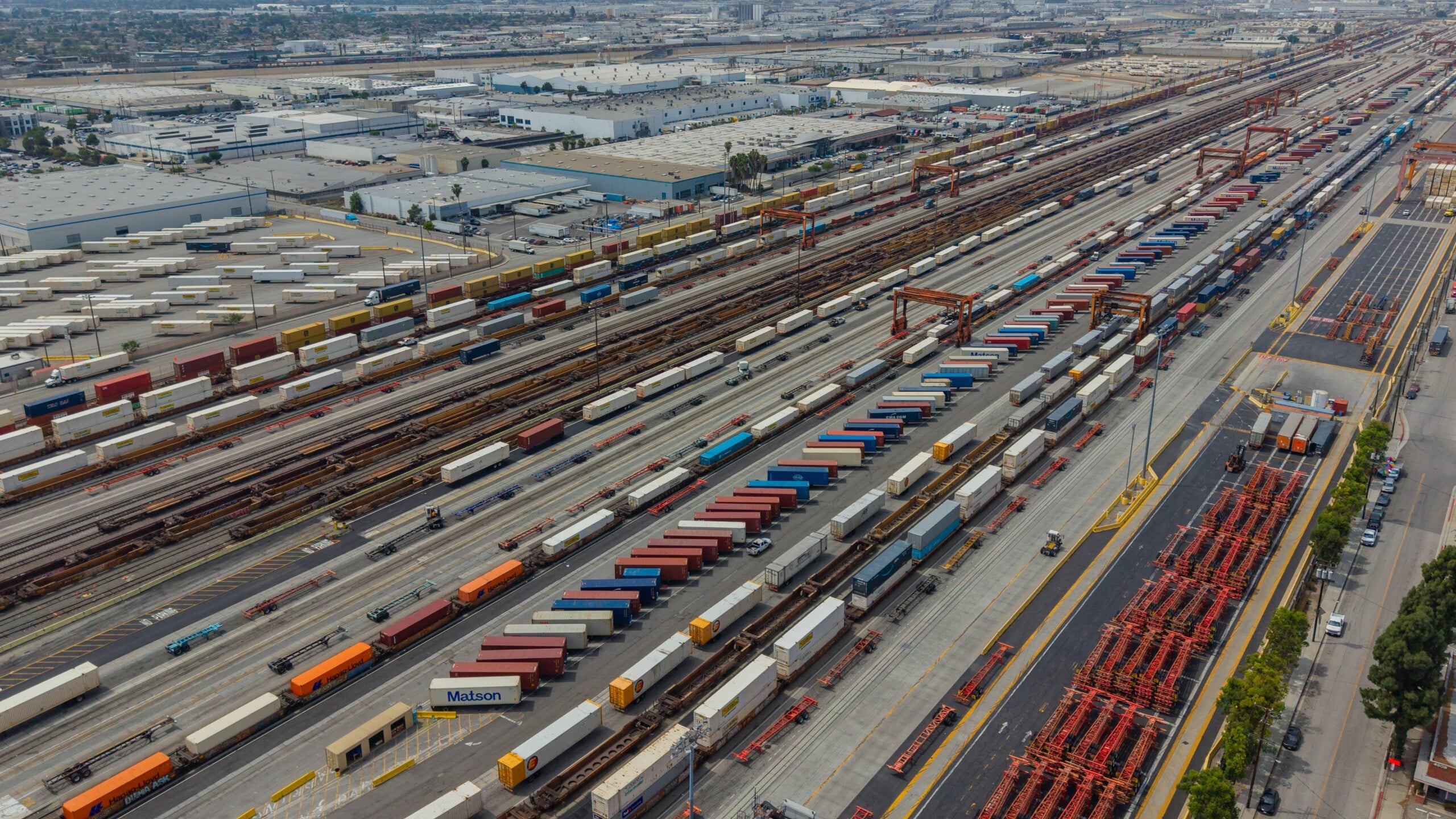
A second property identified by the board is Franconia Warehouse Building B in Springfield, Virginia. The warehouse encompasses 308,483 square feet and is part of a larger complex owned by the U.S. General Services Administration in Fairfax County. That complex also includes a CIA outpost, underscoring the strategic nature of portions of the site even as one of its warehouse components is evaluated for potential sale or repurposing.
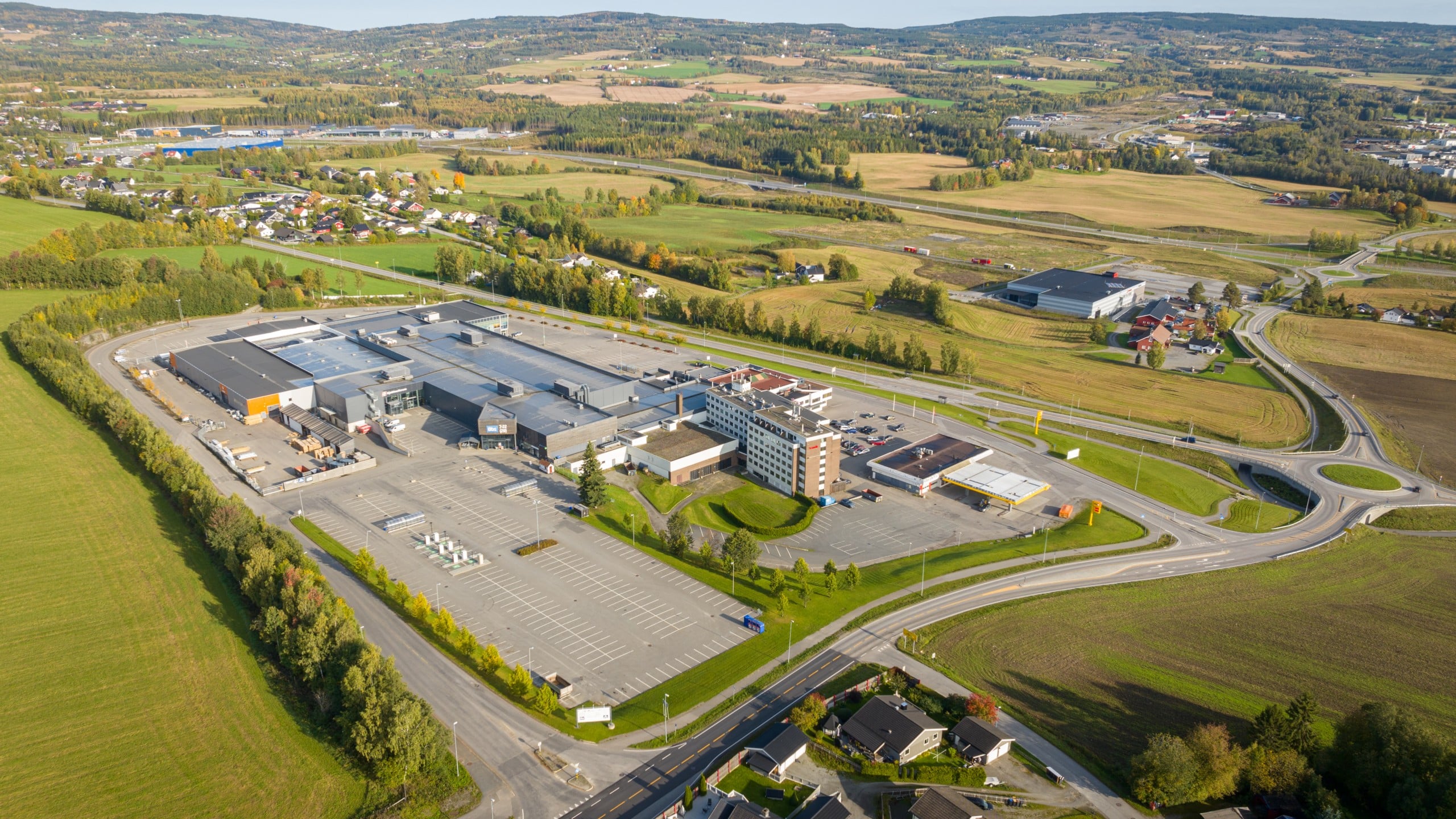
The review also extends to the National Weather Service Sterling Field Support Center at 43741 Weather Service Road in Loudoun County, near Washington Dulles International Airport. The site totals 154 acres and is owned by the U.S. Department of Commerce. It has been identified specifically as a surplus land sale opportunity, suggesting that federal agencies see excess land value at that location beyond their current operational requirements.
Taken together, these moves highlight how federal agencies and oversight bodies are targeting a mix of office, warehouse, and land holdings across the Greater Washington region for potential monetization or redevelopment. The focus on underutilized office space aligns with a national trend in which federal users occupy only a portion of their available workplaces, prompting a reassessment of long-held assets.
For commercial real estate stakeholders, the expanding federal disposition pipeline in the region may introduce large office and industrial assets, as well as sizable land tracts, into the private market. While ultimate timing, pricing, and end uses remain undetermined, these identified properties illustrate the scale of potential federal real estate supply that could influence investment, redevelopment, and land-use decisions around the nation’s capital.