
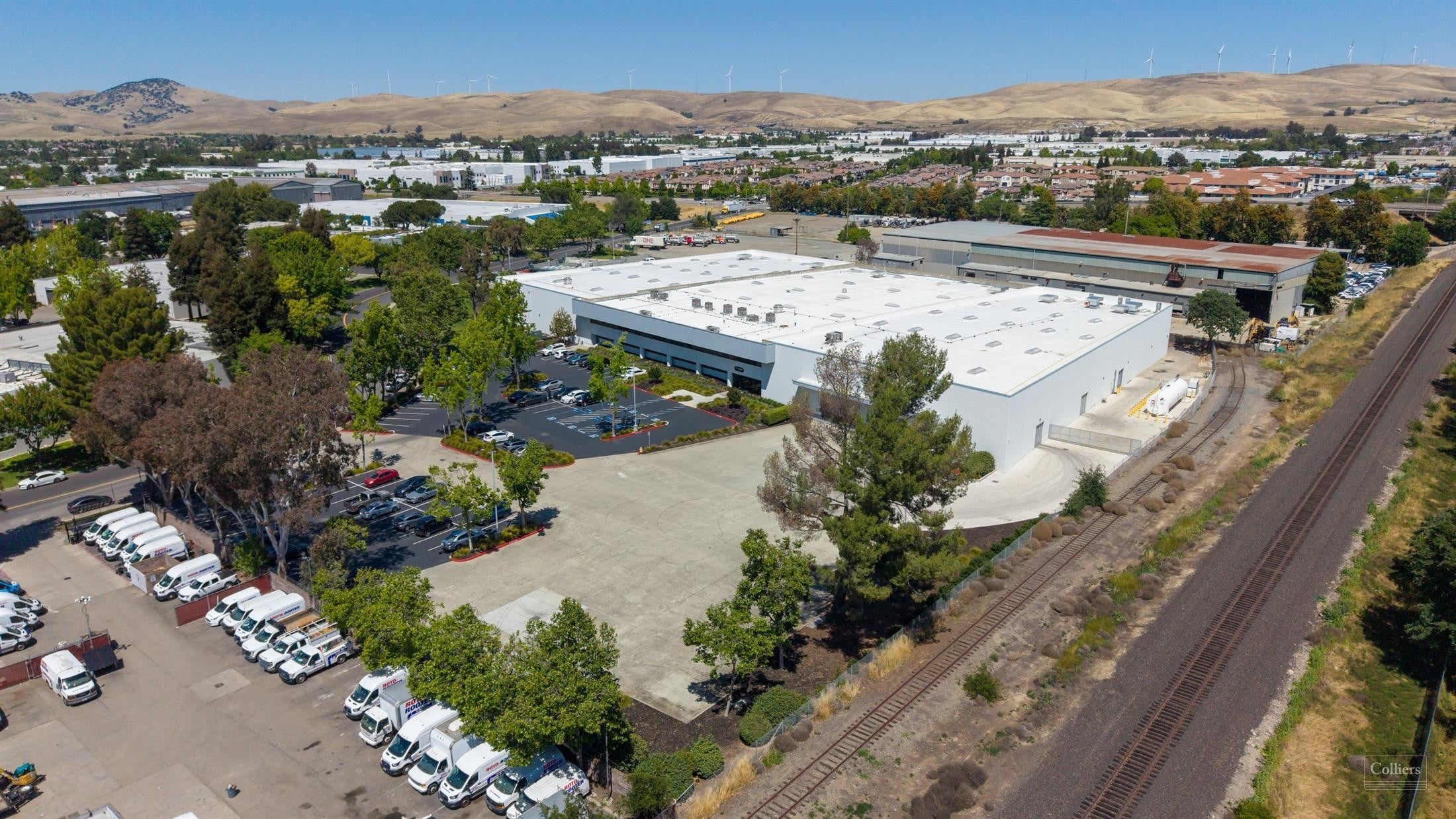
MDH Partners has expanded its West Coast industrial holdings with the purchase of a single-tenant facility at 5775 Brisa St. in Livermore, located in the Bay Area’s Tri-Valley submarket. The property totals 108,347 square feet of industrial space and is occupied by a stabilized tenant using the site as a headquarters manufacturing facility. Financial terms of the transaction were not disclosed.
The acquisition marks MDH Partners’ first investment in Northern California and increases the Atlanta-based firm’s industrial footprint in the state to nearly 1.7 million square feet. The building provides heavy power capacity and includes excess land with a secured yard, supporting manufacturing and distribution uses that require outdoor storage and enhanced utility infrastructure. MDH describes the purchase as being completed at a price substantially below estimated replacement cost.
Colliers represented the seller in the transaction. The acquisition effort for MDH was led by James Hwang, the firm’s vice president of acquisitions and head of its Los Angeles office. Hwang noted that MDH had been targeting an entry into the San Francisco Bay Area industrial market since establishing its Los Angeles office, and identified this asset as a fit with the firm’s strategy.
According to MDH, the combination of a long-term, quality manufacturing tenant, building functionality, and site characteristics positions the property to serve ongoing demand in the Bay Area. The limited availability of modern, functional industrial space in the region, together with the building’s proximity to technology, life sciences, and advanced manufacturing users across the Bay Area, were cited as key factors supporting the investment thesis.
The Livermore property gives MDH a foothold in the Tri-Valley submarket, which benefits from access to regional transportation corridors and the broader Bay Area economy. By pairing a stabilized headquarters user with below-replacement-cost entry pricing and specialized building attributes, the firm is seeking to align the asset with the evolving requirements of manufacturing-oriented occupiers in one of the country’s more supply-constrained industrial markets.