Placer.ai is reporting that the first half of 2026 tested consumer behavior as higher gas prices, resurgent inflation and broader economic uncertainty put pressure on discretionary spending. In a new white paper, the location analytics firm finds that the impact of more expensive fuel was uneven across consumer categories, challenging the assumption that rising gas prices simply reduce overall visits to physical locations.
According to Placer.ai’s white paper, “The Forces Shaping Consumer Traffic in 2026,” higher gas prices did not only suppress trips. Instead, they reshuffled where and how consumers chose to spend their time and money. Some segments saw sharper pullbacks, while others demonstrated relative resilience as people adjusted their routines rather than abandoning out-of-home spending altogether.
The research points to dining establishments as among the most affected by this shift. Restaurants and other dining venues experienced a more pronounced drop in traffic compared with many brick-and-mortar retailers. Placer.ai indicates that this divergence highlights the way consumers recalibrate discretionary categories when transportation costs climb, with some types of visits more vulnerable than others.
Long-distance destination retail also felt some pressure as a result of higher gas prices. Trips that require extended travel became more sensitive to changes in fuel costs, and some of this activity was curtailed. Still, Placer.ai frames the trend less as a broad retreat from in-person shopping and more as a reordering of trip patterns, with consumers favoring certain formats and value propositions over others.
The white paper further examines how value is influencing store traffic and growth in visits. Concepts that successfully communicate a strong value proposition appear to be better positioned to retain and attract shoppers in an environment where household budgets face multiple cost pressures. Placer.ai links this emphasis on value to both the absolute level of traffic and the pace of traffic growth.
At the same time, nostalgia has emerged as a meaningful driver of in-store performance for certain retailers. Brands that were prominent in early 2000s malls are benefiting from renewed consumer interest, and those able to leverage this sentiment are seeing a lift in traffic. The findings suggest that emotional connections and brand heritage can complement straightforward value messaging in sustaining engagement with physical retail locations.
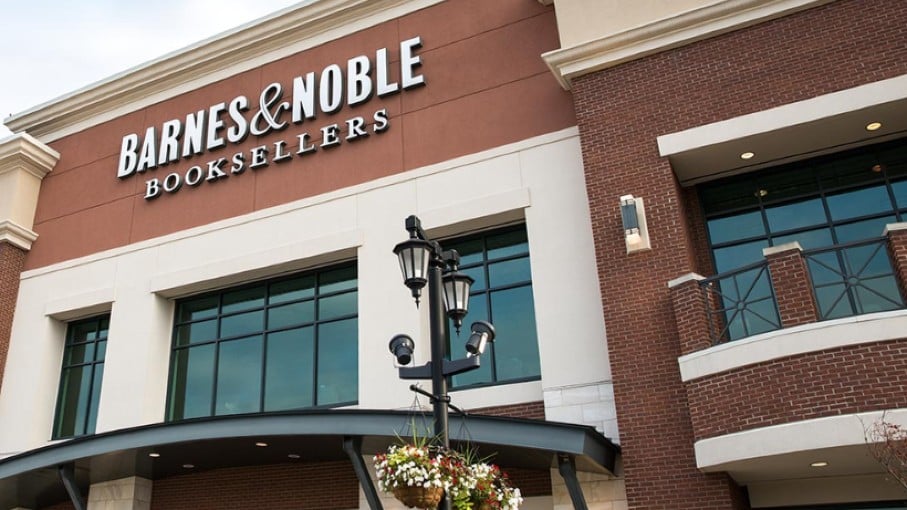
Placer.ai singles out Barnes & Noble as an example of this nostalgia dynamic. The company is described as potentially the original “heritage brand” comeback story in the current cycle. Its continued strength in the first half of 2026 is cited as evidence that the nostalgia wave has not yet peaked, indicating that consumer appetite for familiar retail experiences remains strong even as economic conditions grow more challenging.
Collectively, these observations from Placer.ai’s analysis underscore that consumer traffic patterns in 2026 are being shaped by the interaction of cost pressures, perceived value and emotional ties to brands. Rather than a uniform decline in brick-and-mortar visits, the data points to a more nuanced realignment of demand across dining, destination retail and mall-based concepts that are able to tap into both value and nostalgia.