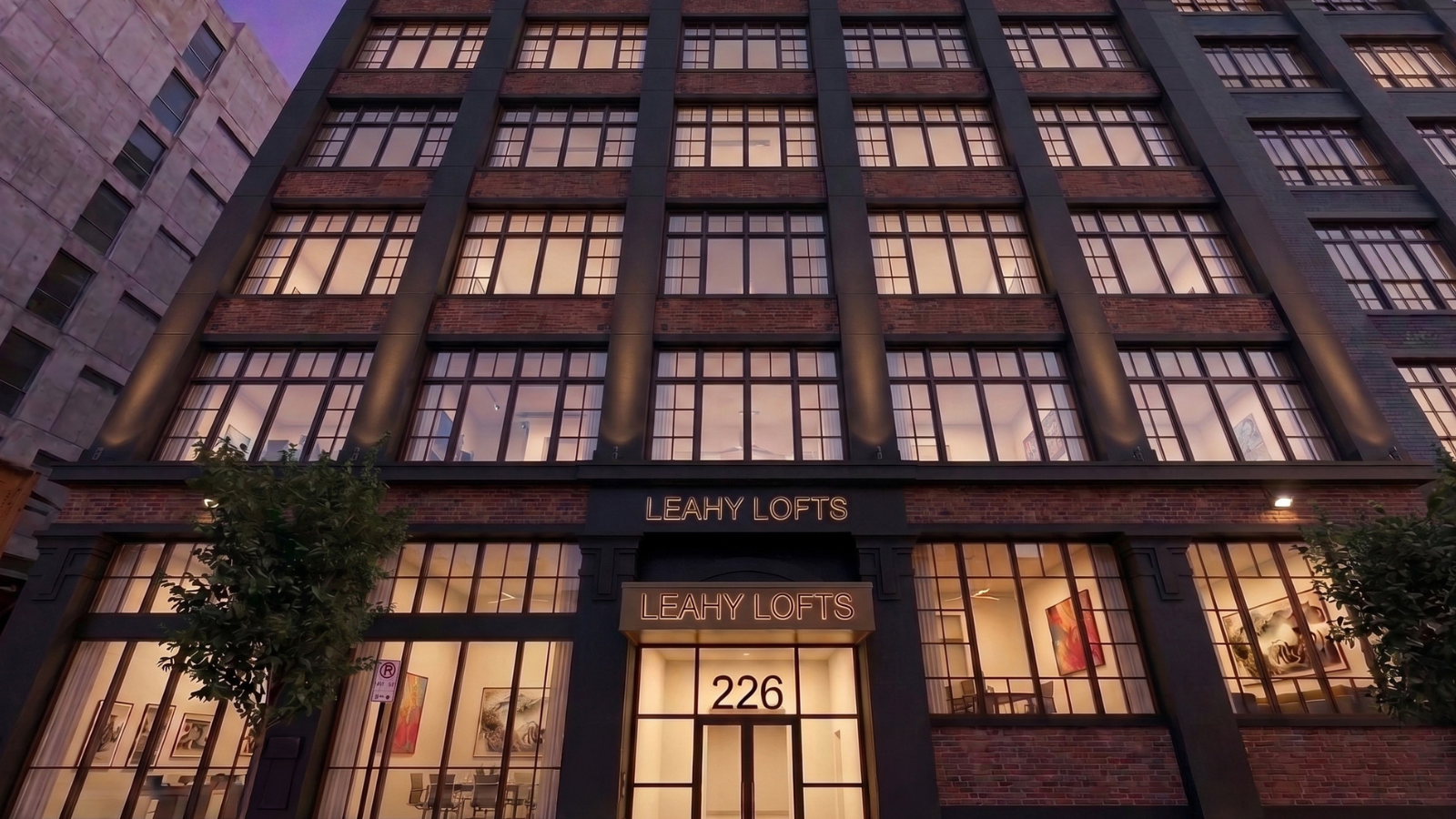
Essex Capital Markets has arranged a $19.57 million acquisition and construction loan to support the redevelopment of 226 W. Ontario Street in Chicago’s River North neighborhood. The financing will back the conversion of an existing office property into a 70-unit residential building, reflecting continued interest in repositioning older office assets in established urban submarkets.
According to Essex Capital Markets, the project will deliver 60 residential units within the existing structure and add 10 more units through a planned two-story vertical expansion. The loan proceeds are structured to finance both the property acquisition and the construction program required to complete the office-to-residential transformation.
The capital stack was organized as a two-phase funding facility tailored to the sponsor’s acquisition and construction timeline. Essex Capital Markets secured the loan from a local banking partner, with the financing structured at an 80% loan-to-cost ratio. The debt is also characterized by full-term interest-only payments, offering the sponsor cash flow flexibility during the redevelopment and lease-up period.
Directors Quinn Keenan and Asher Motew of Essex Capital Markets led the transaction on behalf of the sponsor. They worked with the lender to address several complexities, including the conversion of a 113-year-old office building, the engineering and construction requirements associated with a vertical addition, and a funding schedule that aligns closely with the sponsor’s phased construction plan.
Essex Capital Markets noted that the lender had to become comfortable with both the age and condition of the property and the execution risk inherent in adding two new stories atop the existing structure. The financing was ultimately structured so that the sponsor can stage its equity contributions over the life of the project while maintaining targeted loan proceeds.
The River North redevelopment adds to the growing number of office properties being repositioned as residential assets in urban neighborhoods, where older buildings can offer distinctive layouts and character. This financing underscores the role of relationship-driven local banks in funding adaptive reuse projects that may fall outside the parameters of standardized construction loans.