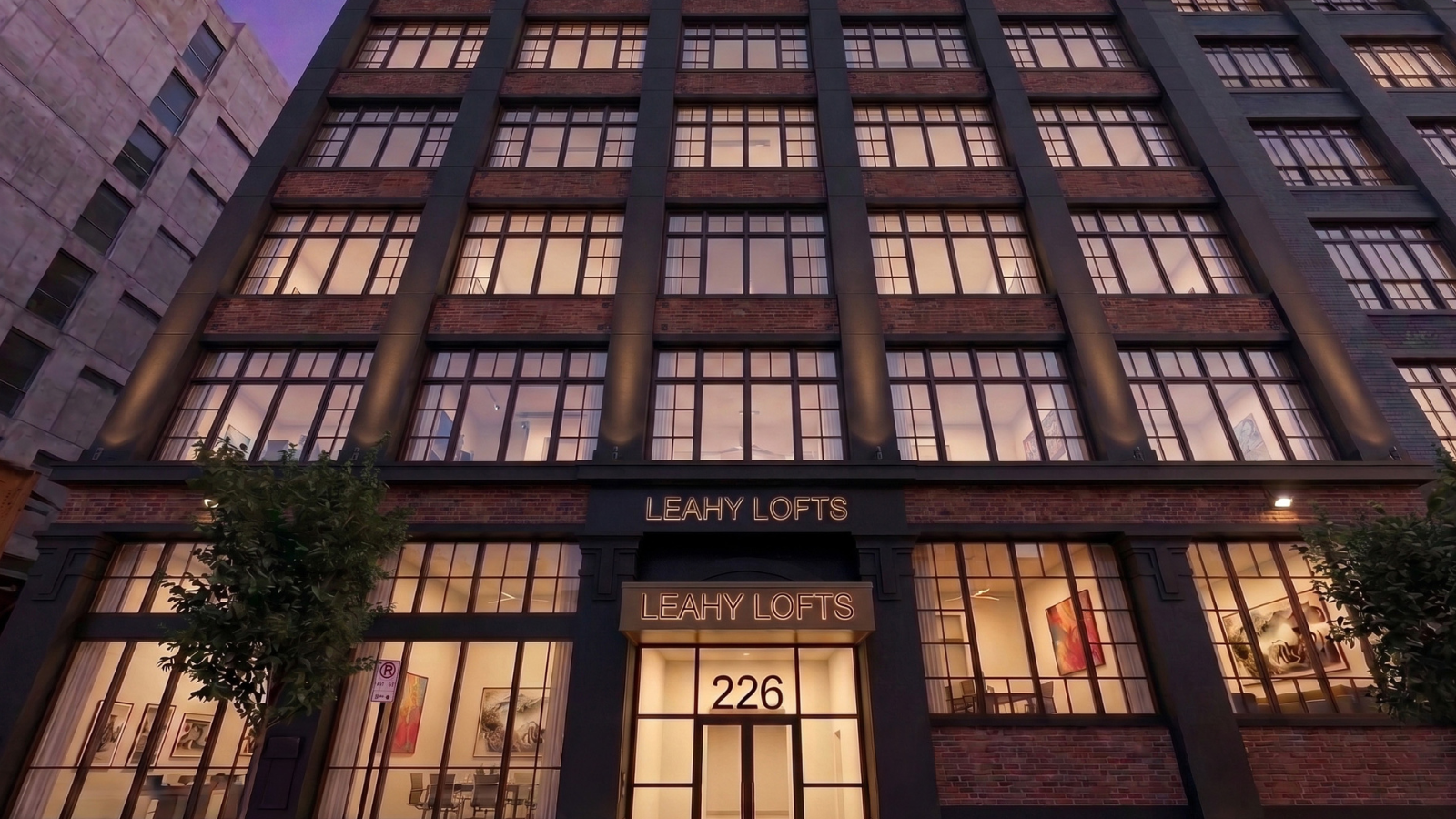
Essex Capital Markets has arranged a $19.57 million acquisition and construction loan to support the redevelopment of 226 W. Ontario Street in Chicago’s River North neighborhood. The financing will back the conversion of an existing office building into a residential property, reflecting ongoing repositioning activity in the submarket.
The planned project will deliver a total of 70 residential units. According to Essex Capital Markets, 60 apartments will be created within the existing structure, while an additional 10 units are slated to come from a two-story vertical expansion above the current building. The property being converted is a 113-year-old office building, adding complexity to the construction scope and the lender’s underwriting considerations.
On behalf of the project’s sponsor, Essex Capital Markets secured the loan from a local banking partner. The capital stack is structured as a two-phase facility intended to align with both the acquisition closing and the subsequent construction schedule. By designing the loan in phases, the financing can track the project’s timeline as it moves from purchase through redevelopment and vertical expansion.
The facility features an 80% loan-to-cost ratio, providing a relatively high leverage level for an office-to-residential conversion. The loan also offers full-term interest-only payments, which can help the sponsor manage cash flow during the redevelopment period and into initial operations once the residential units are delivered and leased.
Directors Quinn Keenan and Asher Motew of Essex Capital Markets led the transaction. Motew noted that this was not a standard construction loan, given the age of the building, the planned vertical addition, and the need for a funding schedule that aligned closely with the sponsor’s construction plan. The lender needed to become comfortable with the conversion of the 113-year-old office structure and the execution risk associated with adding two new floors of residential units.
Essex Capital Markets reported that the selected local bank was able to understand the specific requirements of the project and structure the facility accordingly. The financing was designed so that the sponsor could stage its equity contribution over time while maintaining loan proceeds, rather than having to inject all equity upfront. This approach allowed the sponsor to match capital deployment more closely with project milestones while still obtaining the necessary acquisition and construction funds.
The transaction highlights ongoing investor and lender interest in repositioning older office assets into multifamily product in established urban neighborhoods such as River North. By combining an acquisition component, a conversion of existing space, and a vertical expansion under a single facility, the loan structure illustrates how local banks are tailoring senior debt for adaptive reuse and office-to-residential projects.