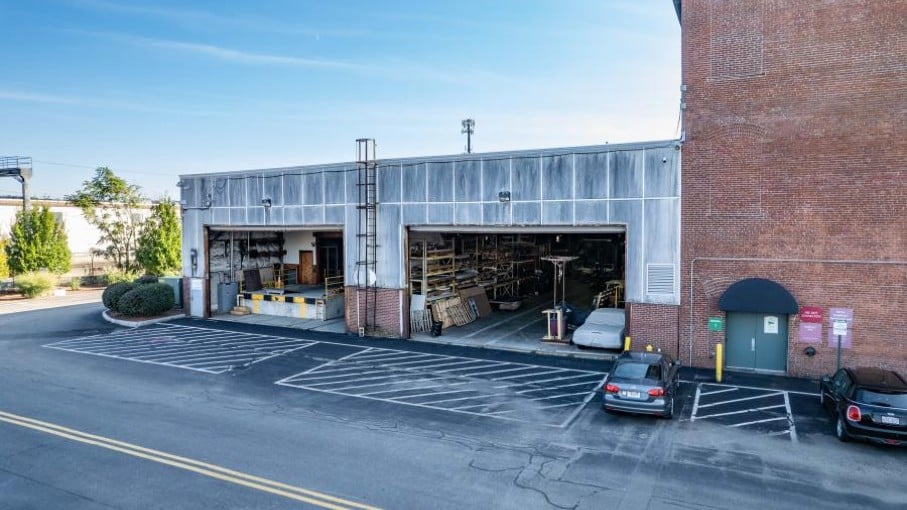
Calare Properties has expanded its industrial footprint in Boston with the acquisition of One Westinghouse Plaza Building K, a warehouse/flex condominium located in the city’s Hyde Park neighborhood. The 42,000-square-foot asset is part of an urban industrial and mixed-use campus, and sale terms were not disclosed.
The property sits within a larger 22-acre site that comprises 10 industrial and mixed-use buildings. The campus has a manufacturing legacy that dates back to the early 1900s, underscoring its long-standing role in the local industrial ecosystem. Brokerage firm 128 CRE brokered the transaction.
Building K is described as nearly 50% leased to a long-term tenant, providing in-place income for Calare while leaving substantial room for new leasing. Approximately 24,000 square feet remain available, offering prospective users a sizable footprint in a tight industrial market.
According to Calare, the remaining vacancy presents an opportunity for tenants seeking long-term commitments at a time when quality industrial space in Boston is considered scarce. The combination of an urban location, flexible industrial configuration and campus setting positions the building as a potential option for users looking to secure space in a constrained supply environment.
Calare plans to implement a capital improvement program at the property. While specific project details were not provided, the initiative indicates that the new ownership intends to upgrade the asset as it pursues its leasing objectives within the campus.
Tim Collis, senior vice president at Calare, characterized the acquisition as aligned with the firm’s investment focus. He noted that industrial buildings of this scale are “exceptionally rare” in Boston, and that the scarcity of comparable opportunities is a key driver of Calare’s strategy. Collis added that being part of an established, well-run campus offers both immediate stability and the potential for long-term upside as the company executes its capital program and leasing plans.
With a blend of existing tenancy, available space and planned improvements, the transaction highlights ongoing investor interest in urban industrial assets in infill locations, particularly where supply constraints and campus-style settings can support both current operations and future growth.