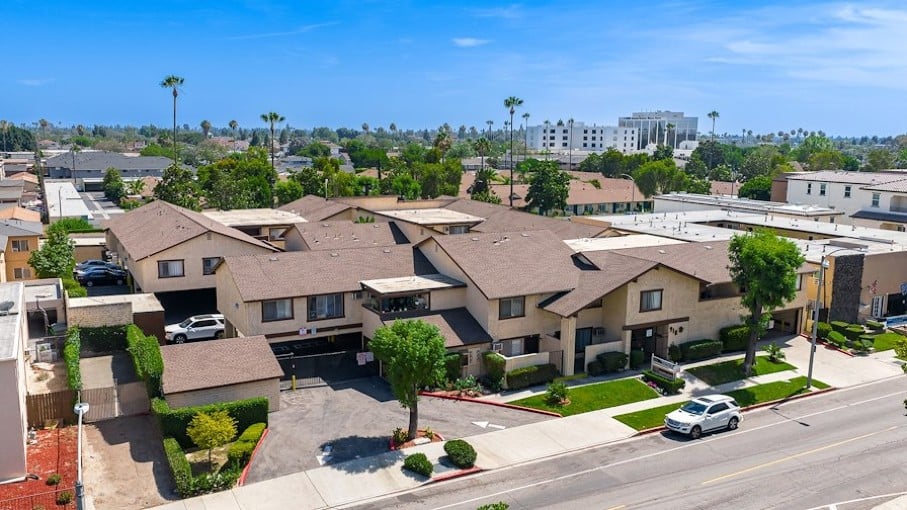

Operations and maintenance of U.S. commercial properties are generating substantial economic benefits, according to new research from the Building Owners and Managers Association International (BOMA). The organization reports that office, retail and industrial buildings across 79 U.S. markets collectively produce $609.9 billion in annual economic output and support 3.9 million jobs nationwide. The findings are drawn from BOMA’s 2026 Market Study: The Economic Impact of U.S. Commercial Real Estate.
The study quantifies how spending on day-to-day building operations multiplies through the broader economy. For every $1 spent on operating and maintaining commercial buildings, BOMA calculates that $2.22 in total economic output is created once direct, indirect and induced effects are included. This relationship underscores how building-level expenditures on staffing, services and systems extend beyond property performance to influence local and national economic activity.
BOMA highlights the extensive network of companies and professionals required to keep commercial buildings functioning safely and efficiently. That ecosystem includes building managers, contractors, suppliers, maintenance and repair firms, utilities, insurers and security providers. Each of these participants contributes to the operational continuity of office, retail and industrial assets, while also forming part of the broader employment base supported by commercial real estate.
Technology is also identified as a key factor reshaping building operations. According to BOMA, advances in building systems are changing how owners and managers oversee energy consumption, water use, security, access control and overall performance. These tools are influencing how operating dollars are deployed and how properties interact with infrastructure and service providers.
In addition to operational impacts, the 2026 Market Study examines recent construction trends across the major commercial property sectors. The report notes a significant shift within private office construction, driven by the rapid expansion of data centers. Because federal statistics classify data centers as private office construction, BOMA observes that data center projects represented nearly 46% of more than $90 billion in private office construction last year. A decade earlier, data centers accounted for less than 5% of that category.
This reallocation within office construction activity reflects how specialized facilities aligned with digital infrastructure are occupying a growing share of new investment tracked in official data. While the study focuses on aggregate impacts rather than individual projects or markets, it positions commercial buildings, and increasingly data centers, as important components of the U.S. economic landscape through both ongoing operations and new development.