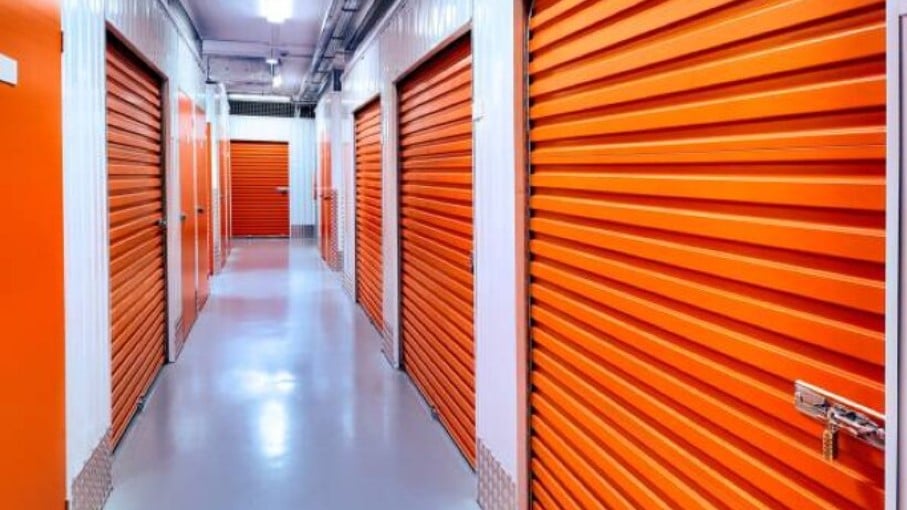
Self-storage construction that once clustered in the suburbs of large, fast-growing metropolitan areas is increasingly concentrating inside city limits of mid-sized metros, according to new analysis from Yardi’s StorageCafe. The research shows that, among the 100 largest U.S. metro areas, 42 have recorded at least half of their self-storage development over the past decade within urban boundaries rather than on the suburban fringe.
This shift marks a notable change in how developers are positioning new self-storage capacity. For much of the last ten years, suburban locations in major growth markets absorbed most of the new facilities, driven by greenfield sites, lower land costs and robust household formation outside the core. StorageCafe’s findings indicate that a growing share of new projects is now targeting denser, more centrally located neighborhoods in smaller and mid-sized metropolitan areas.
StorageCafe highlights several markets where this urban tilt is particularly evident, citing Las Vegas, San Antonio and Cape Coral-Fort Myers, FL among the leading metros for city-focused self-storage development. In these locations, a large amount of the recent construction pipeline has landed inside municipal boundaries, underscoring how demand is being generated by renters and apartment dwellers with limited in-unit or on-site storage options.
The report points specifically to Sun Belt cities as a key driver of this trend. According to StorageCafe, rapid in-migration into these markets has created a renter-heavy, apartment-dense urban population base that supports the economics of centrally located facilities. In such environments, the ability to serve customers close to where they live can outweigh the higher land and construction costs associated with urban projects.
“Storage is a proximity business,” said Victor Maghear, consumer trends and market analyst at StorageCafe. He noted that customers prioritize convenient access to their units, which elevates the appeal of urban sites even when development expenses are elevated. That proximity requirement is helping shape where new facilities are being planned and delivered across different types of metropolitan areas.
Maghear also emphasized that the opportunity landscape is not uniform across the country. In some metros, the self-storage expansion pattern still skews toward outward growth, with new facilities added in surrounding suburbs and exurban locations. In others, a larger share of upcoming projects is being directed back toward the urban core, as developers respond to localized patterns of population growth, household composition and housing density within city limits.
The StorageCafe analysis suggests that understanding how each metro balances suburban and urban self-storage development has become more important for market participants. Where renter-heavy, apartment-oriented neighborhoods continue to scale inside city boundaries, new self-storage construction is increasingly following that demand, reshaping the geographic profile of the sector in many mid-sized urban markets.