Publix Super Markets has expanded its ownership of grocery-anchored retail real estate by acquiring the Airpark Plaza shopping center in Miami. The grocer purchased the 204,000-square-foot property for $83.25 million, buying out its landlord in a transaction that continues a pattern of ownership consolidation at centers where it already operates a store.
The seller of Airpark Plaza was First Washington Realty, according to reporting from the South Florida Business Journal. The shopping center last changed hands in 2008, when it traded for $36.82 million, providing a reference point for the asset’s long-term valuation trajectory. The new sale reflects a substantial increase in pricing over that period, although no additional financial terms such as cap rate or financing details were disclosed.
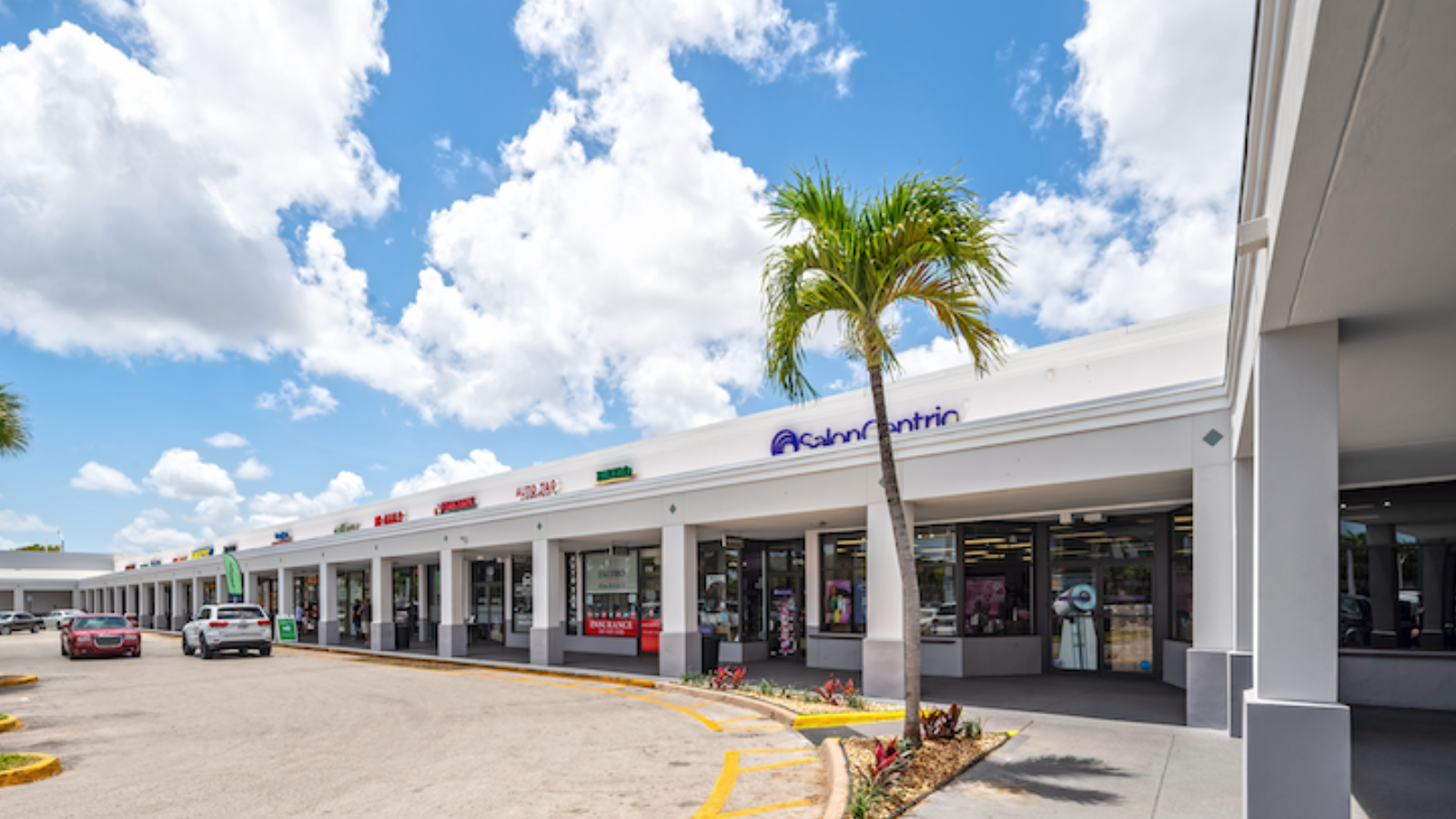
Airpark Plaza is situated just south of Miami International Airport on a 12.6-acre site that has housed retail uses for more than five decades. Development of the shopping center began in 1971, and it has remained a multi-tenant retail destination anchored by Publix. The location near the airport places the property within a heavily trafficked corridor that serves both local residents and travelers moving through the surrounding area.
In addition to Publix, the tenant roster at Airpark Plaza includes a mix of national and regional brands. Current tenants cited in the report include Burlington, TD Bank, First Watch, Burger King, Domino’s Pizza, and Wingstop. This combination of grocery, soft goods, financial services, and quick-service restaurant operators underscores the center’s role as a neighborhood-serving retail hub.
Publix has an established track record of purchasing shopping centers where it is already the primary tenant, and the Airpark Plaza acquisition aligns with that strategy. Owning rather than leasing allows the company to exercise greater control over the center, including decisions around physical improvements and the composition of the tenant mix. That approach supports long-term occupancy stability and enables the retailer to adjust co-tenancy to fit its merchandising and customer-traffic objectives.
Earlier in the year, Publix followed a similar path by buying out its landlord at the Fountains of Boynton and at Aberdeen Square, both near Boynton Beach. Together with the Airpark Plaza transaction, these deals illustrate the company’s continued emphasis on direct real estate ownership in key Florida locations, particularly in established retail corridors anchored by its supermarkets.