Trademark Property Company and Cohen & Steers have acquired Oak Hill Plaza, a 116,000-square-foot neighborhood shopping center positioned at the northwest corner of US 290 and SH 71. Trademark will handle management and leasing of the center and is preparing a program of physical and tenant upgrades aimed at repositioning the property. The seller was Partners Capital, the investment platform of Partners Real Estate Company.
The transaction aligns with a major infrastructure milestone in the surrounding area. The acquisition follows the substantial completion of TXDOT’s $674 million Oak Hill Parkway Project, a long-running roadway initiative designed to enhance regional mobility and access. After a five-year construction period, all main lanes, frontage roads, and ramps associated with Oak Hill Parkway are now open, materially improving connectivity to Oak Hill Plaza.
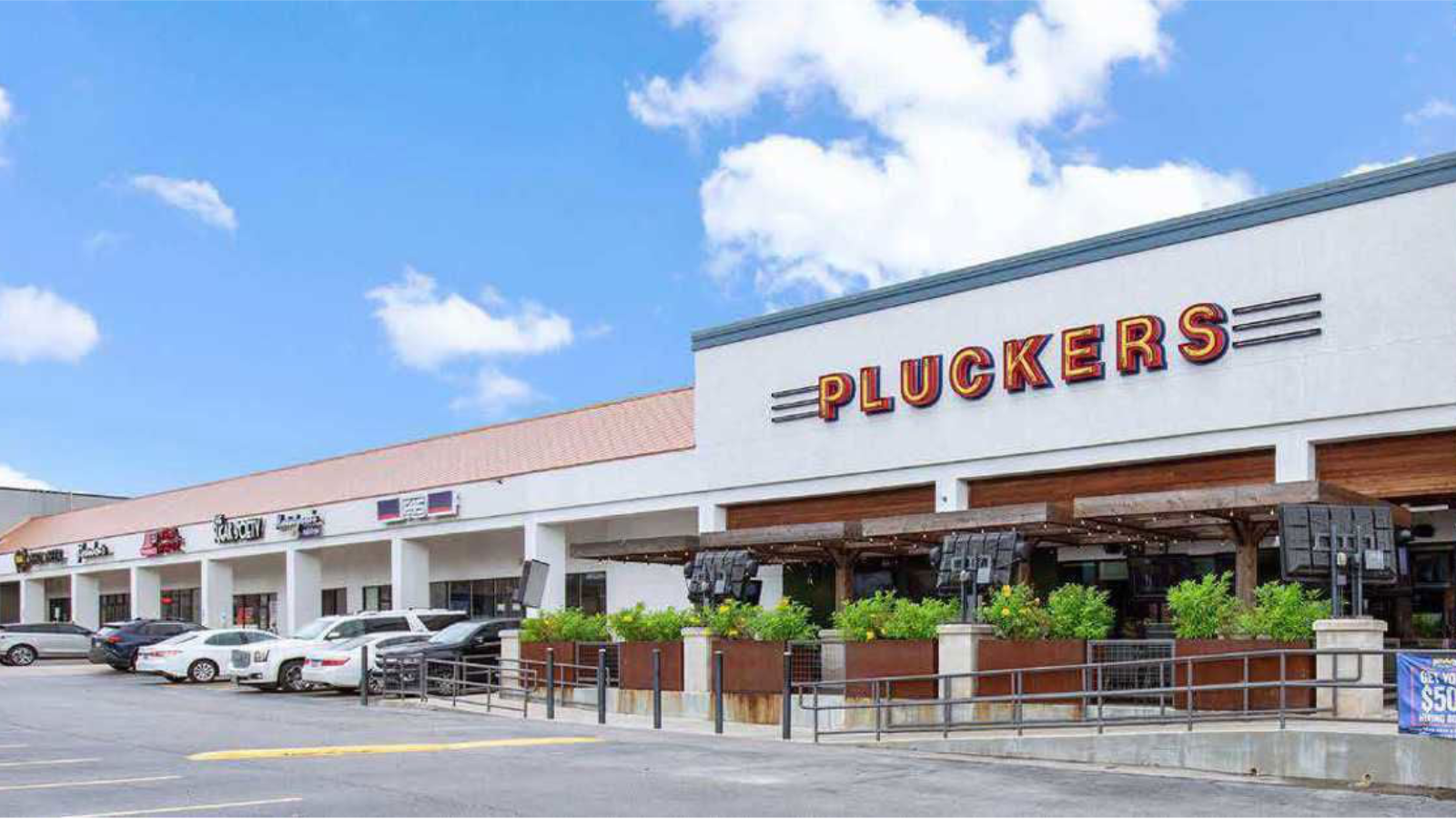
Oak Hill Plaza is currently leased to a roster of national and regional tenants, including Wells Fargo, Pluckers, Dollar Tree, AutoZone, Jim’s Restaurant, and The Picklr. These occupants provide a mix of financial services, dining, discount retail, auto parts, and recreational offerings, helping establish the center as a convenience-driven neighborhood destination.
Trademark intends to undertake improvements that will modernize both the physical environment and the merchandising strategy of the center. The planned upgrades are expected to create a more inviting and contemporary setting for shoppers while supporting changes to the tenant mix. Trademark’s stated goal is to attract additional local and regional retailers and restaurants that reflect the character and culture of Austin.
By combining a refreshed physical plant, a curated mix of tenants, and the benefits of newly improved regional access, the Oak Hill Plaza initiative is positioned as a repositioning play within the neighborhood retail segment. The partnership between Trademark and Cohen & Steers centers on enhancing the property’s performance through asset management, leasing, and selective reinvestment rather than ground-up development.