Value has become a central theme in how restaurant customers make decisions in 2026, but the meaning of value is broadening beyond simple price points. A new white paper from Placer.ai finds that value is being interpreted differently across the dining sector’s varied categories and individual brands, even as operators contend with ongoing economic pressures. The analysis indicates that consumer expectations continue to shift, influencing which concepts are capturing traffic and which are lagging behind.
According to the report, titled “Dining In 2026: All Roads Lead To Value,” diners are assessing value through multiple dimensions that extend well past affordability. Experience, food quality, convenience and price all factor into how customers gauge whether a restaurant visit feels worthwhile. This more holistic definition of value is shaping traffic patterns across the industry and appears to be a key determinant of which segments are outperforming in the current environment.
Placer.ai notes that overall dining traffic in 2026 has generally trailed 2025 levels in most months, suggesting that visits are under pressure at the aggregate level. Yet the weakness is not uniform. Certain categories, including fast casual and fine dining, have demonstrated relative strength compared to the broader market. These segments appear to be better aligned with consumers’ evolving expectations around what constitutes a strong value proposition.
Fast casual brands, in particular, have shown the ability to maintain positive traffic momentum. Placer.ai attributes this performance to concepts that successfully pair everyday value with some of the benefits more commonly associated with full-service dining. This can include higher perceived quality, more customization, or an overall experience that feels elevated relative to traditional quick-service formats, while still remaining broadly affordable.
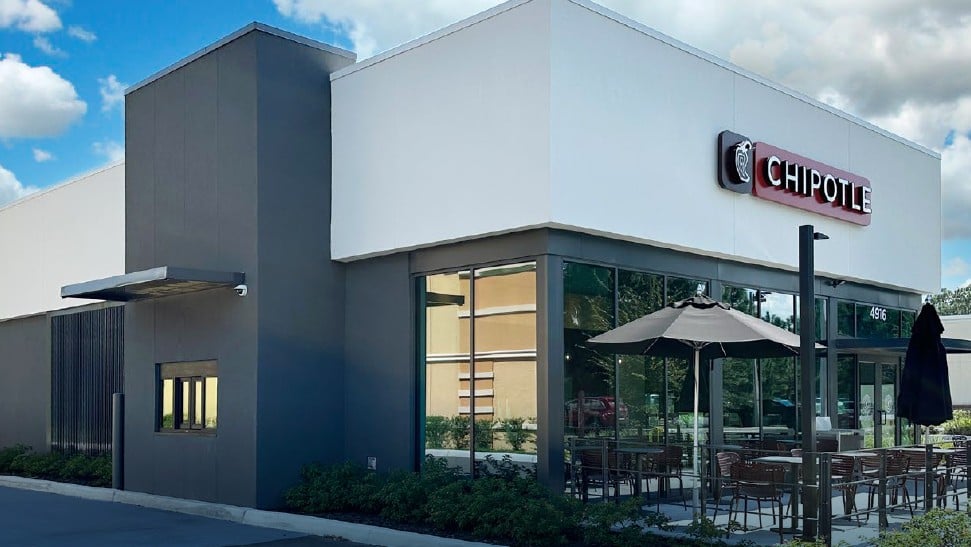
The white paper highlights Chipotle as an example of how this approach can resonate with guests. The chain has reinforced its positioning by combining menu innovation with loyalty-focused offerings, using new items and rewards to keep its customer base engaged. Placer.ai reports that this strategy supports a value proposition grounded in quality and experience rather than discounting alone, helping the brand sustain traffic even as consumers remain selective about where they dine.
Across the dining landscape, the findings suggest that brands able to integrate experience, convenience, quality and price into a coherent value story are better positioned in 2026. As consumers weigh how and where to spend on food away from home, those concepts that can clearly articulate and deliver a multidimensional sense of value are seeing a relative advantage in visits compared to the wider industry trend.