Kidder Mathews has released its 2026 Western U.S. Mid-Year Market Forecast, providing a forward-looking view of how key commercial real estate sectors are performing and evolving across the region. The report focuses on economic conditions, structural shifts and sector-level dynamics, with an emphasis on how current fundamentals and demand drivers are shaping risk and opportunity.
The forecast covers the office, industrial, retail and multifamily sectors, outlining where each property type is in its cycle and how occupier behavior is influencing the trajectory of space demand. According to the report, industrial continues to stand out as one of the most durable segments of the market, supported by broad-based user demand and a construction pipeline that is tightening after an extended period of deliveries.
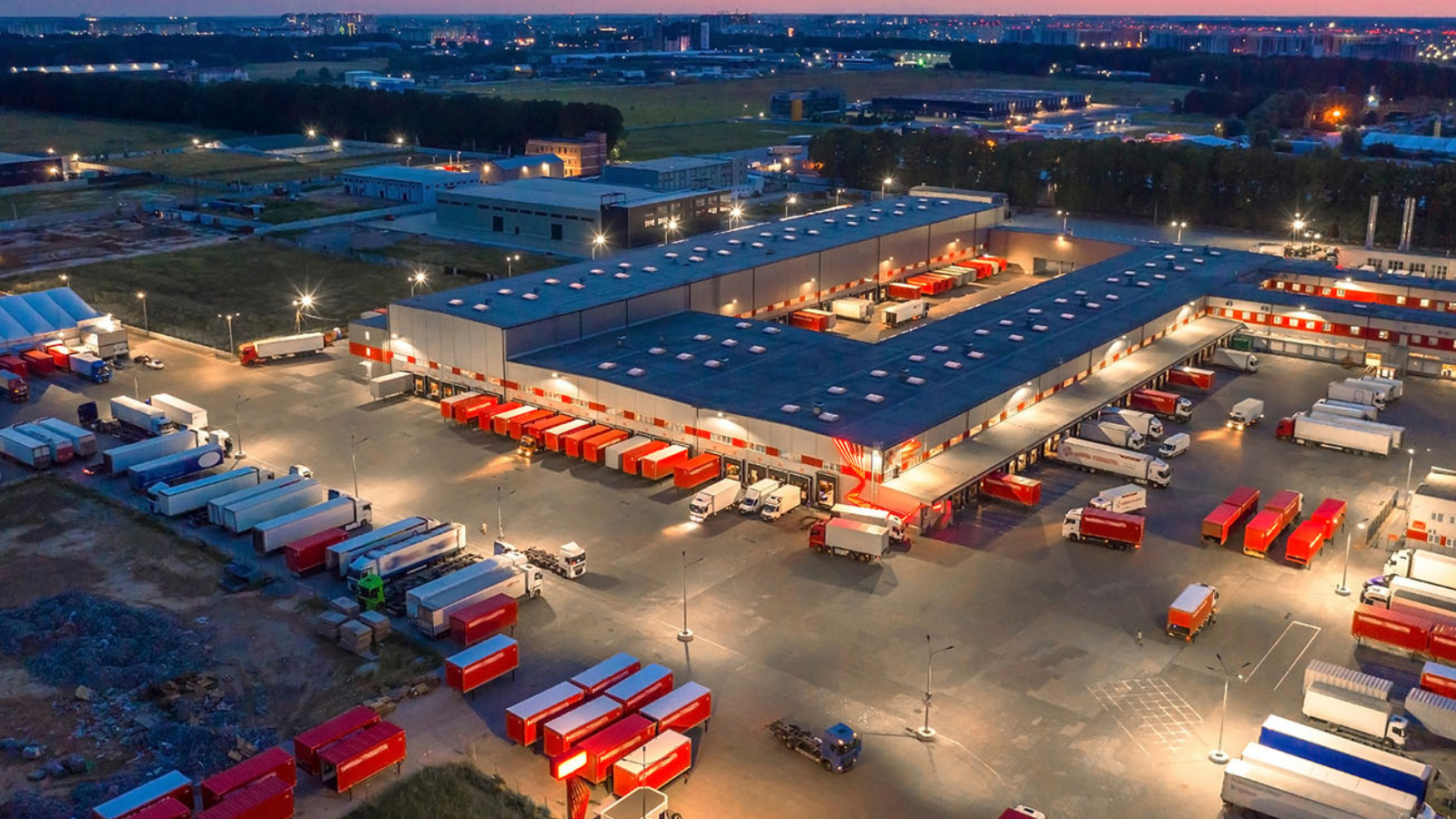
Within industrial, the report notes that leasing activity is strengthening and vacancy is approaching what is described as a cyclical peak. As available new supply begins to slow, the development pipeline is sharply contracting, which is expected to ease some of the pressure created by earlier waves of construction. At the same time, steady requirements from logistics, e-commerce, manufacturing and data center users are helping to keep demand intact, reinforcing industrial’s position as a preferred asset class within the Western U.S.
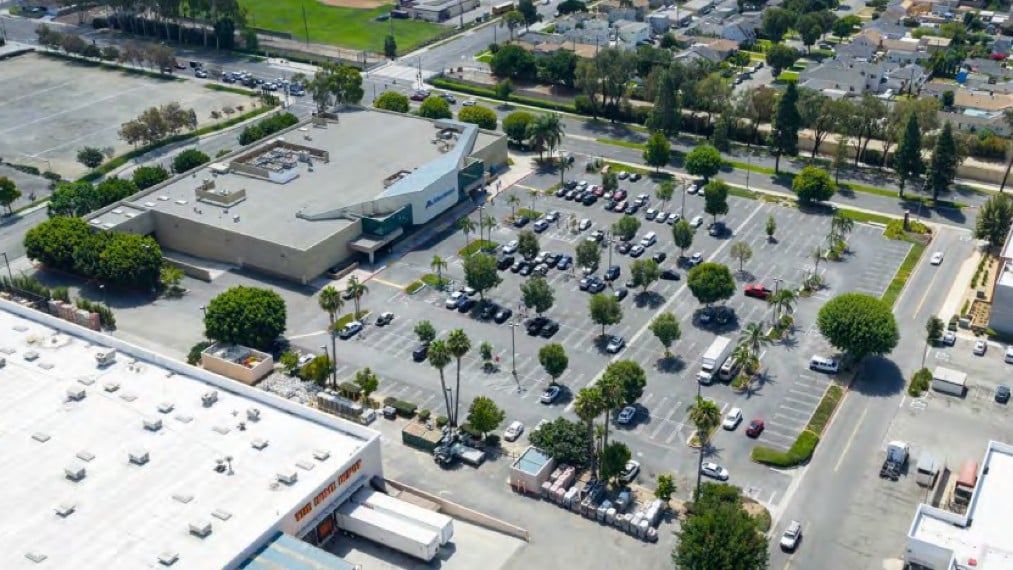
Retail fundamentals are characterized as resilient, with performance supported by a combination of limited new supply, low vacancy and ongoing tenant demand. The report highlights that growth in the sector is selective, with activity concentrated among grocery operators, discount retailers and other value-oriented concepts. These tenants are continuing to expand, benefiting from consumer focus on essential goods and affordability, while the lack of substantial new development helps sustain occupancy levels.
Kidder Mathews also points to gradual improvement in both the multifamily and office sectors. The office market is described as gaining stability as leasing activity improves and earlier supply pressures begin to ease. This suggests that, while the sector has faced headwinds, conditions are moving toward a more balanced environment as users make decisions about space needs and as the flow of new product moderates.
In the multifamily sector, the report indicates that the market is moving toward greater balance. Demand is strengthening, aided by ongoing housing needs, while new construction is slowing from prior highs. This combination is contributing to a more stable backdrop for multifamily assets in the Western U.S., with fewer new deliveries competing for renters even as underlying demand remains in place.
Overall, the 2026 Western U.S. Mid-Year Market Forecast from Kidder Mathews frames industrial and retail as comparatively durable, demand-supported sectors, while signaling that office and multifamily fundamentals are in a period of gradual stabilization as supply growth moderates and occupier and renter demand show signs of firming.