U.S. industrial leasing activity accelerated in the first half of 2026, with tenants committing to 490.6 million square feet, according to preliminary second-quarter figures from Savills. That total represents a 27.1% year-over-year increase and ranks as the third-strongest first half on record for the sector, trailing only 2021 and 2022. The brokerage reported that large-format users have been central to the resurgence, particularly occupiers signing leases larger than 750,000 square feet.
Net absorption also moved higher, rising 28% compared with the same period a year earlier. The combination of stronger leasing and healthier net absorption suggests that demand is gradually catching up with the elevated vacancy that emerged after the recent construction boom and post-pandemic normalization in logistics and e-commerce space needs.
Vacancy edged up by 10 basis points year-over-year but held steady quarter-over-quarter, ending the second quarter of 2026 at 8.2%. Savills characterized the flat quarterly reading as another indication that national industrial fundamentals are stabilizing at midyear. The slowing of vacancy expansion comes as the development pipeline continues to reset from prior peaks.
Total industrial product under construction reached 320 million square feet in the second quarter of 2026. While still a substantial amount of new supply, it is less than half of the 782.4 million square feet reported in late 2022, when speculative development and build-to-suit activity were near their cyclical highs. The sharply reduced pipeline is expected to help the market gradually work through existing availabilities.
On the pricing side, asking rents remained relatively steady, posting a 1.8% year-over-year increase nationally. Savills noted that, with vacancy still elevated in many markets and sublease availability continuing to rise, near-term rent growth is likely to remain subdued. Landlords in some locations may need to focus more on occupancy and concessions rather than aggressive rent pushes in the near term.
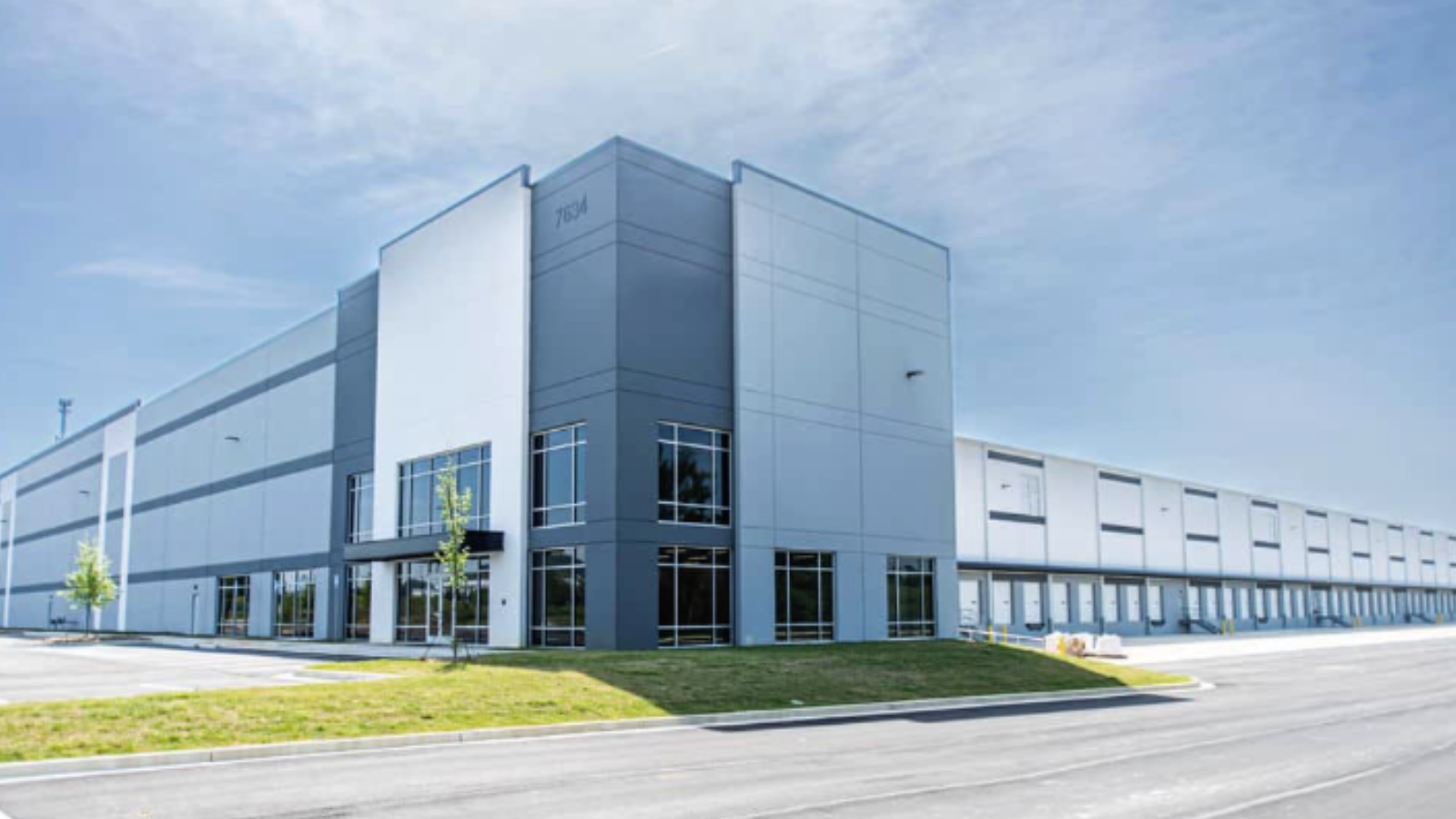
Large user transactions continue to shape the landscape. One example cited in the report is a full-building lease signed in the second quarter by Pactra at International Commerce Center in Adairsville, Georgia, for nearly 700,000 square feet. Deals of this scale are contributing meaningfully to the national totals and underscore the ongoing role of major logistics and distribution users in driving industrial demand.
The research backdrop coincides with ongoing dialogue among market participants about the next phase for industrial real estate. Industry conferences, including events focused on Western U.S. markets, are emphasizing how shifting tenant requirements, moderating construction, and still-elevated vacancy are influencing investment, development, and leasing strategies going into the second half of 2026.