Buc-ee’s is extending its already substantial retail footprint in Texas as the brand gains attention from visitors drawn to the World Cup. Once regarded as a regional stop along Texas highways, the travel center chain has now become a destination that is familiar to travelers well beyond the state and even outside the United States.
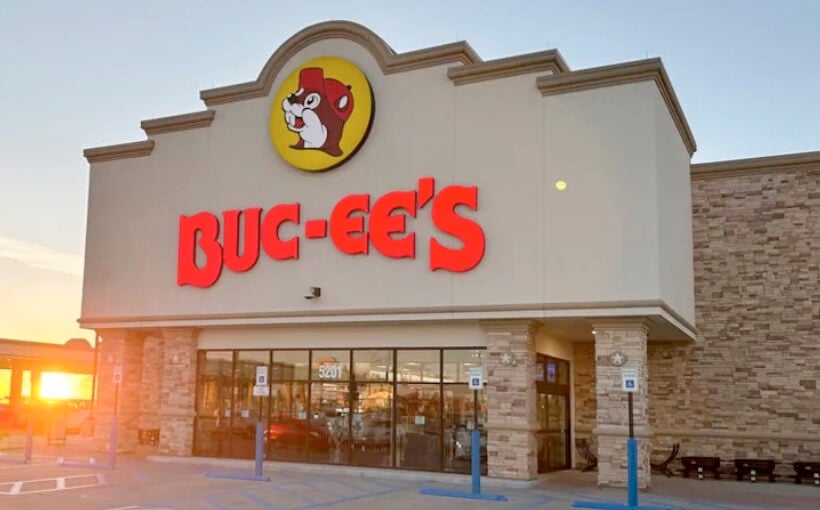
The company positions its locations as large-format roadside retail destinations that go beyond traditional convenience offerings and fuel. Buc-ee’s stores are described as being larger than most supermarkets and are known for combining extensive convenience merchandise with high-volume fueling operations on a single site.
A key example of the brand’s scale is its store in Luling, Texas, which Buc-ee’s promotes as the world’s largest convenience store. The Luling location spans 75,500 square feet, illustrating the size of the format the company is deploying along major travel corridors.
Buc-ee’s opened its first store just south of Houston in 1982 and has since grown into a network of more than 50 locations. Most of these properties are positioned along highways and freeways across the Sunbelt, capturing traffic from regional travelers as well as long-distance road trips.
The company has now detailed its next phase of expansion in Texas. Buc-ee’s announced that it plans to open a new store in San Marcos in 2026, followed by another location in Boerne in 2027. Once these two sites are operating, the total number of Buc-ee’s locations in Texas is expected to reach 38.
Looking beyond the Texas pipeline, Buc-ee’s also disclosed that it intends to add 15 new stores across the United States between now and 2031. While specific markets and project details were not outlined in the announcement, the timeline signals a measured but steady rollout of additional large-format convenience and fuel centers.
For commercial real estate stakeholders, the information underscores that Buc-ee’s is continuing to scale its highway-oriented retail platform, adding to the inventory of high-traffic roadside properties in Texas and other U.S. markets over the next several years.