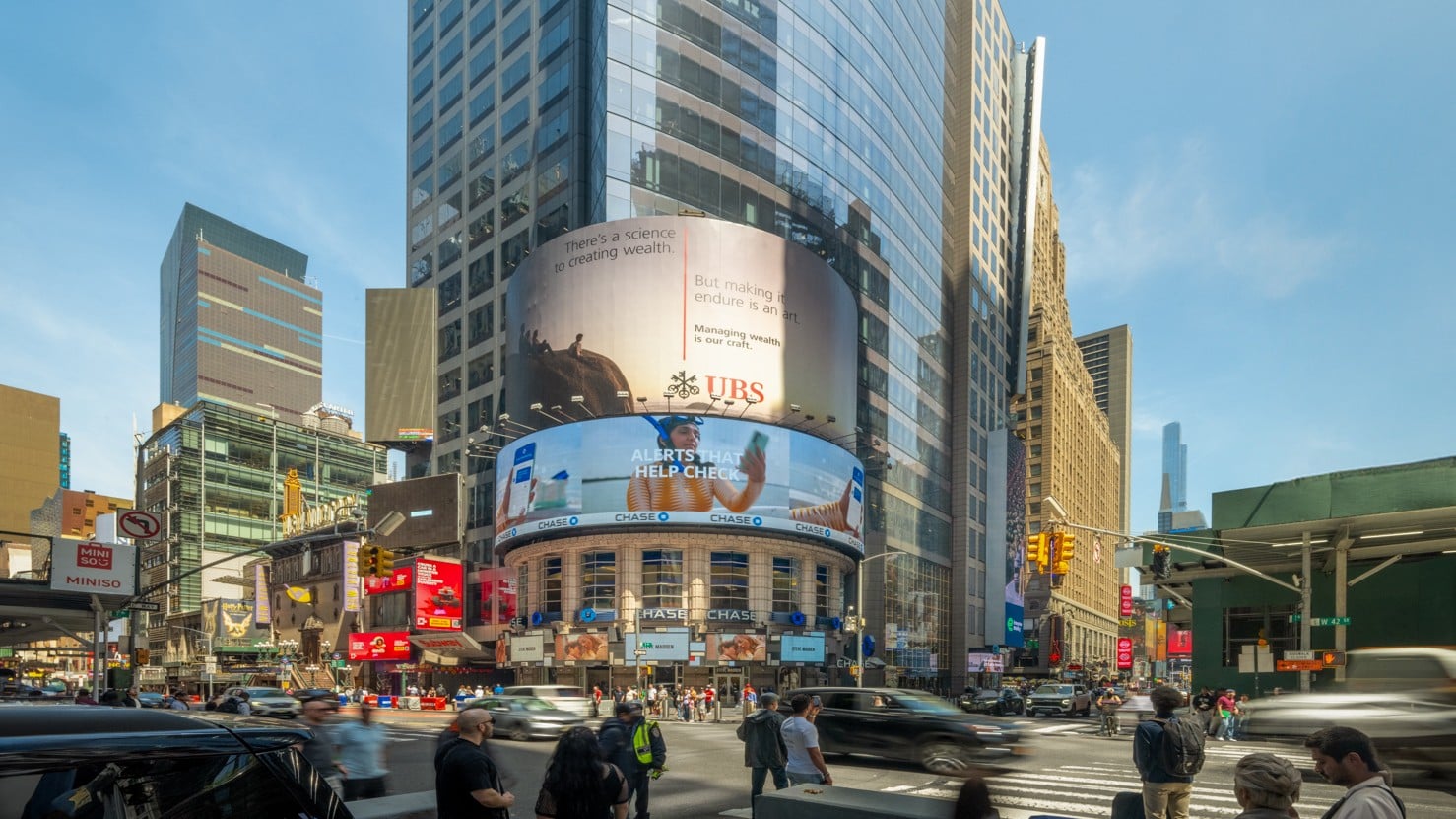
Manhattan’s retail sector is showing sustained momentum as a wider range of occupiers pursues space across the borough, according to a recent update from the Real Estate Board of New York (REBNY). The organization reports that the ongoing recovery is being powered by international luxury brands, expanding local retailers, ecommerce players, restaurants, fitness concepts and experiential brands that are all actively growing their brick-and-mortar footprints.
While REBNY notes that the greatest concentration of demand still centers on Manhattan’s premier shopping corridors, the latest biannual report indicates a gradual broadening of activity. Leasing is now spreading into residential neighborhoods and emerging districts that historically saw less attention from national and global retailers. This shift underscores how operators are targeting both high-traffic tourist corridors and day-to-day consumer hubs as they recalibrate store networks.
Market metrics in the first half of 2026 point to a tightening landscape in many of Manhattan’s most competitive locations. REBNY’s tracking of 16 key retail corridors shows asking rents rising in half of them, with eight corridors recording increases over the period. At the same time, availability continues to decline in several top-tier locations, signaling that quality space is becoming harder to secure for occupiers focused on flagship or high-visibility formats.
Despite the recent improvement, the report highlights that asking rents remain well below the peak levels reached in 2016. That gap suggests landlords still have runway for potential rent growth if demand remains durable and new leasing continues to absorb existing vacancies. For tenants, current conditions may offer an opportunity to secure space in prominent Manhattan locations at pricing that is still discounted relative to the last cycle’s highs.
REBNY’s Keith DeCoster, VP of market data and policy, characterizes the environment as one of “remarkable momentum” across multiple retail categories. He points to a competitive landscape in which luxury brands, restaurants, fitness operators and digitally native retailers are vying for stores that combine shopping, hospitality and entertainment elements. This emphasis on experiential formats reflects a longer-term commitment to physical retail in New York City as occupiers use in-person locations to complement online channels.
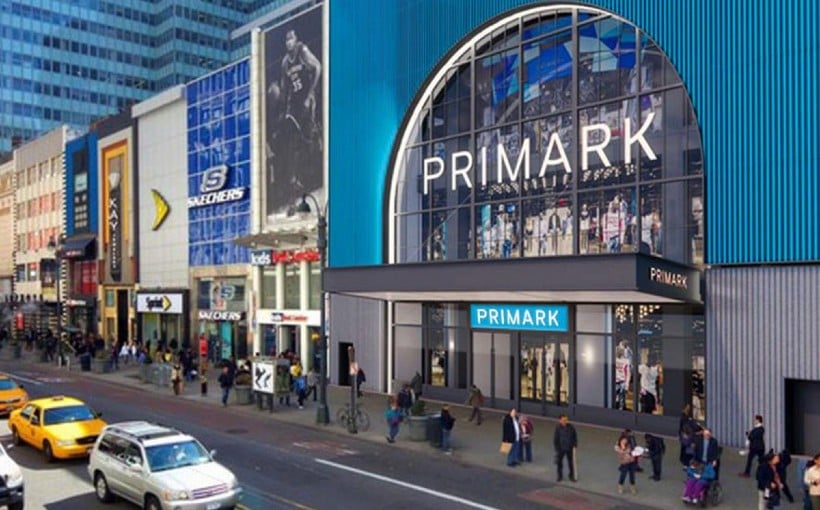
The evolving tenant base is also illustrated by new market entrants. In April, apparel retailer Primark announced plans to open its first Manhattan store in Herald Square, a move that places the brand within one of the borough’s highest-profile retail districts. That planned opening underscores how international concepts continue to view Manhattan as a strategic platform for brand visibility and customer engagement, even as they help drive leasing momentum beyond the traditional core corridors.