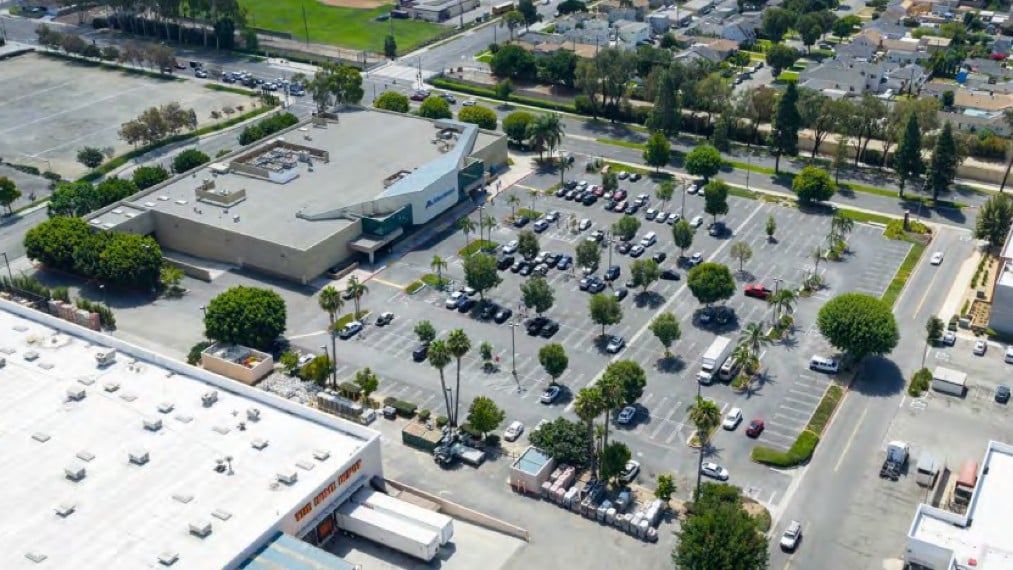
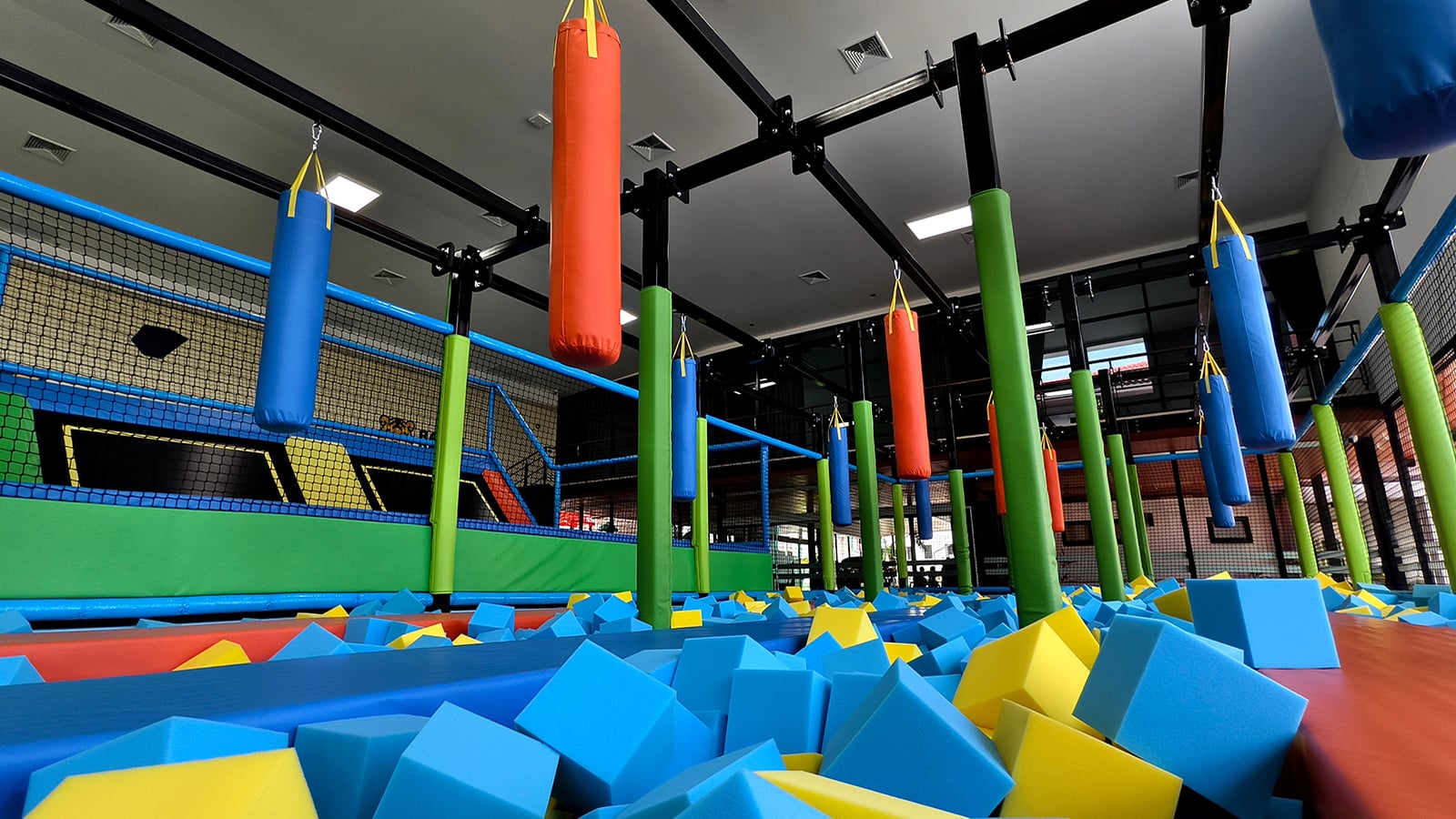
A former trade center along Interstate 635 in Farmers Branch, TX, is now emblematic of how family-oriented entertainment is reshaping retail real estate. The 50-year-old, 160,000-square-foot building in the Dallas suburb has been repositioned from its prior trade center use into an 11 MAX Indoor Fun Park, with a roller skating rink slated to join the lineup.
Larry Robbins, vice president at Capstone Commercial and owner representative for the property, told the Texas Jewish Post that the concept aligns with current household budget pressures as travel costs climb. Instead of spending heavily on destination vacations, more families are opting for local venues that offer shared experiences at a lower price point.
According to a recent JLL report on location-based entertainment, this Dallas-area example mirrors a broader national movement. Operators are increasingly taking space in formerly vacant or obsolete buildings, using entertainment-focused concepts to backfill dark boxes and re-energize retail corridors.
The report notes a clear bifurcation in U.S. consumer behavior. Higher-income households continue to spend on premium experiences and dining, while more cost-conscious families are re-evaluating big-ticket trips. The analysis cites an April 2026 NerdWallet estimate that three days at Disney World for a family of four runs approximately $2,783 before airfare or car rental, underscoring the cost hurdle for many households.
By contrast, JLL estimates that the same family can access local entertainment centers for about $35 per person for an afternoon. While those venues do not offer marquee theme park icons, they typically provide attractions such as trampolines, climbing walls, rope courses and party rooms, delivering a social experience that fits tighter budgets.
Measured by activity, the sector is gaining traction. JLL reports that foot traffic across 20 tracked entertainment concepts reached 217 million visits in 2025, about 12% above 2019 levels, with average dwell times of 140 minutes per visit. That combination of rising visitation and lengthy stays is drawing heightened interest from retail landlords.
Within the broader category, family-focused “kid zone” concepts like trampoline parks account for 1,355 operating U.S. locations and another 355 in the pipeline. JLL says these venues represent 61% of all planned entertainment square footage and 10 million square feet of announced space.
The report also highlights growth in competitive socializing formats. Game show-style concepts such as Game Show Battle Rooms, Game Show Studio and The Cube are expanding into previously vacant retail space. Meanwhile, escape and challenge rooms, while not new, have seen category growth accelerate by 247% since 2023.
JLL concludes that location-based entertainment is becoming a durable component of retail real estate as families continue to seek shared, local, cost-conscious activities. The firm expects premium experiences to concentrate in productive malls and central business districts, while large vacant boxes, including former theaters and department stores, increasingly convert to entertainment uses, further anchoring shopping centers with experiential traffic drivers.