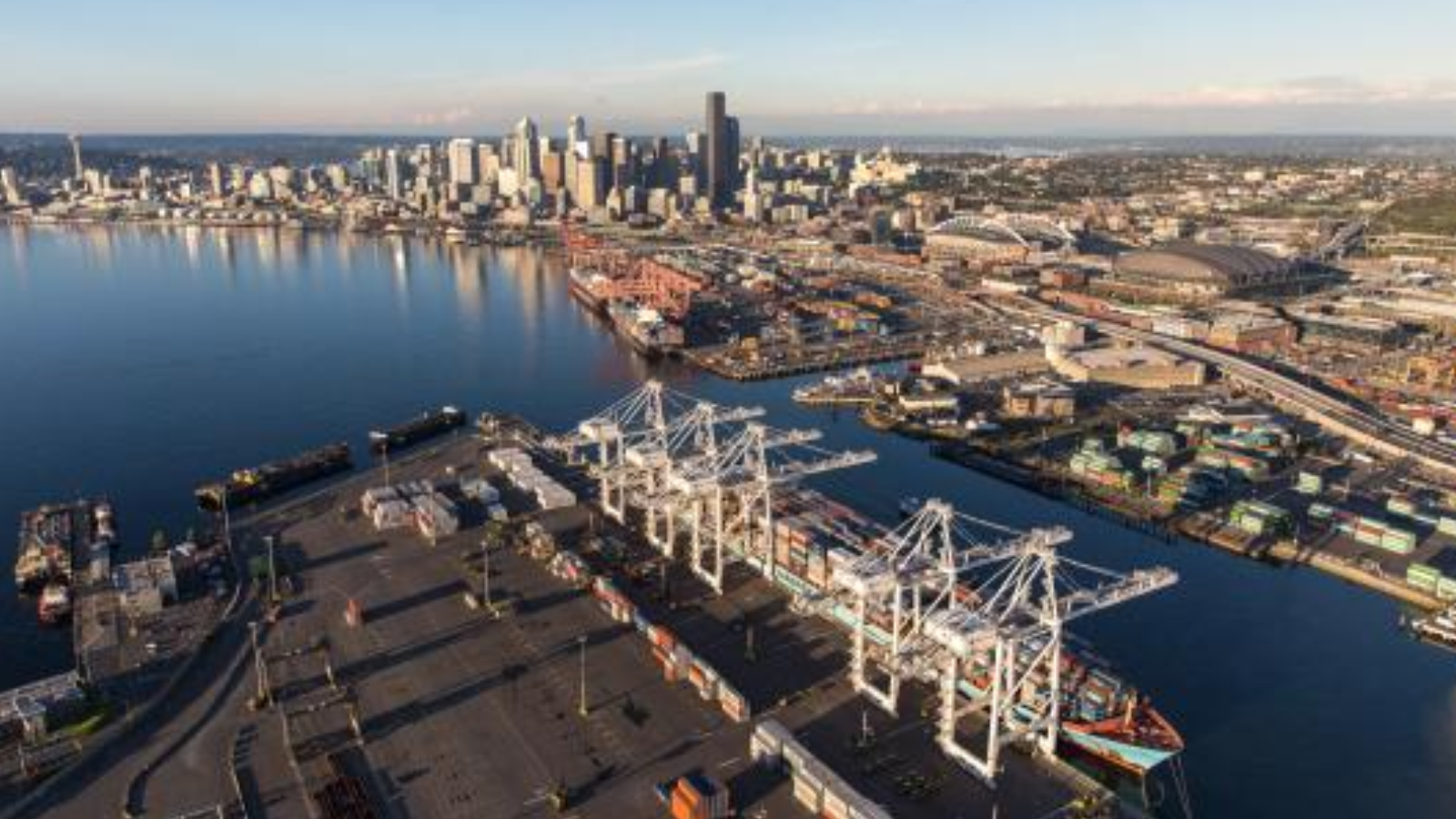
Industrial fundamentals in the Seattle-Tacoma area remain resilient despite ongoing uncertainty in global trade, according to a recent report from Marcus & Millichap. The region continues to be shaped by shifting Asia-linked trade patterns and tariff-related questions that affect West Coast port and logistics activity, yet the industrial sector is still benefitting from its role in international and regional distribution networks.
The report notes that industrial construction across the Seattle-Tacoma area has moderated following several years of elevated development. This slowdown in new project starts is helping to ease potential future supply-side pressure, creating a more balanced environment between new space deliveries and tenant demand. By curbing the pace of speculative development, the market may be better positioned to absorb existing and planned inventory over time.
Marcus & Millichap highlights that demand remains concentrated in logistics, warehouse and port-oriented industrial facilities that are closely tied to both regional and international trade flows. Users with supply chain needs are gravitating toward locations that can provide efficient access to port infrastructure and transportation corridors, reflecting the area’s ongoing importance as a Pacific Rim gateway. Tenant decision-making is still being influenced by global trade developments, yet the underlying need for well-located industrial space continues to support occupancy.
Investor interest is also focused on industrial assets with strong transportation connectivity. Properties situated near major port facilities and interstate distribution routes are drawing attention from capital seeking to align with durable trade and logistics demand. According to the report, Seattle-Tacoma’s combination of port access, infrastructure and regional economic significance underpins long-term investment appeal for industrial real estate, even as market participants navigate evolving trade conditions.
Commentary from Marcus & Millichap’s Joel Deis underscores the view that the Seattle-Tacoma industrial market retains a strategic position in Pacific Rim trade. Deis notes that the region’s infrastructure and port connectivity continue to provide a foundation for both current operations and future investment, suggesting that the market’s role in distribution networks remains a key driver of industrial performance in the area.