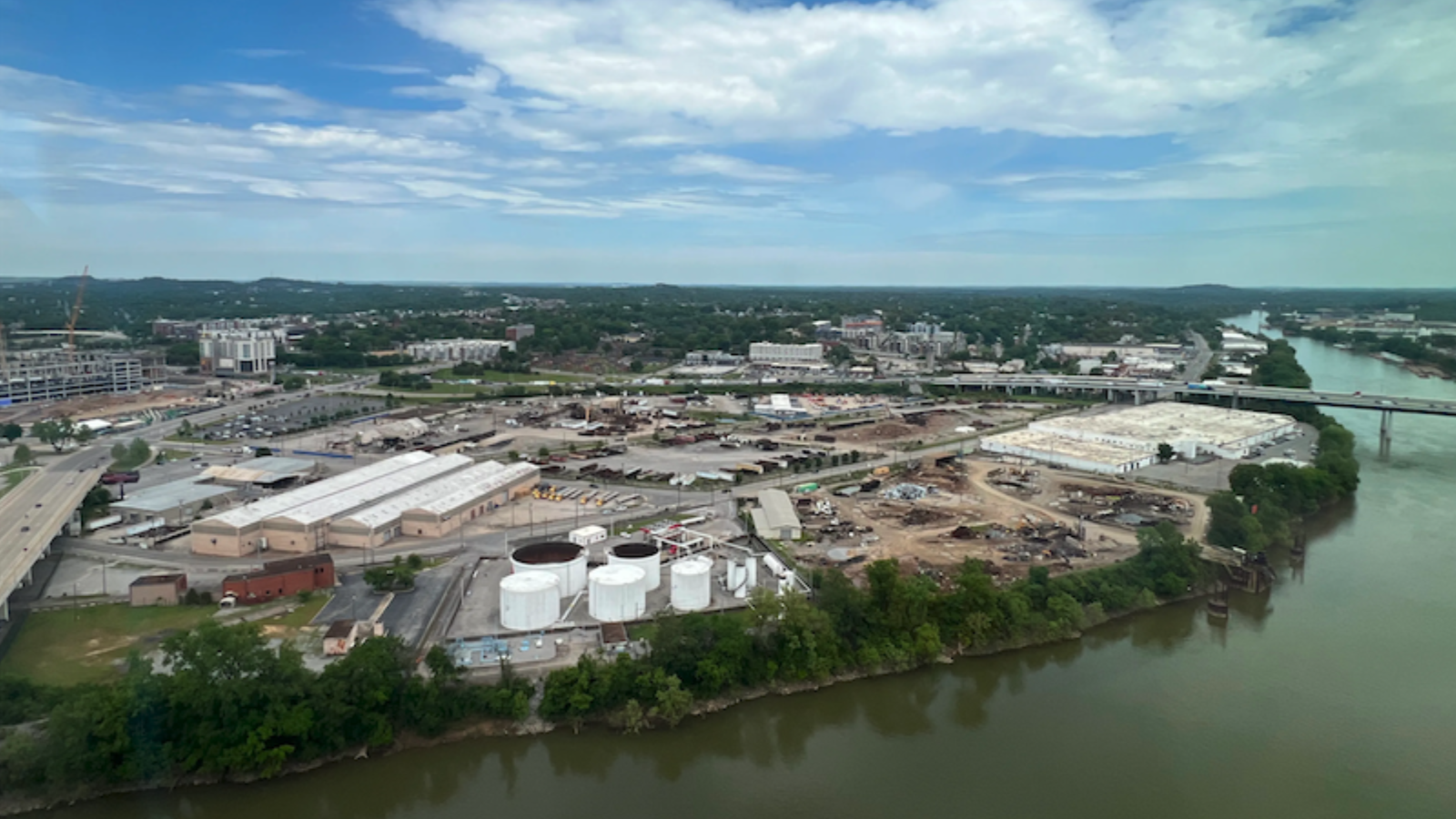
A former railyard in Nashville is moving toward a dramatic new chapter, with city leaders approving plans for a large-scale mixed-use district to be known as The East Bend. The site encompasses more than 47 acres that now carry entitlements for a wide range of commercial and residential uses, as well as associated infrastructure and public improvements.
Local officials view The East Bend as a potential national outlier in terms of size and economic impact. They believe the project could rank among the largest urban mixed-use redevelopments in U.S. history when measured by overall square footage, construction cost base, and its knock-on effects for jobs and spending. In that context, the vision for the district is being compared to high-profile projects such as Hudson Yards.
Concept plans indicate substantial program density across multiple property types. Early projections suggest the district could accommodate up to 12 hotels, positioning hospitality as a major component of the overall mix. Residential development is expected to be significant as well, with more than 7,000 housing units envisioned across the site. On the commercial side, at least 2 million square feet of office and medical office space is anticipated, alongside a diverse lineup of entertainment and retail uses.
The retail plan for The East Bend calls for hundreds of thousands of square feet dedicated to anchor tenants, food-and-beverage concepts, and locally focused storefronts. Family-oriented entertainment venues are also contemplated, reinforcing the district’s role as both a neighborhood and a regional destination. The combination of hotels, housing, office, medical, entertainment, and street-level retail is designed to support activity throughout the day, week, and year.
Location is central to the development thesis. The site sits just one block south of the new 60,000-seat Nissan Stadium that is scheduled to open in 2027, positioning The East Bend to capture event-driven demand from visitors and residents. It is also one block east of the planned Tennessee Performing Arts Center, which is advancing toward construction, further strengthening the district’s cultural and entertainment adjacency.
In addition, the property lies directly across the Cumberland River, tying the project into the broader urban fabric of Nashville’s core. City leaders frame The East Bend as being at the center of the metro’s next phase of growth, with the combination of entitlements, infrastructure planning, and nearby large-scale public venues expected to shape future development patterns in the surrounding area.
While detailed phasing, investment totals, and delivery timelines have not been disclosed, the approvals and entitlements now in place establish a framework for long-term build-out. For the commercial real estate market, the scale and diversity of uses contemplated at The East Bend underscore both the expansion of Nashville’s urban footprint and the importance of mixed-use planning around major civic and entertainment anchors.