Cushman & Wakefield is highlighting a widening performance gap within Downtown Manhattan’s office market, as demand increasingly concentrates in the top end of the quality spectrum. The firm’s latest analysis points to a market in which highly amenitized, top-tier office properties are securing the bulk of tenant interest, while lower-tier buildings face mounting challenges.
Since 2020, 73% of all leasing activity in Downtown Manhattan has taken place in Class A properties, according to the report. By contrast, Class B and lower-tier assets have seen demand erode, with owners contending with longer marketing timelines and fewer tours as tenants favor higher-quality space. This pattern underscores how tenant preferences are reshaping competition among office buildings within the same urban core.
The divergence is evident in pricing as well as activity. Cushman & Wakefield reports that, as of the first quarter of 2026, Class A office space in Downtown Manhattan commanded a 25.5% rent premium over comparable Class B space. That premium represents an increase of more than 11 percentage points in the asking rent gap between the two asset classes since mid-2024, indicating that the spread has been accelerating rather than stabilizing.
Maddie Askeland, a data specialist at Cushman & Wakefield, describes Downtown’s office landscape as increasingly bifurcated. She notes that the highest-quality buildings are capturing both the majority of leasing demand and meaningful pricing power. Askeland adds that the separation is no longer driven solely by differences in building quality or amenity offerings; it is now clearly reflected in the widening rent gap between Class A and lower-tier product, a trend the firm expects to continue through the remainder of the year.
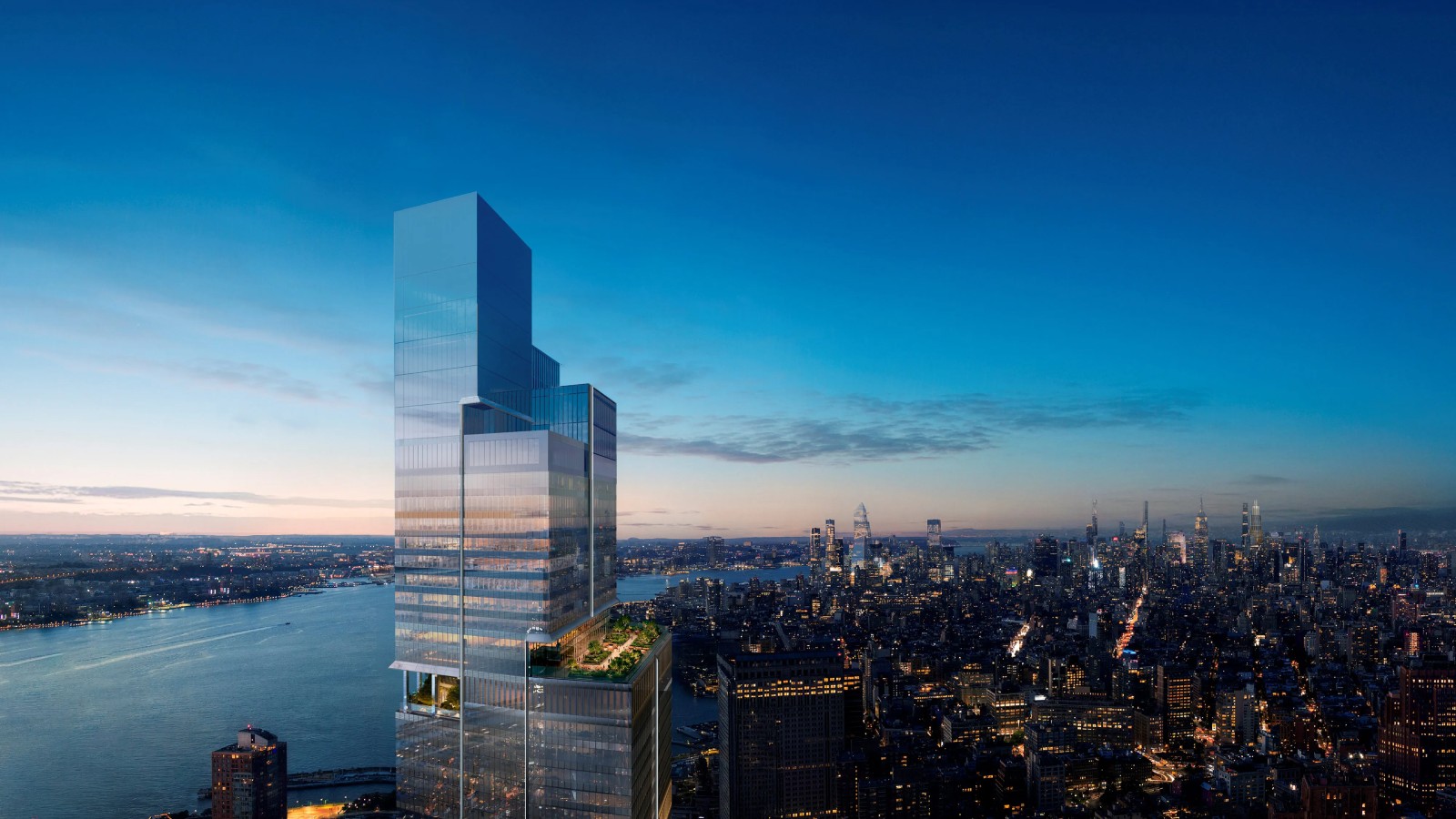
The report’s findings suggest that the distinction between asset classes in Downtown Manhattan is hardening, with Class A properties strengthening their competitive position while Class B and lower-tier buildings face slower velocity and reduced tenant interest. The narrative is illustrated by new Class A product in the pipeline, including the future 2 World Trade Center, which is slated to be occupied by American Express. A rendering of the planned tower, credited to Foster + Partners, is featured alongside the analysis as an example of next-generation office space in the submarket.
Taken together, the data indicates that landlords of Class A assets in Downtown Manhattan are benefiting from both stronger leasing momentum and expanding rent spreads, while owners of older or less amenitized buildings confront a more challenging environment. The evolving gap in performance and pricing between these segments underscores how tenant preferences and quality differentiation are reshaping outcomes within the same office district.