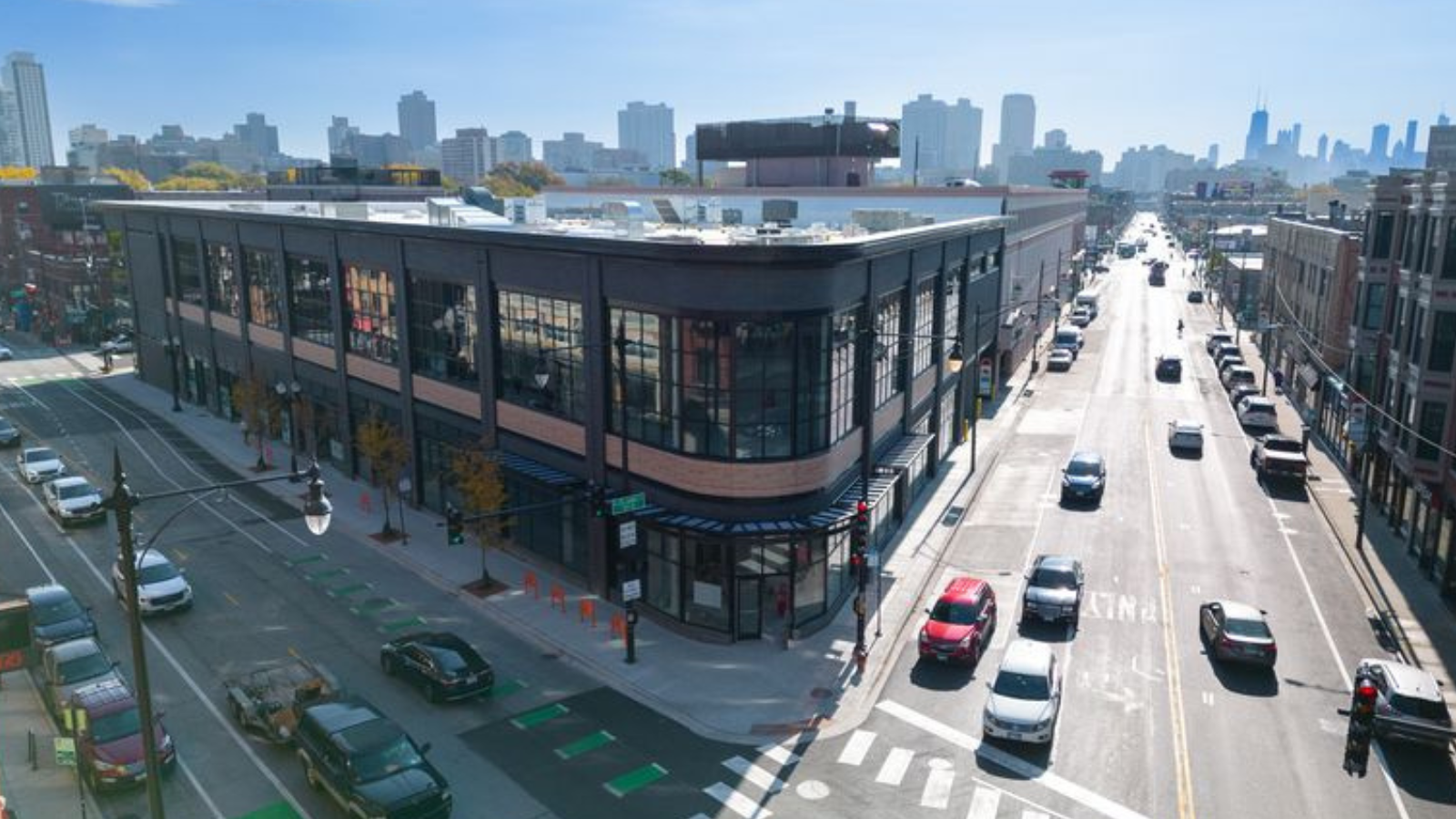
Hubbard Street Group has secured a lease with Whole Foods Market for a new location in Chicago’s East Lakeview neighborhood. The store is planned for a corner site at the intersection of Halsted Street and Belmont Avenue, a well-known crossroads in the area. The lease brings a national grocer into a dense residential and retail district and is described by the firm as an important milestone for the overall project.
The East Lakeview development is a multi-tenant retail initiative that already includes VCA Blum Animal Hospital and Fifth Third Bank. With Whole Foods Market committing to the site, the tenant mix now spans grocery, financial services, and veterinary care, reinforcing the project’s focus on daily-needs and service-oriented uses. According to Hubbard Street Group, the addition of Whole Foods is expected to bolster the local retail fabric and provide a new grocery option for neighborhood residents.
Hubbard Street Group characterized the lease as a reflection of the underlying strength of East Lakeview, noting the neighborhood’s vibrancy and high population density. The firm highlighted that securing Whole Foods Market aligns with its strategy of pursuing community-focused retail projects that respond to how nearby residents live, shop, and access services.
Graham Palmer, managing partner at Hubbard Street Group, said the company looks forward to bringing Whole Foods Market to this key East Lakeview location and emphasized the firm’s commitment to delivering high-quality retail environments. He framed the lease as evidence that well-located urban neighborhoods continue to attract creditworthy tenants that value proximity to established residential bases.
Hubbard Street Group is a Chicago-based real estate development firm that specializes in mixed-use, residential, retail, and medical office projects across the region. While specific project metrics such as square footage, lease term, and opening timeline were not disclosed, the Whole Foods Market lease signals ongoing investment activity in East Lakeview and continued demand from national retailers for well-situated urban infill sites.