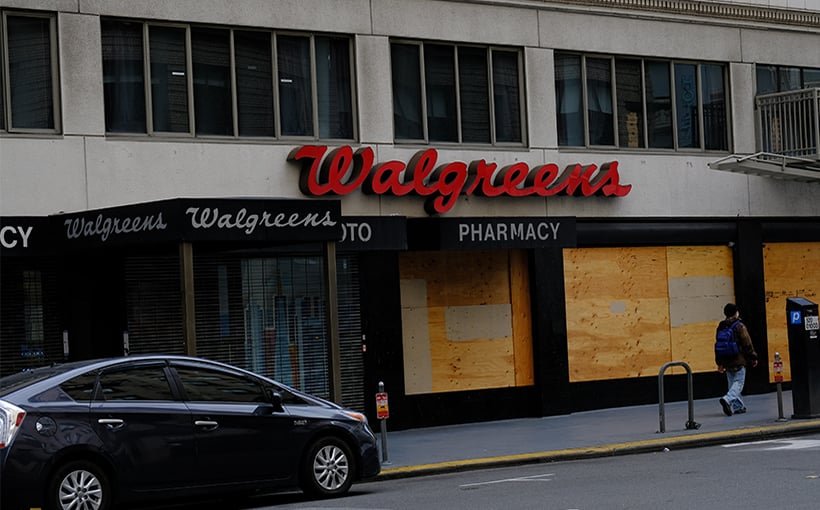
Across the U.S., national pharmacy chains such as Walgreens, CVS, and Rite Aid have been steadily pruning their store fleets since 2022, with hundreds more closures already slated for 2026. As these locations go dark, they leave behind a large inventory of freestanding retail boxes in visible, heavily trafficked locations.
According to analysis highlighted in Urban Land Magazine, this wave of closures is creating a new pool of potential opportunities for commercial real estate owners and investors. Many of the former pharmacy buildings occupy prime corners or pads in well-established retail corridors, and their simple, functional layouts make them relatively easy to re-tenant or reconfigure compared with more specialized formats.
Developers focused on smaller-format retail are finding that vacant pharmacy boxes can fit neatly into current demand patterns. These stand-alone junior boxes can support a wide range of second uses without major structural changes, which can help control upfront costs and shorten construction timelines for new occupants.
The underlying sites are often located at high-visibility intersections with strong vehicular traffic, or positioned within grocery-anchored centers that already benefit from consistent foot traffic. In those settings, former pharmacies can act as shadow anchors that reinforce an existing tenant mix, or operate as independent pads that draw their own customer base while leveraging established trade areas.
Backfilling existing buildings is emerging as one strategy to manage both cost and schedule. By reusing the shell, owners can avoid demolition expenses, speed up occupancy, and capitalize on existing infrastructure such as parking, utilities, and access points. Dollar stores, healthcare-related users, and thrift retailers are among the tenants that have already moved into some of these vacated spaces, illustrating the range of potential replacement demand.
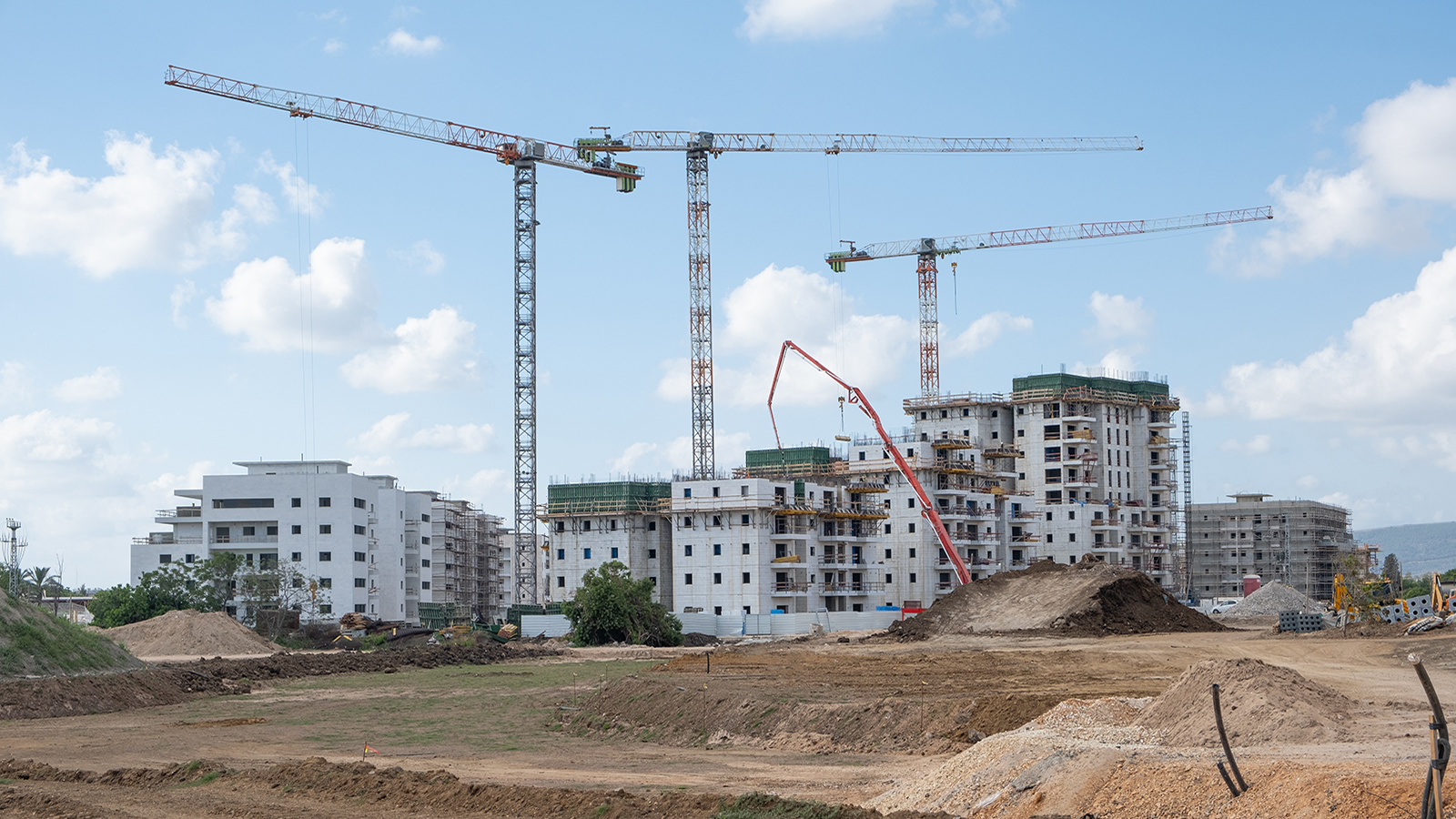
In other cases, owners may determine that the greatest value lies in the land rather than the existing improvements. When sites sit on particularly valuable corners or within dense trade areas, clearing the property and pursuing ground-up development can become the preferred option. That approach, however, brings added complexity and risk, including the need for entitlements, environmental reviews, and the possibility of extended timelines and budget overruns.
The likely outcome, as described in the Urban Land Magazine article, is a bifurcated path. In submarkets where retail supply is tight, owners are expected to favor backfilling strategies that quickly return buildings to productive use. In dense urban neighborhoods and high-value suburban intersections where land values exceed replacement costs, redevelopment is expected to be more common. In both scenarios, the conclusion is that while the era of the ubiquitous stand-alone pharmacy may be winding down, the underlying real estate is poised to move into a new chapter of use and relevance.