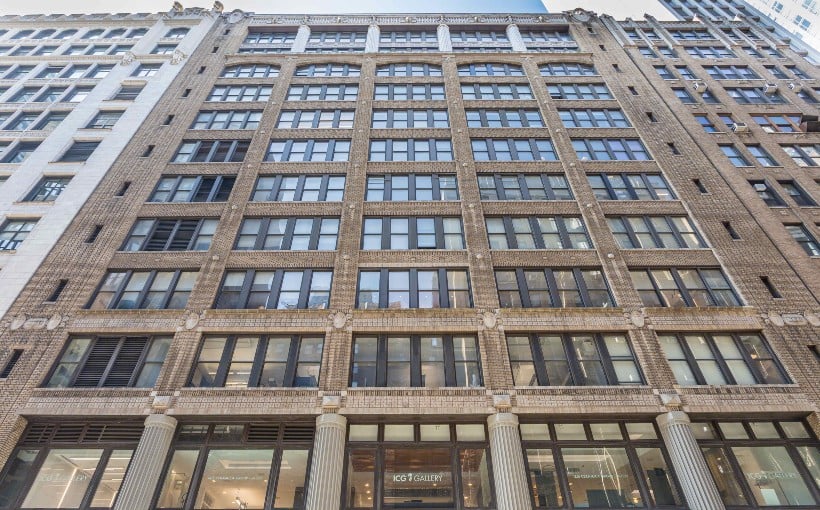
Ford Models, Inc. has committed to a new long-term office lease in Manhattan, securing a full floor at 36 E. 31st St. in the Midtown South neighborhood. The globally recognized modeling agency has signed for 11,986 rentable square feet on the building’s eighth floor, which will serve as the firm’s New York office under a term of five years and five months.
The lease gives Ford Models a full-floor presence in a Midtown South property owned by a Koeppel Rosen LLC affiliate. The agency is planning to relocate its New York operations into the space once construction is complete, consolidating its office functions on a single floor designed to accommodate its specific requirements.
Ownership is currently building out the eighth-floor premises to meet Ford Models’ program and layout needs. During this construction period, the tenant will maintain a New York office footprint within the same landlord’s portfolio by temporarily occupying space at 135 Madison Ave., another property controlled by Koeppel Rosen. This arrangement allows Ford Models to continue operating without interruption while its long-term space is prepared.
Koeppel Rosen LLC director of leasing Max Koeppel represented ownership in the transaction, overseeing lease negotiations for the landlord. On the tenant side, Ford Models was represented by Bradley Cohn and Alan Bonett of Adams & Company Real Estate, LLC, who advised the agency in securing the full-floor commitment and structuring the lease terms.
In discussing the transaction, Koeppel noted that the deal aligns with ongoing interest from established companies that are focused on securing efficient, well-located office space in Midtown South. He added that ownership views 36 E. 31st St. as a strong long-term fit for Ford Models’ New York office operations.
The lease highlights Midtown South’s continued appeal to brand-focused and creative-oriented tenants seeking dedicated floors and tailored build-outs. With Ford Models’ space under construction and temporary accommodations provided at 135 Madison Ave., both landlord and tenant have structured a transition that maintains occupancy while supporting a customized delivery of the final premises.